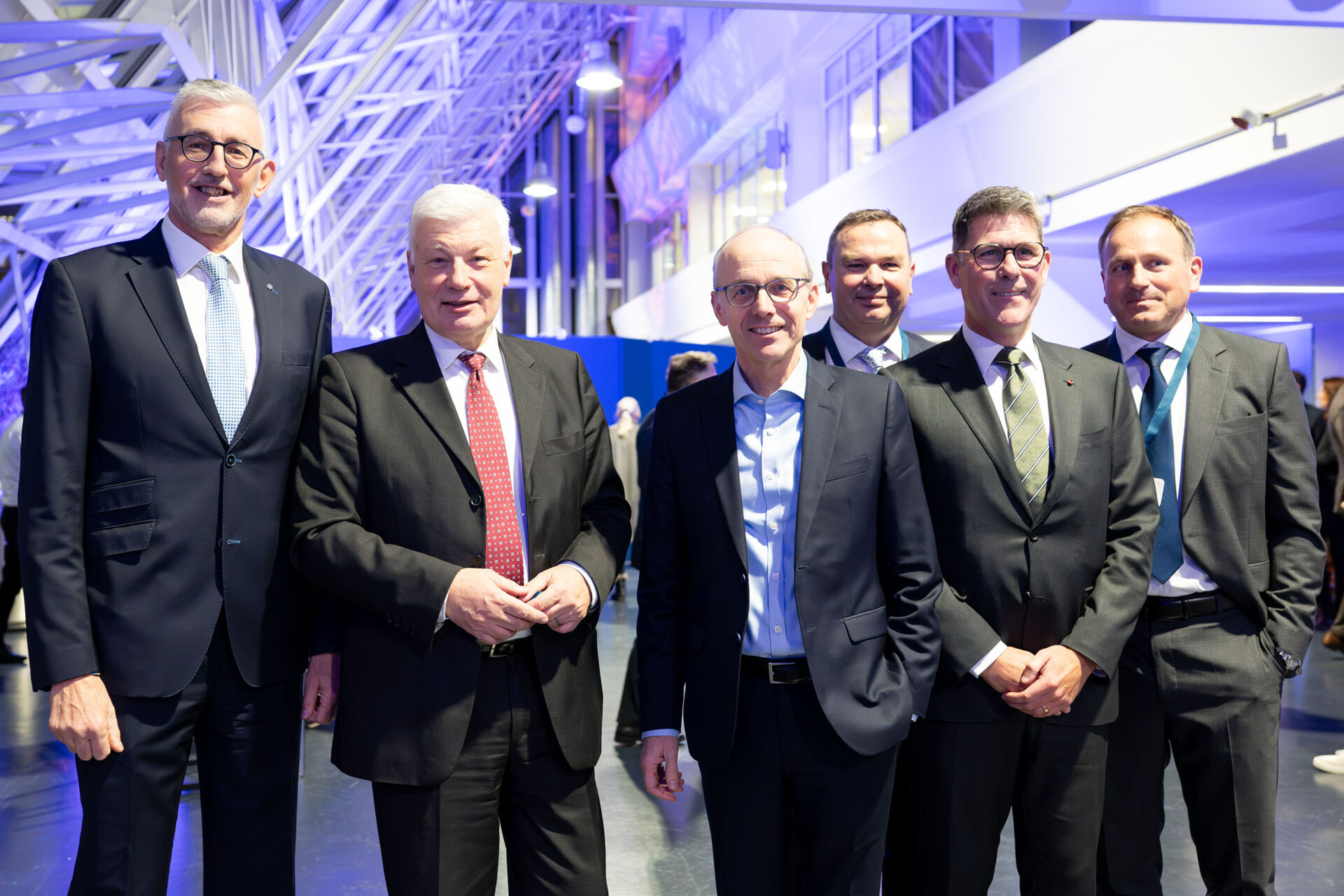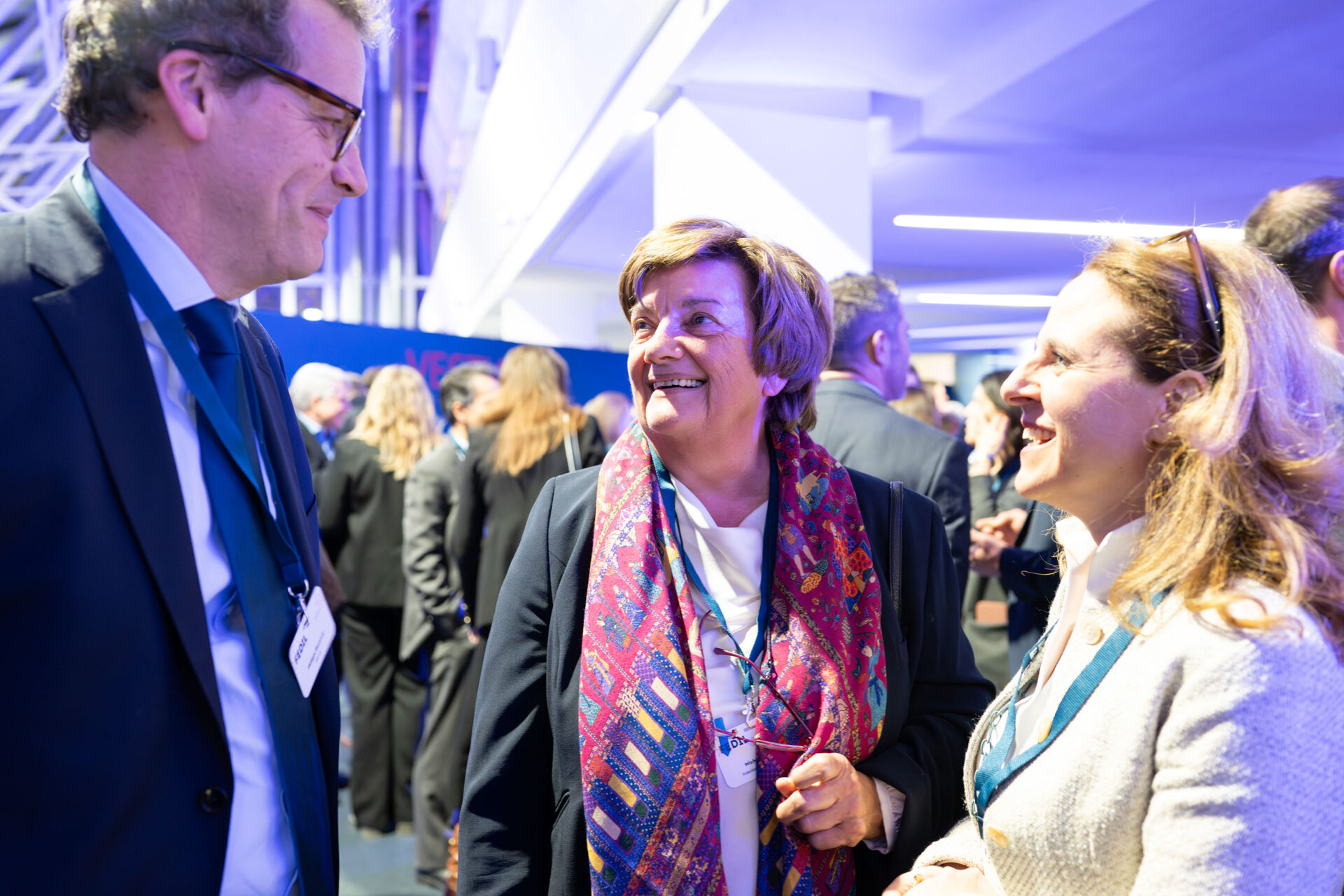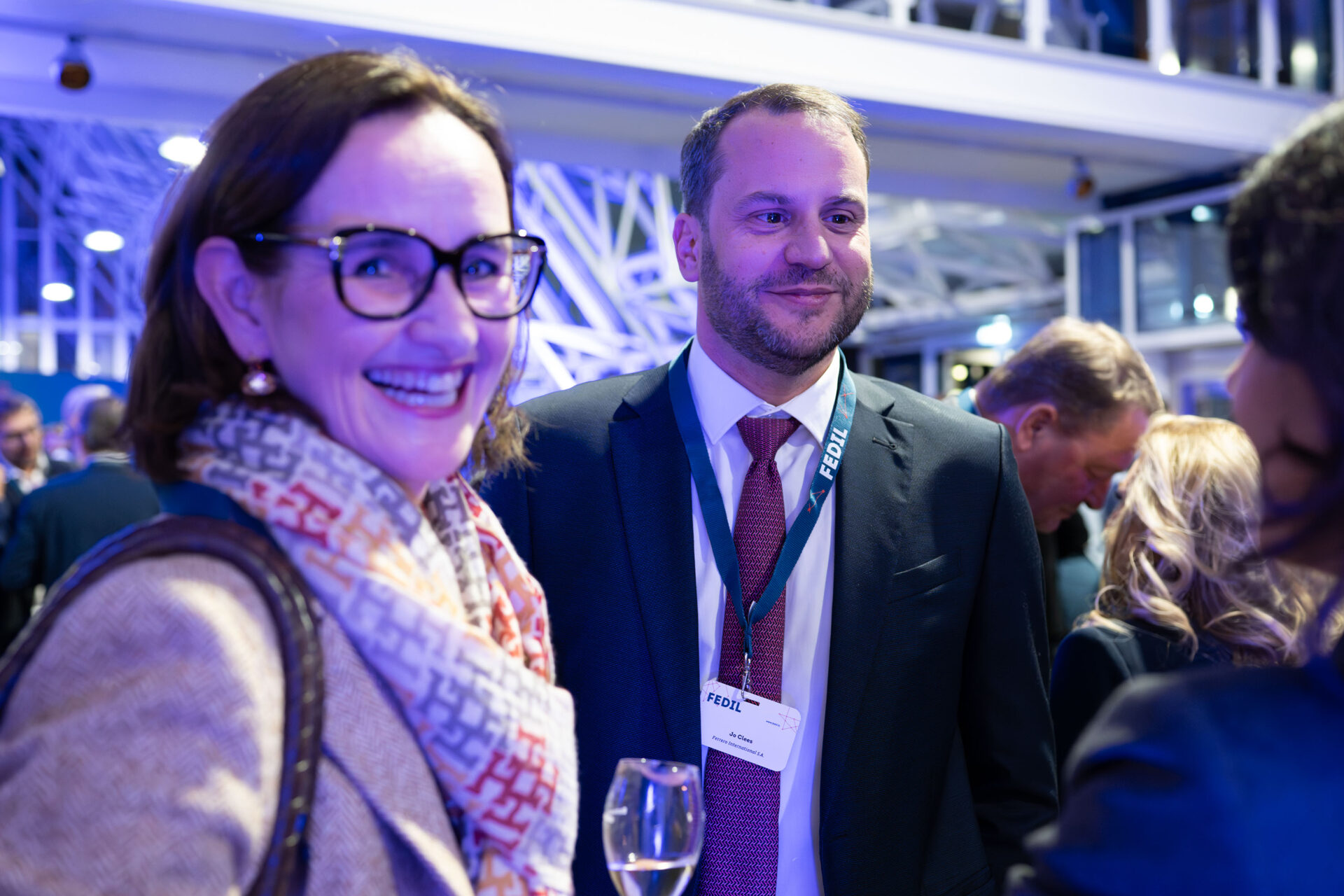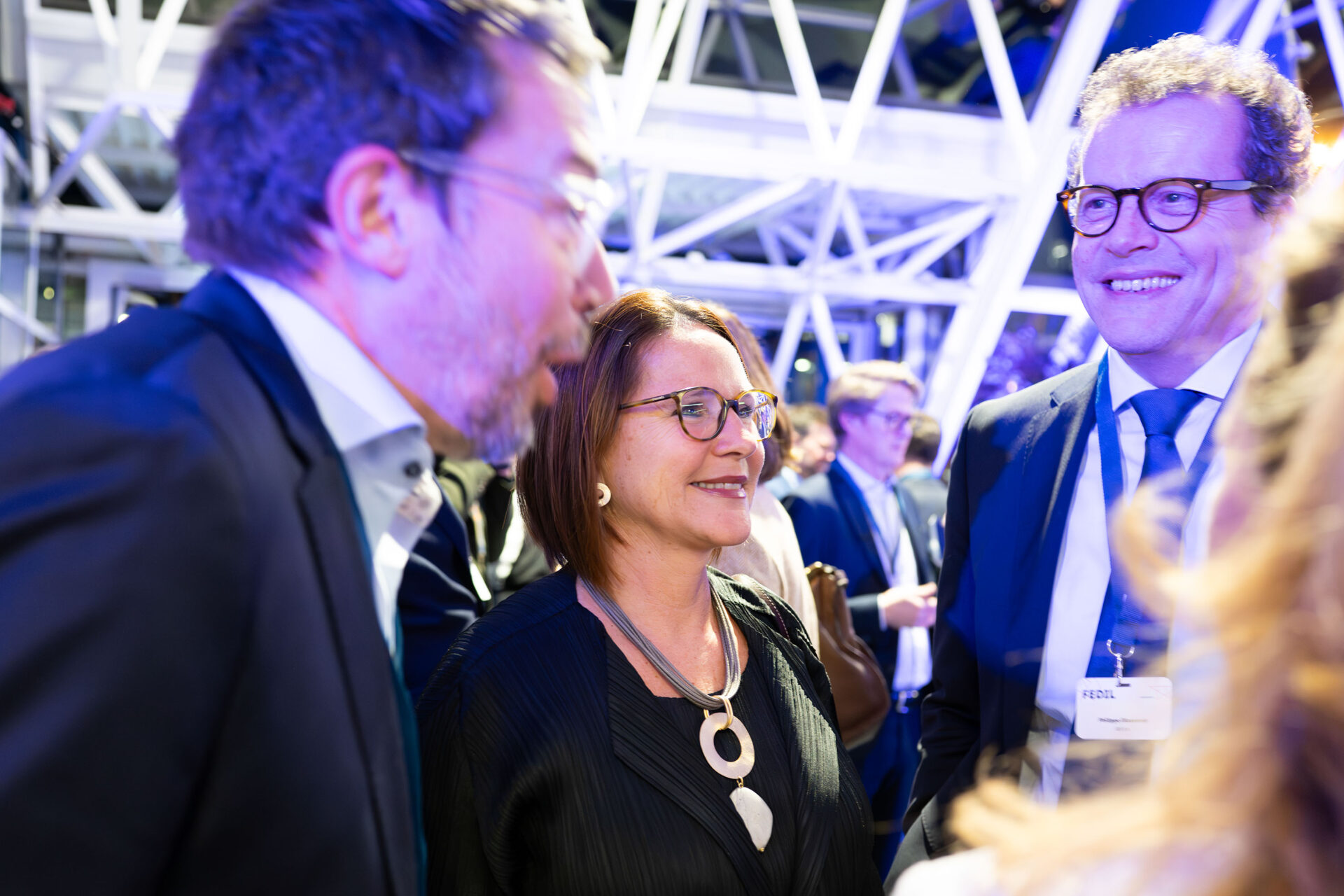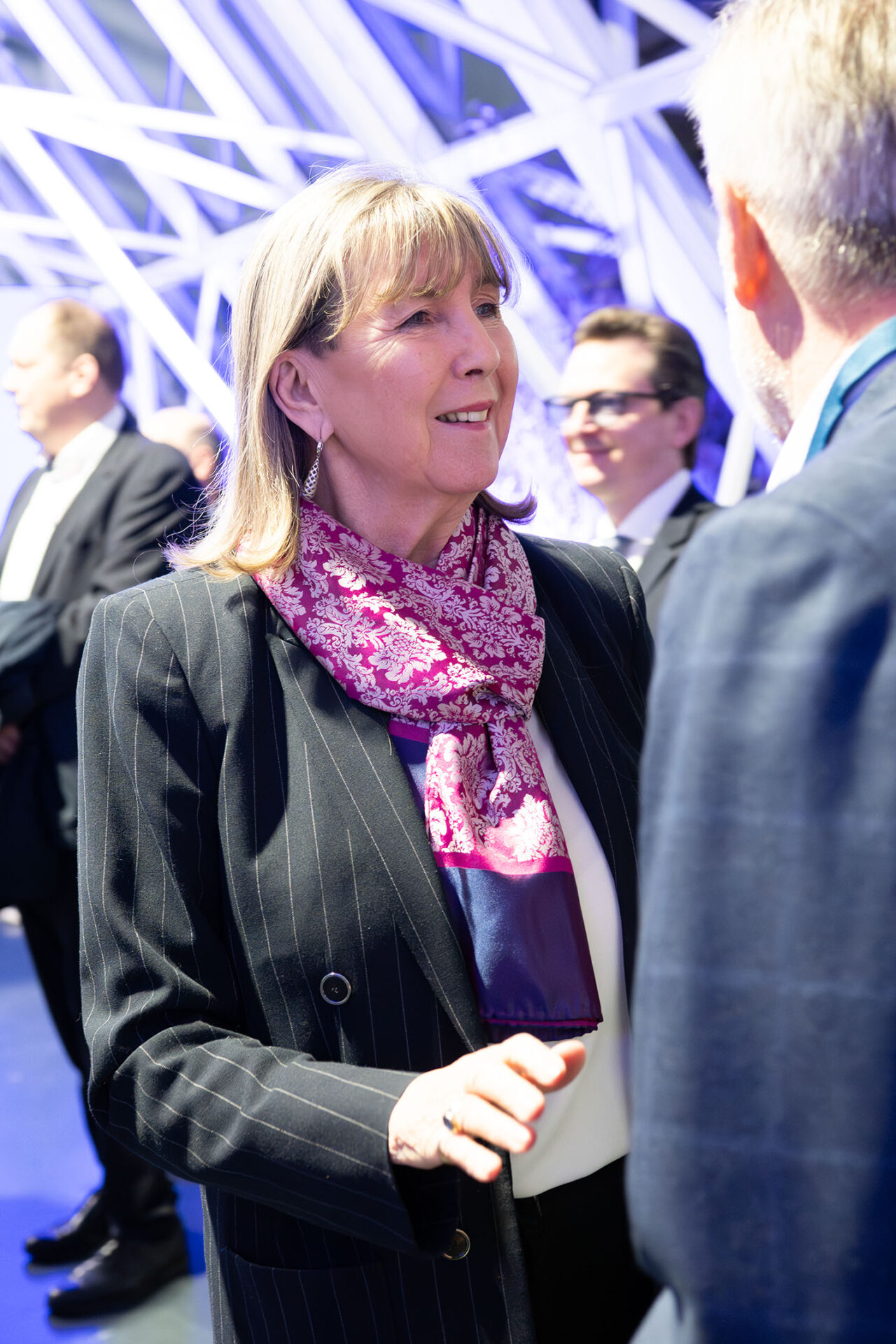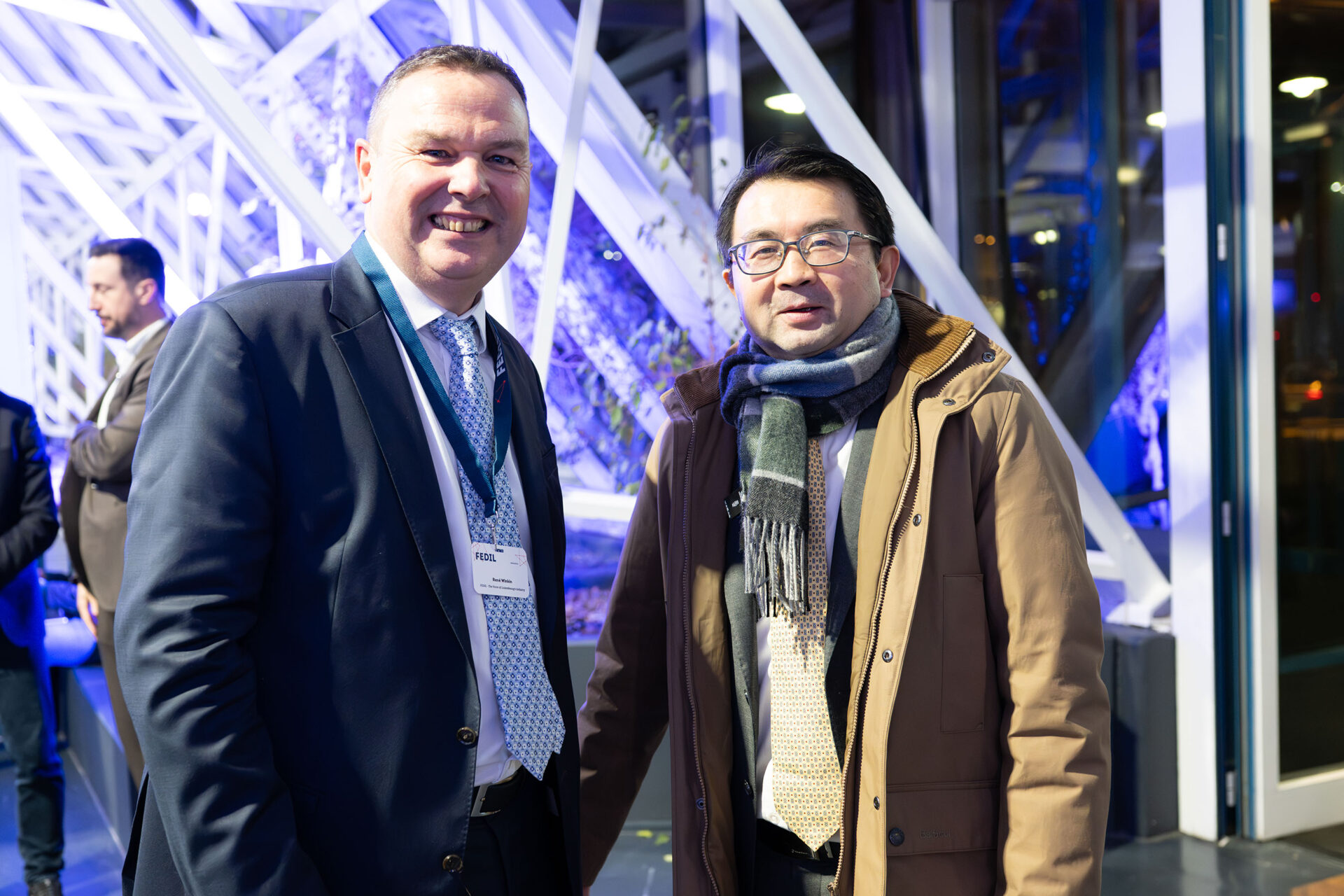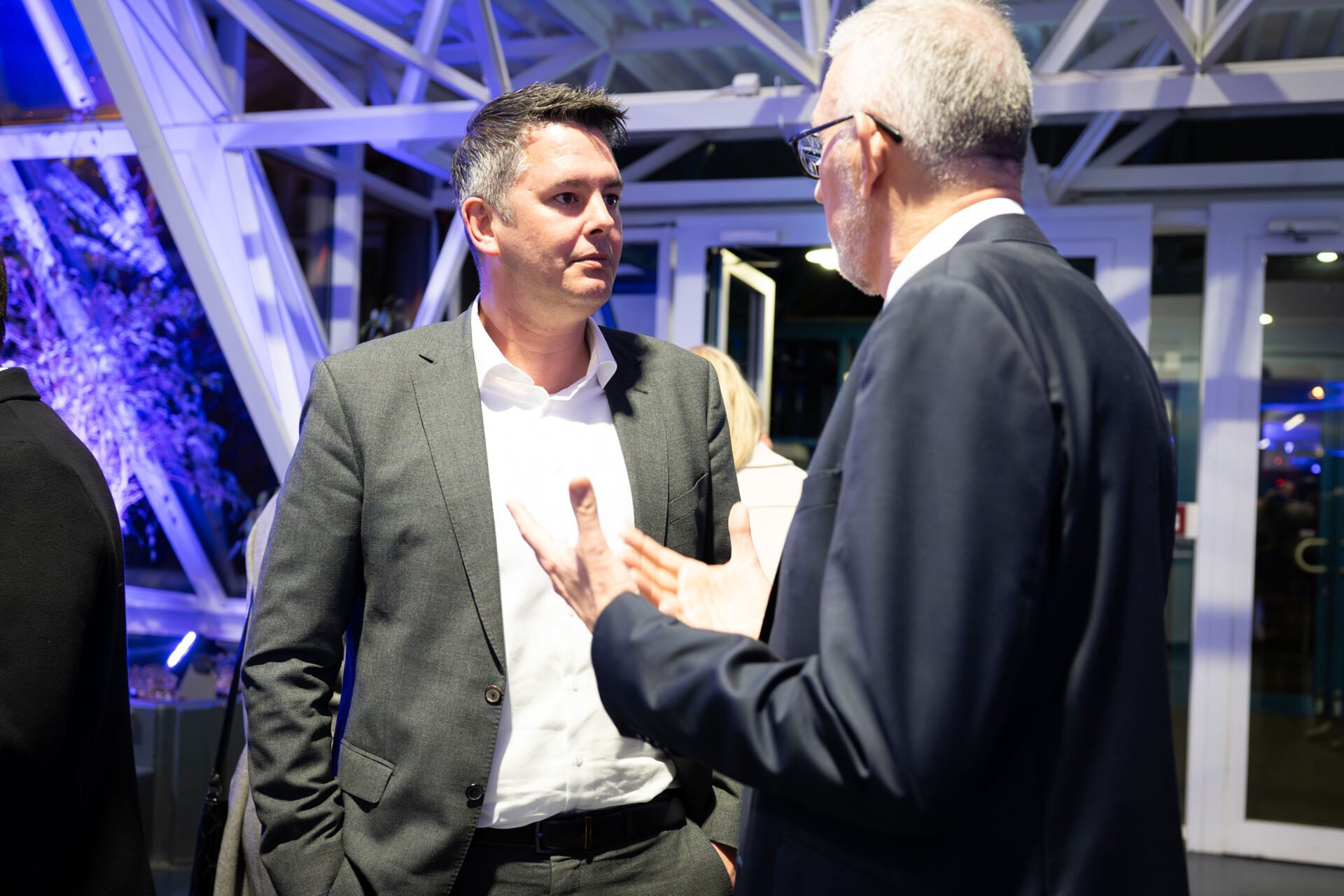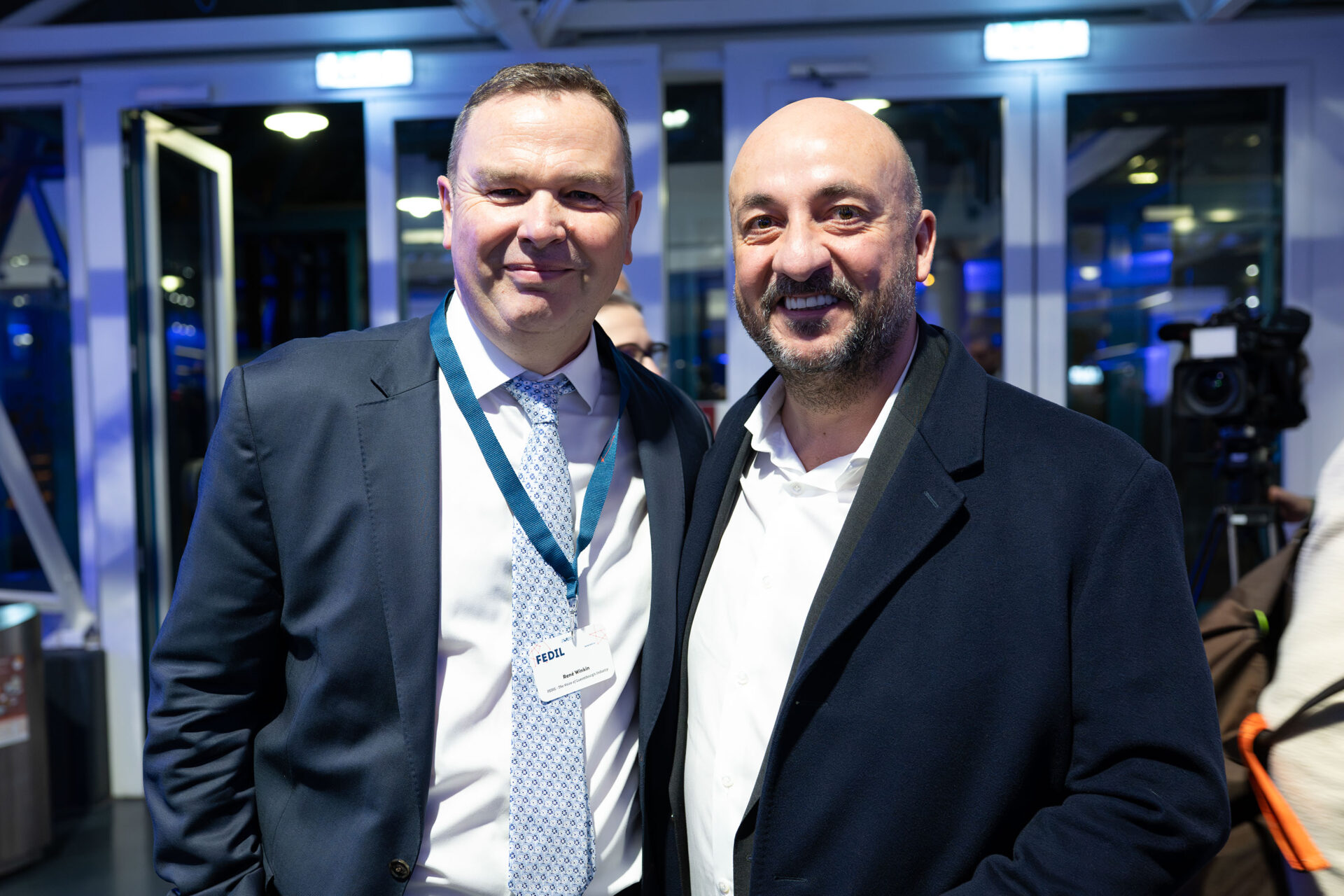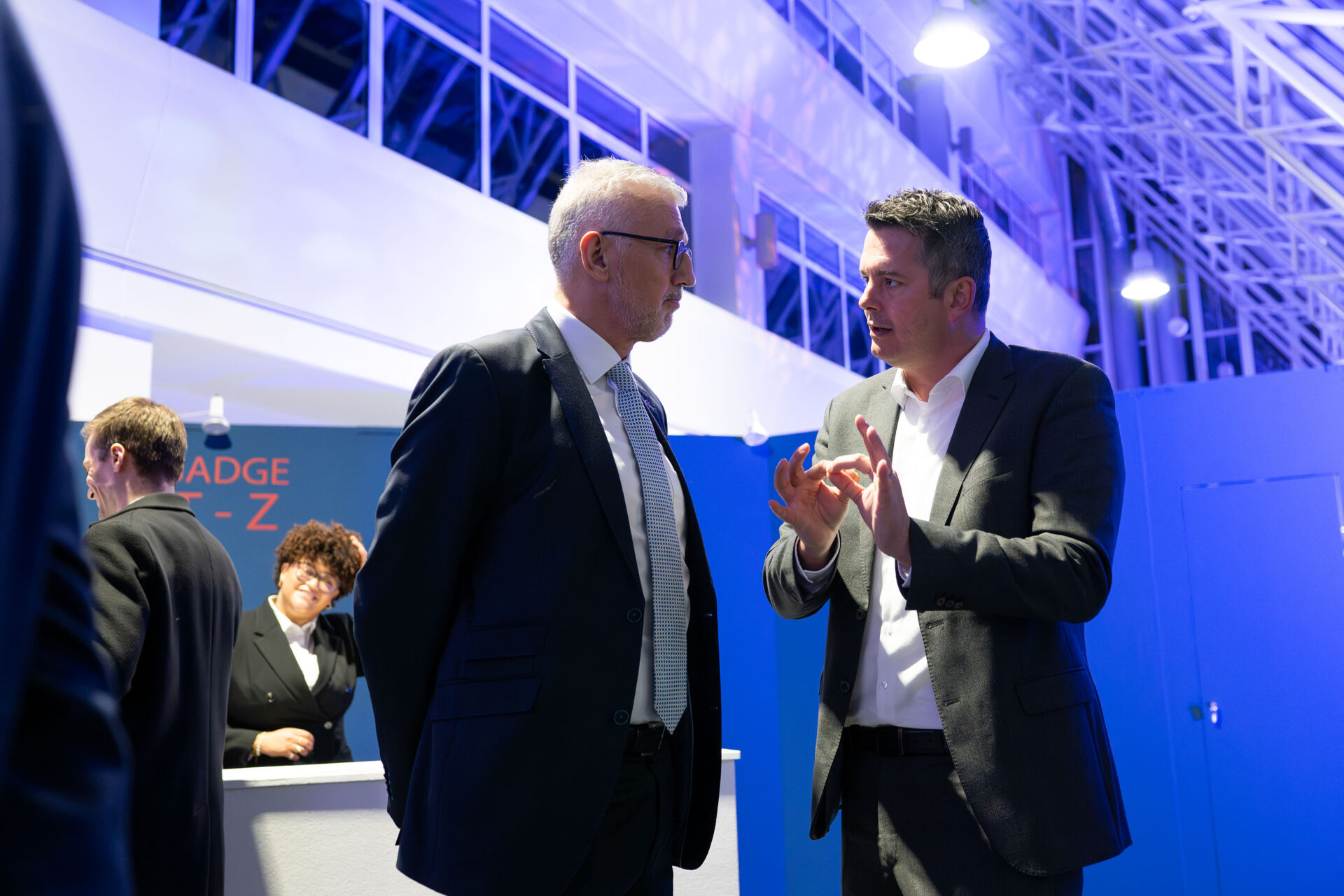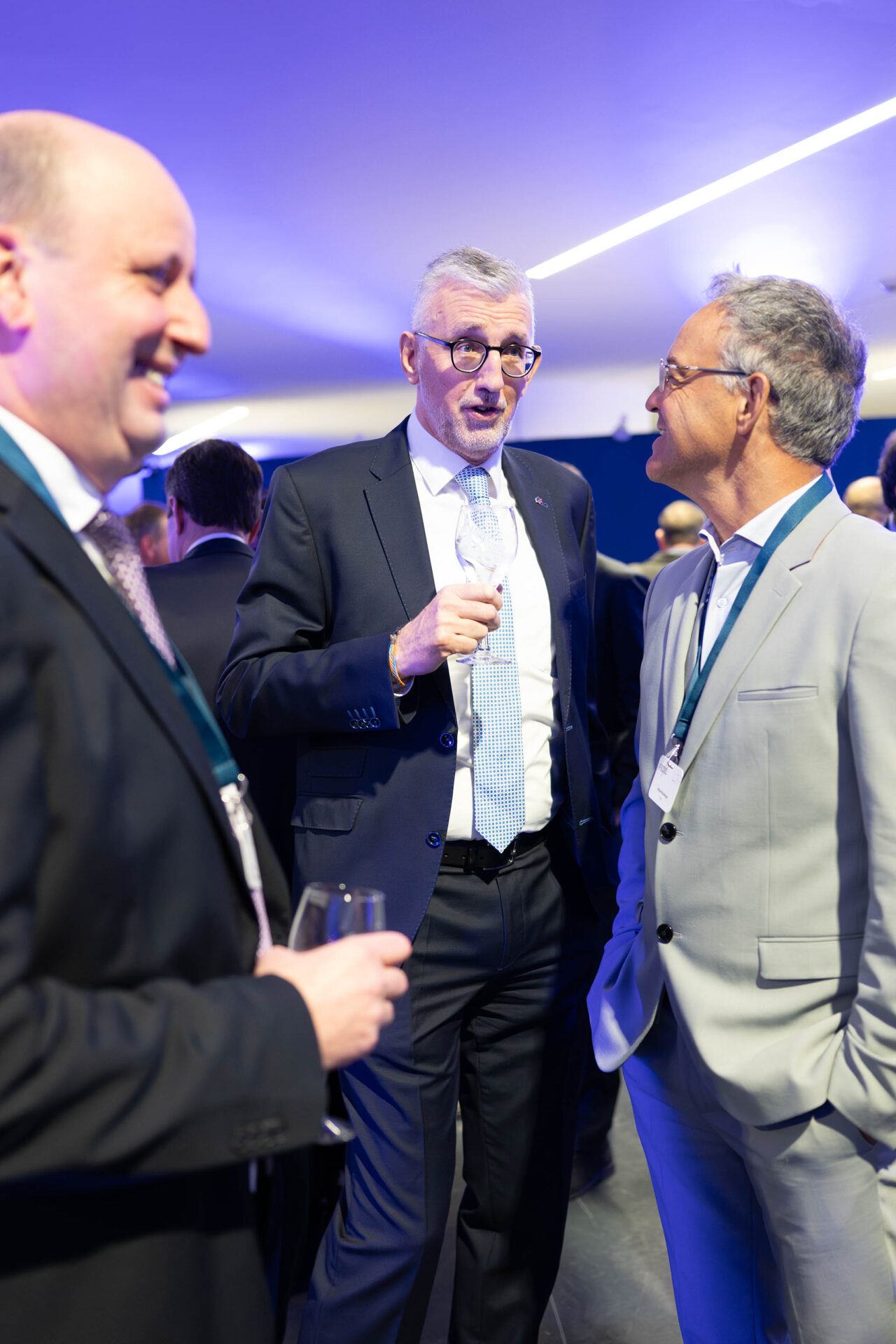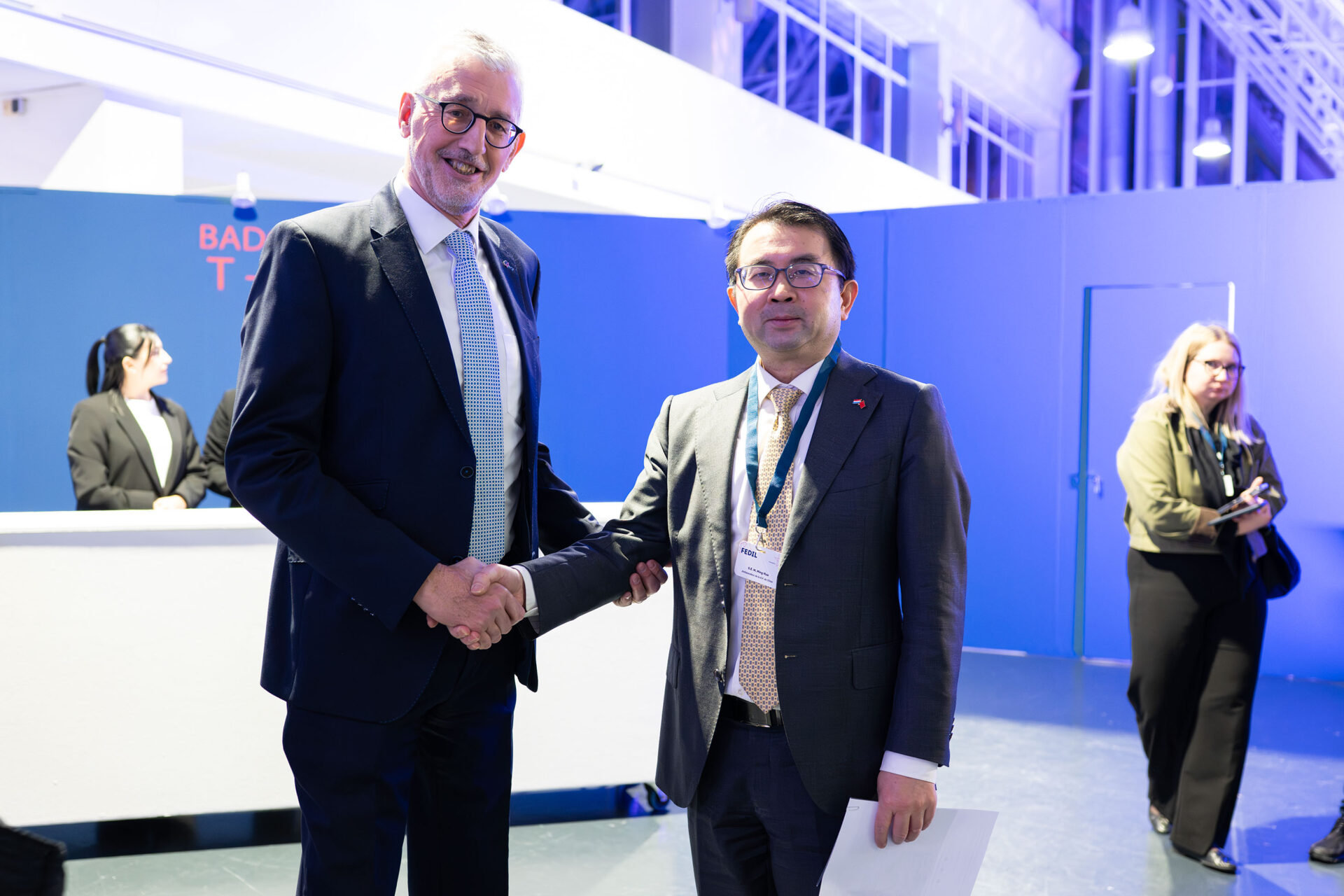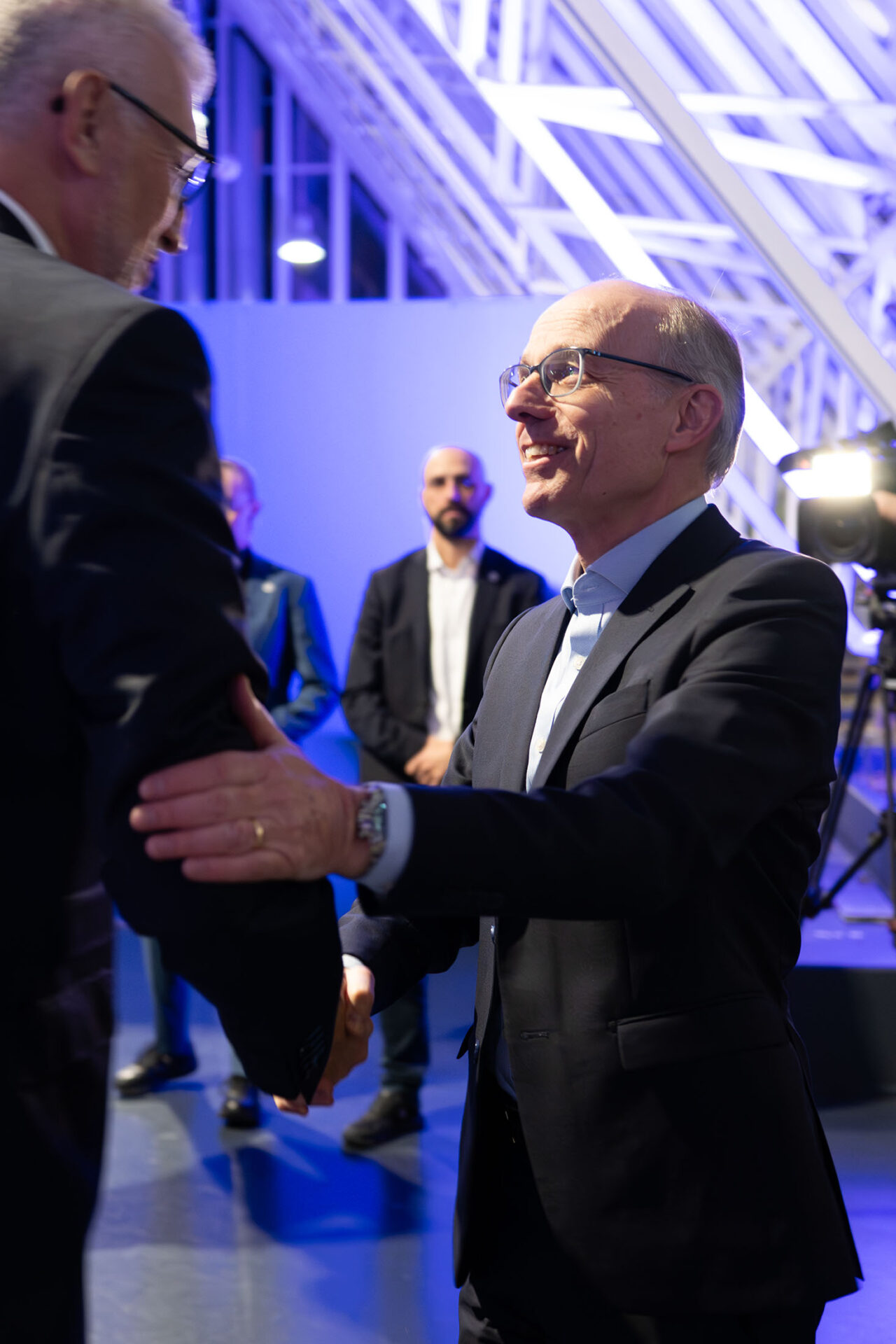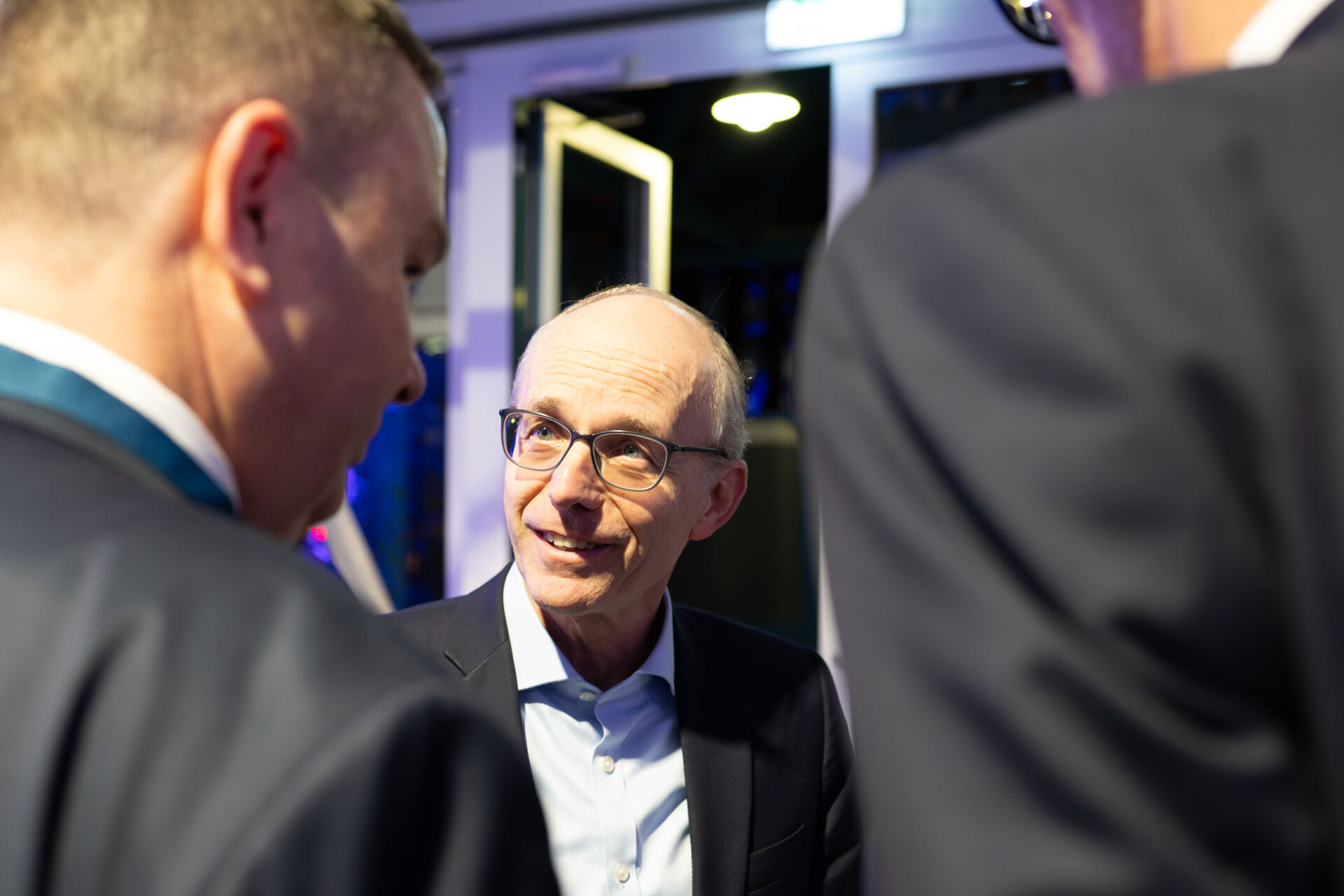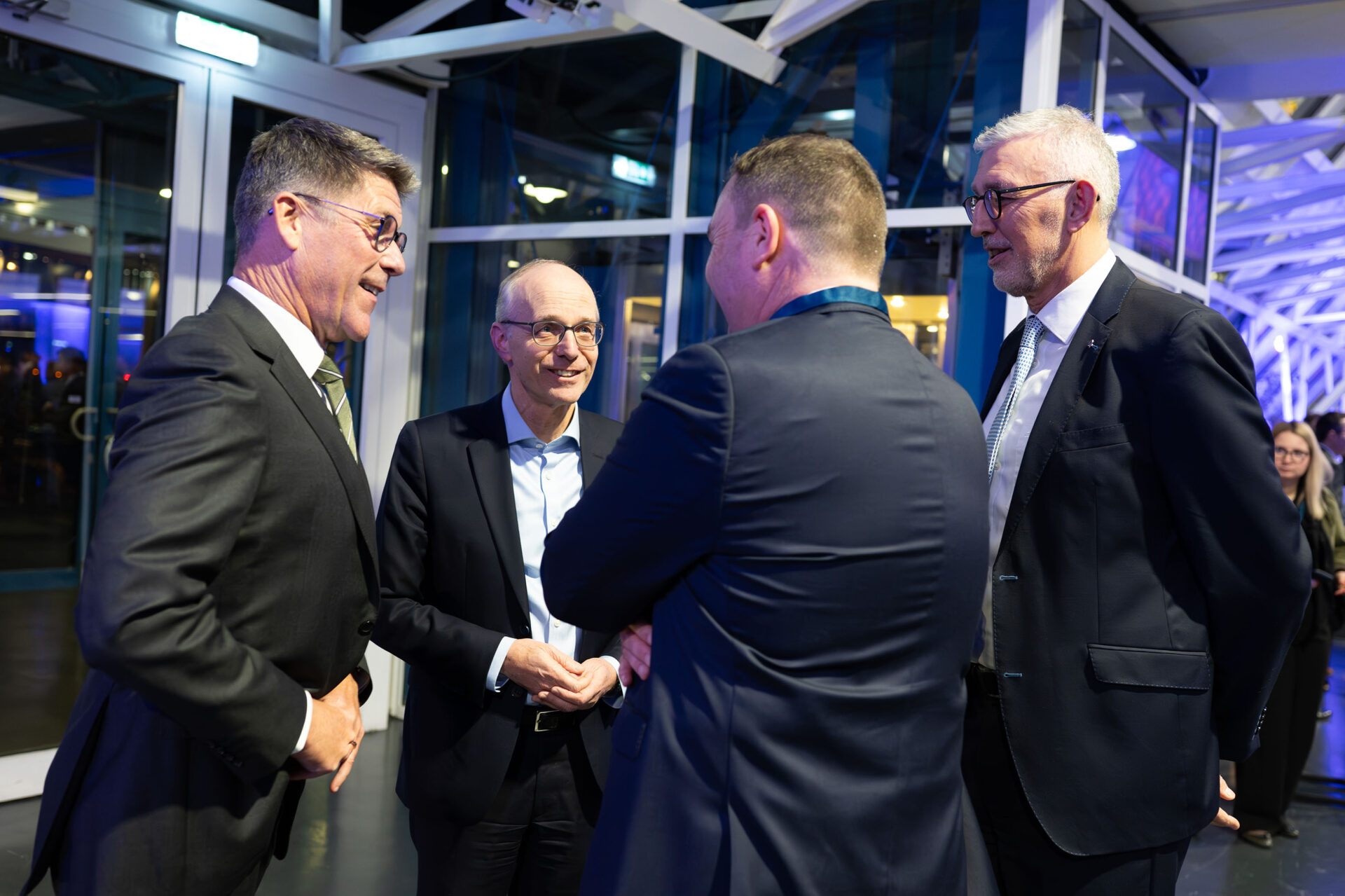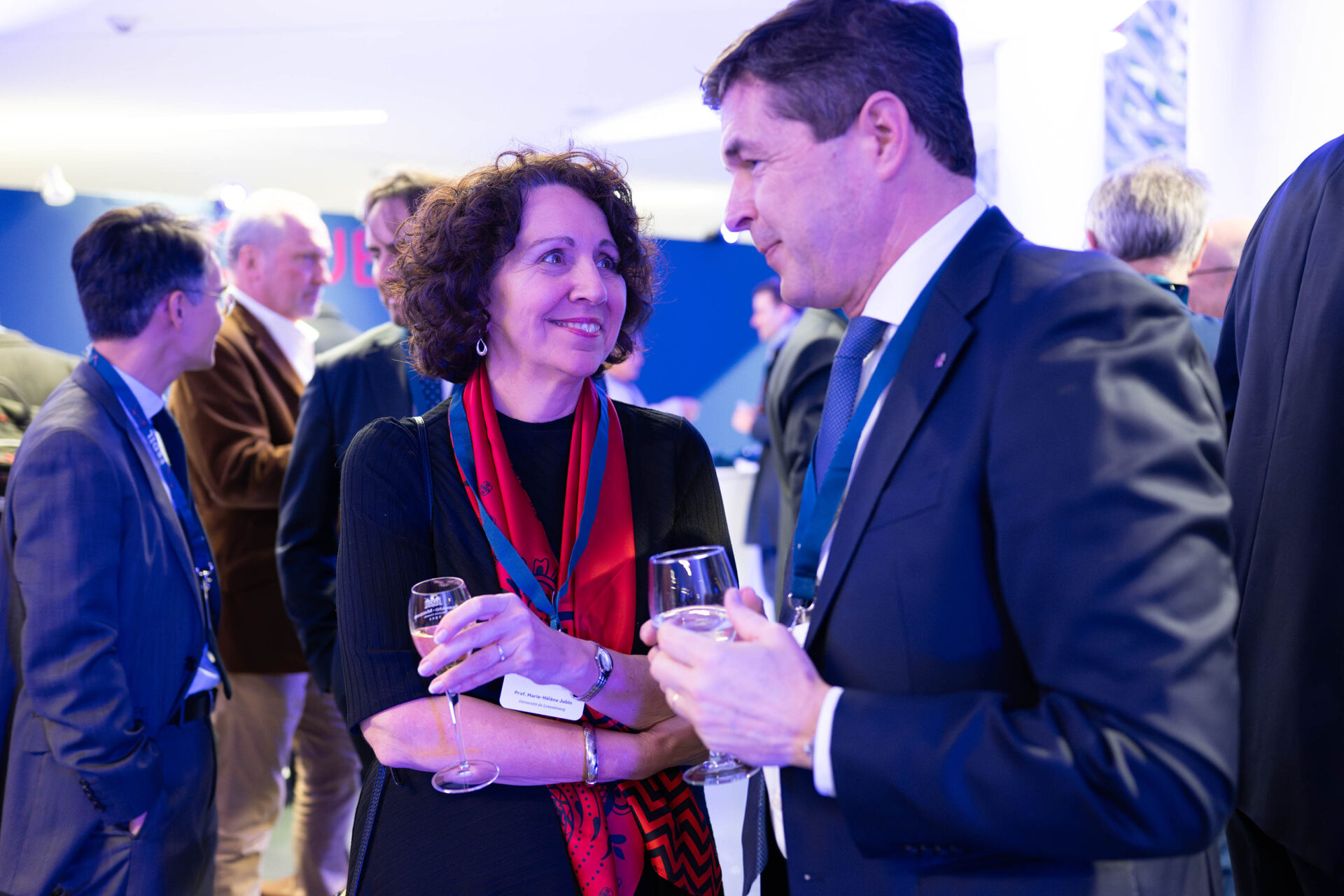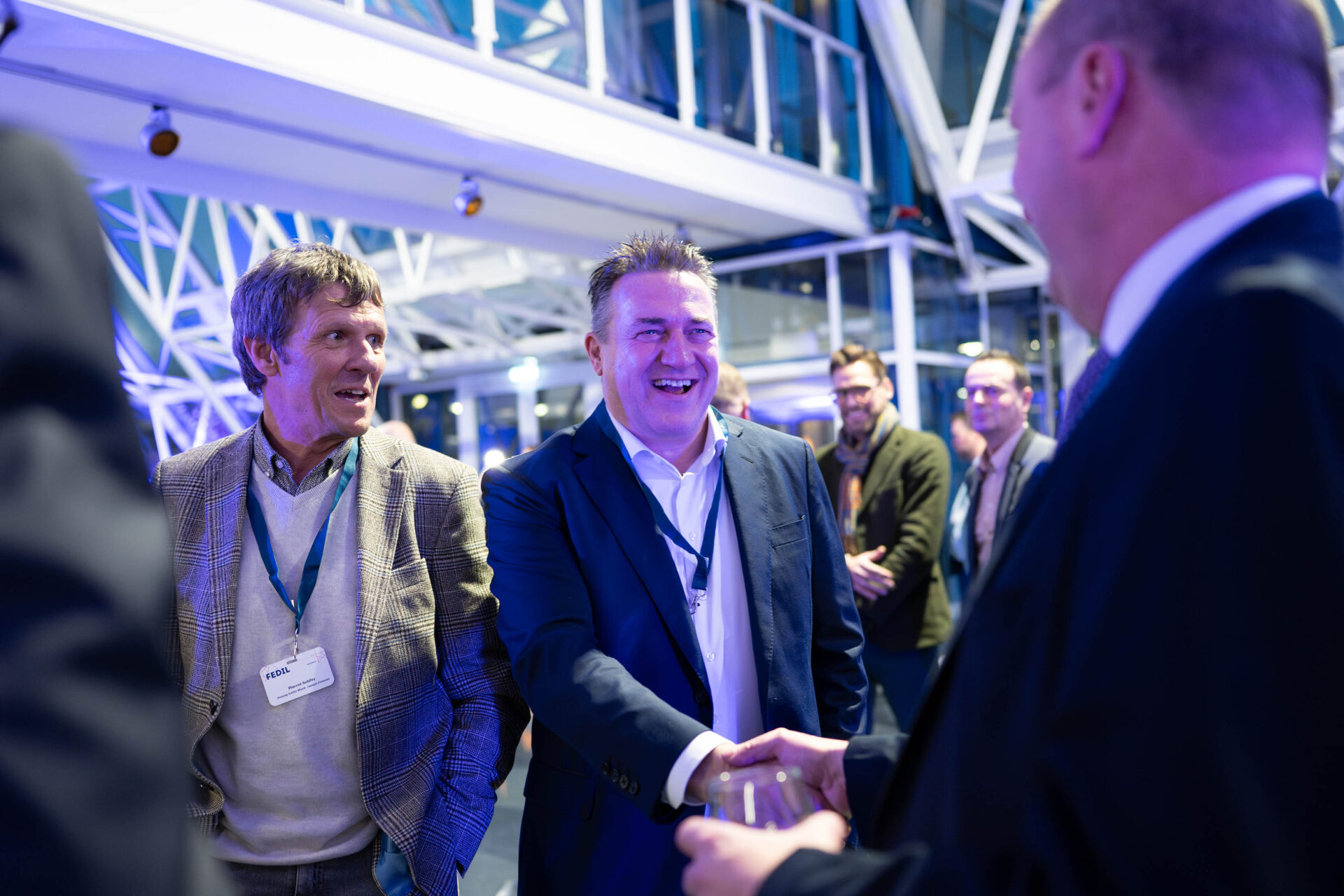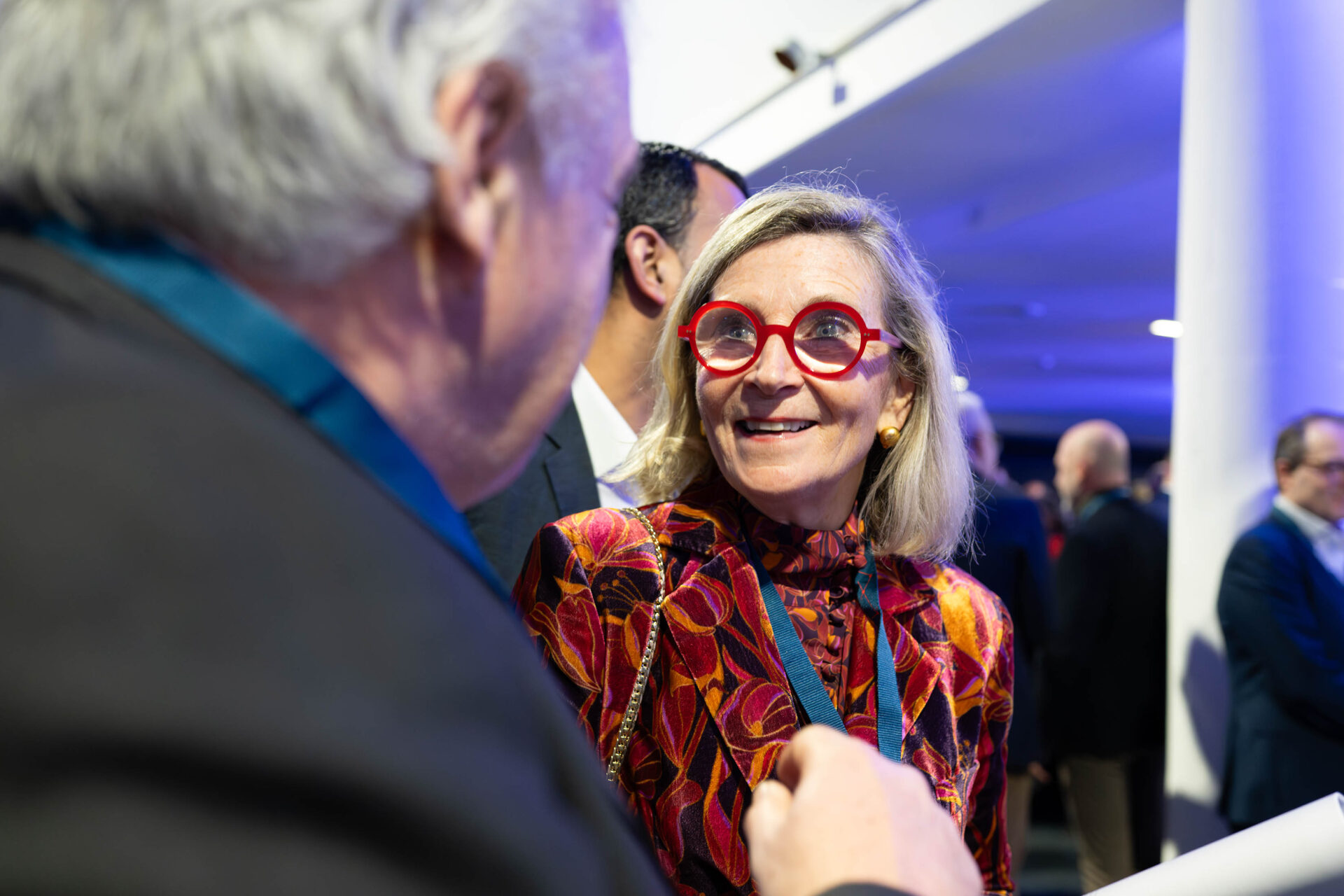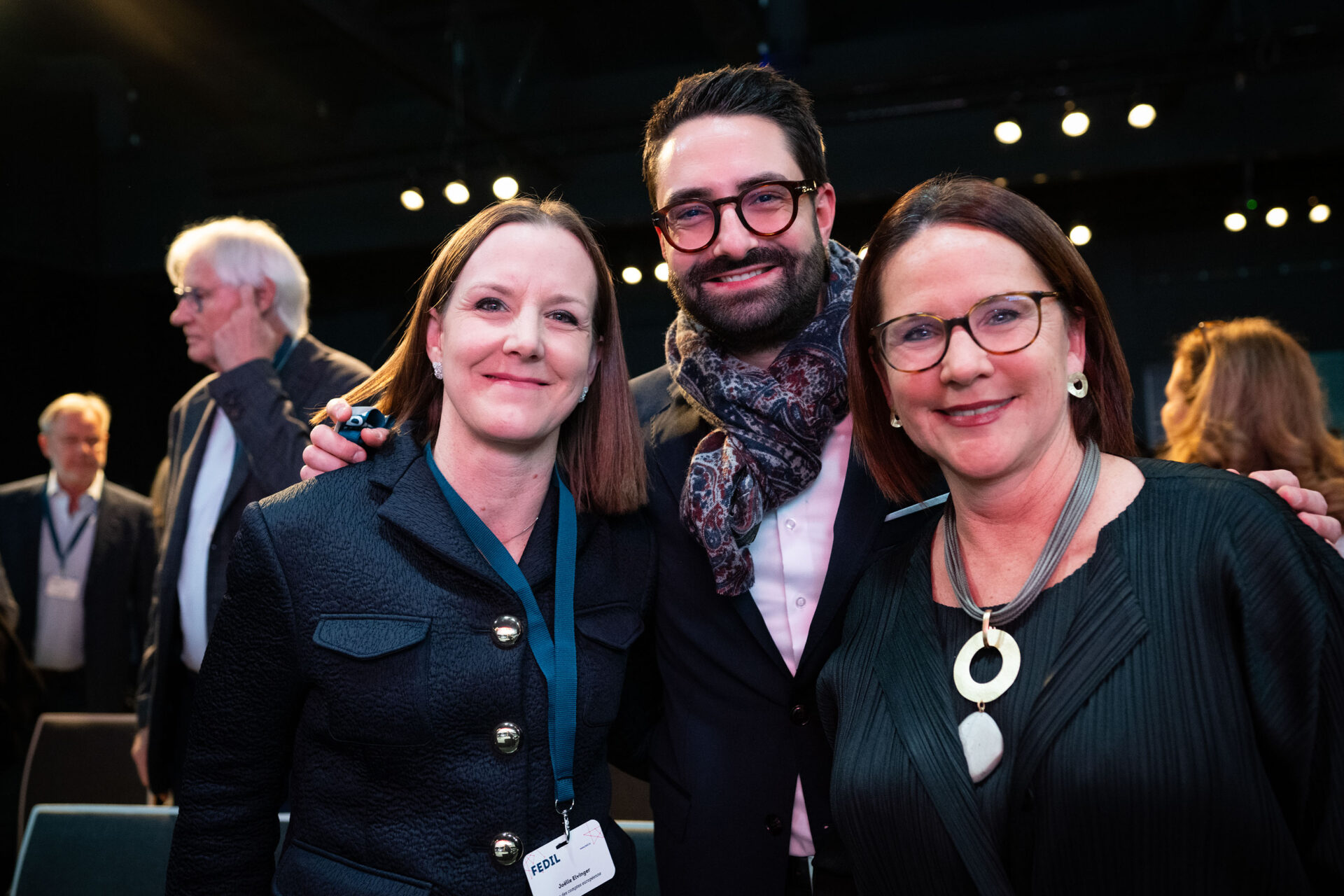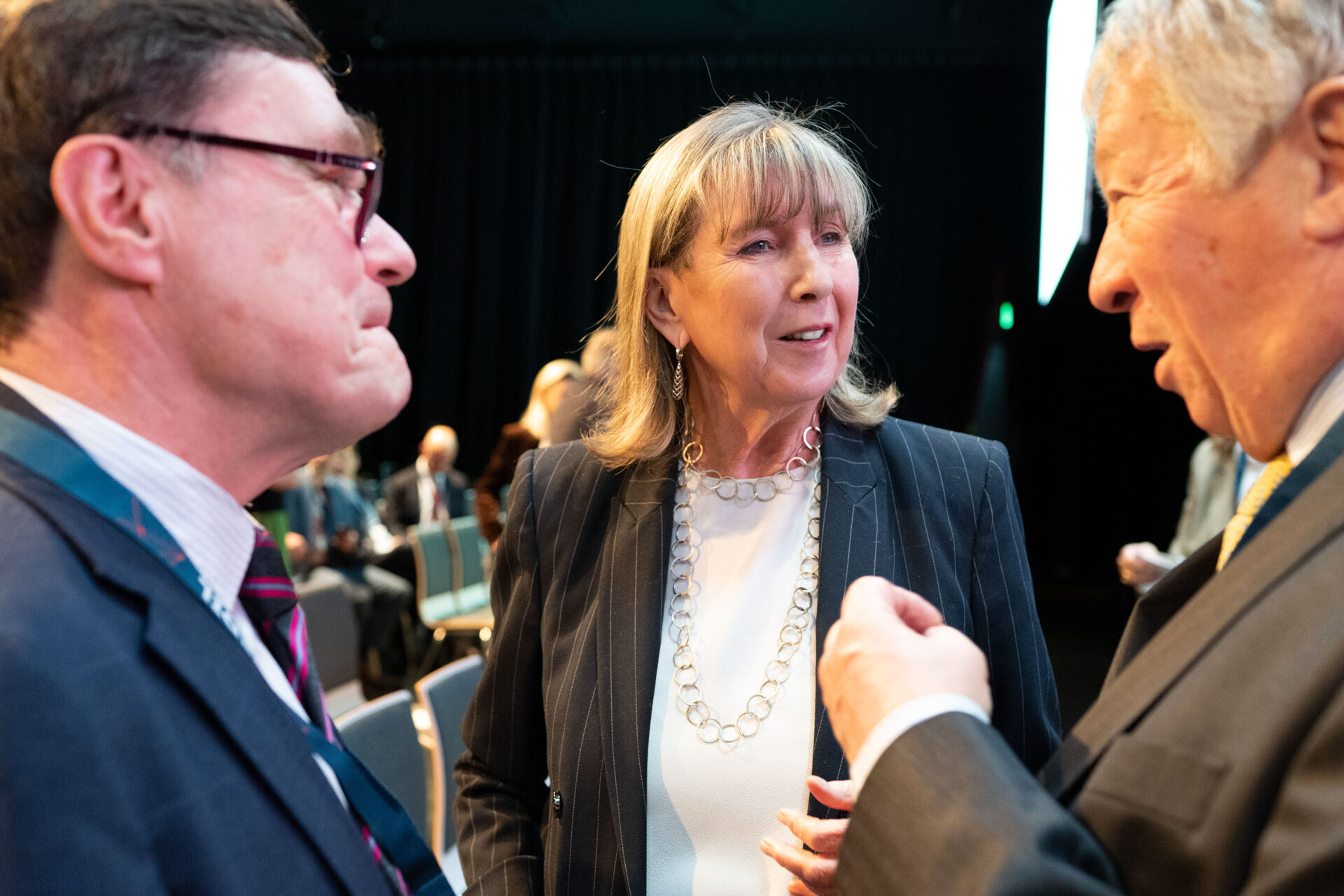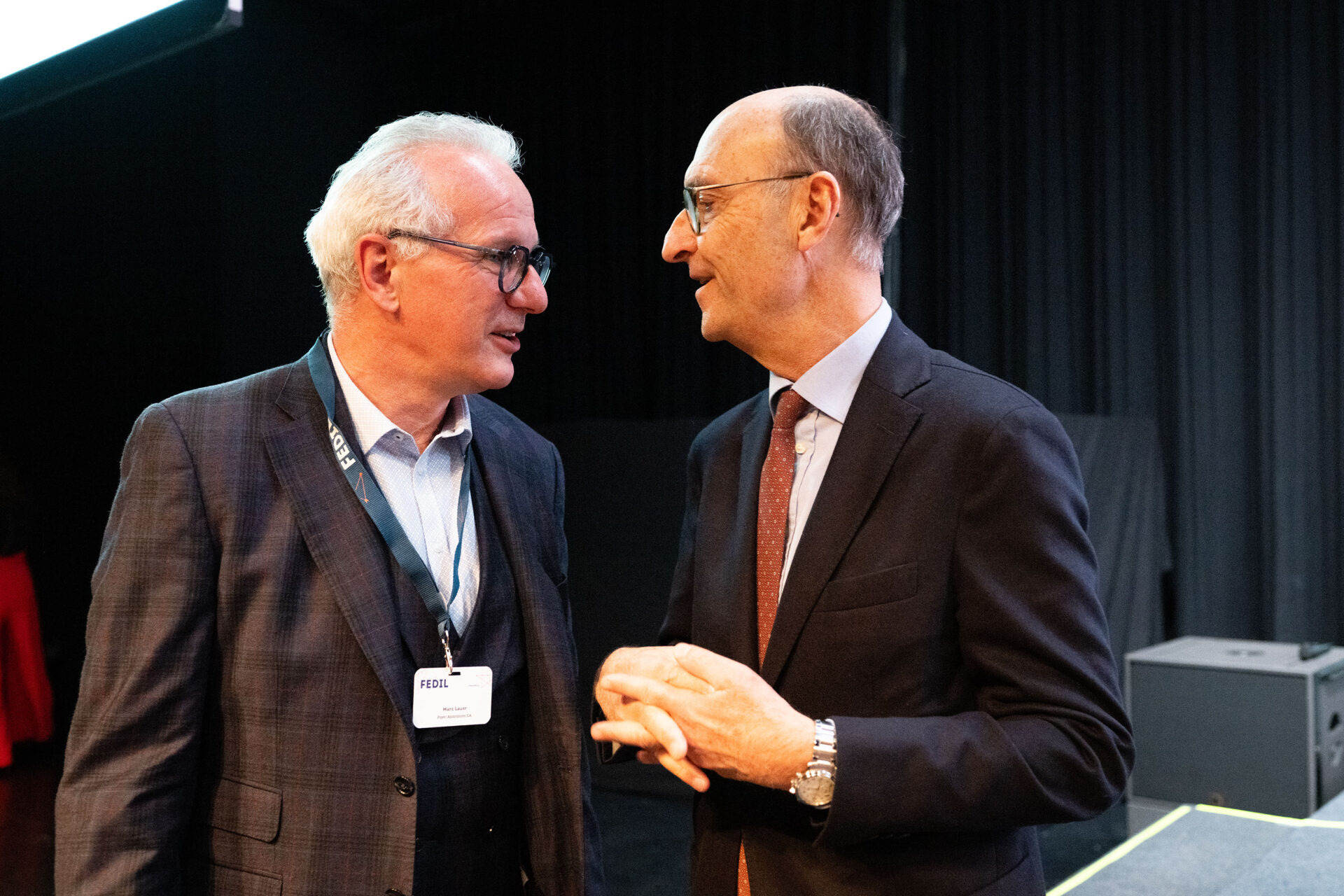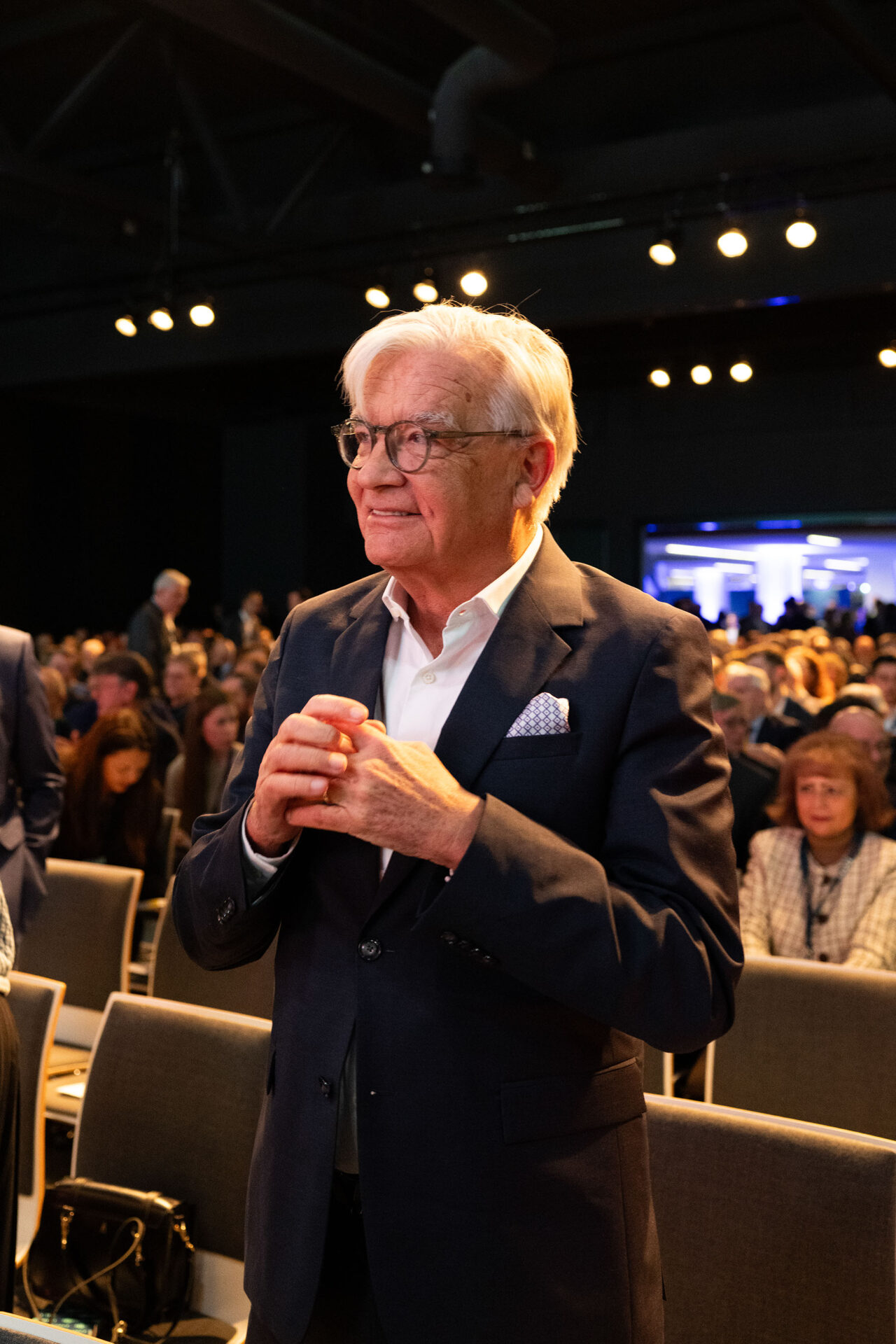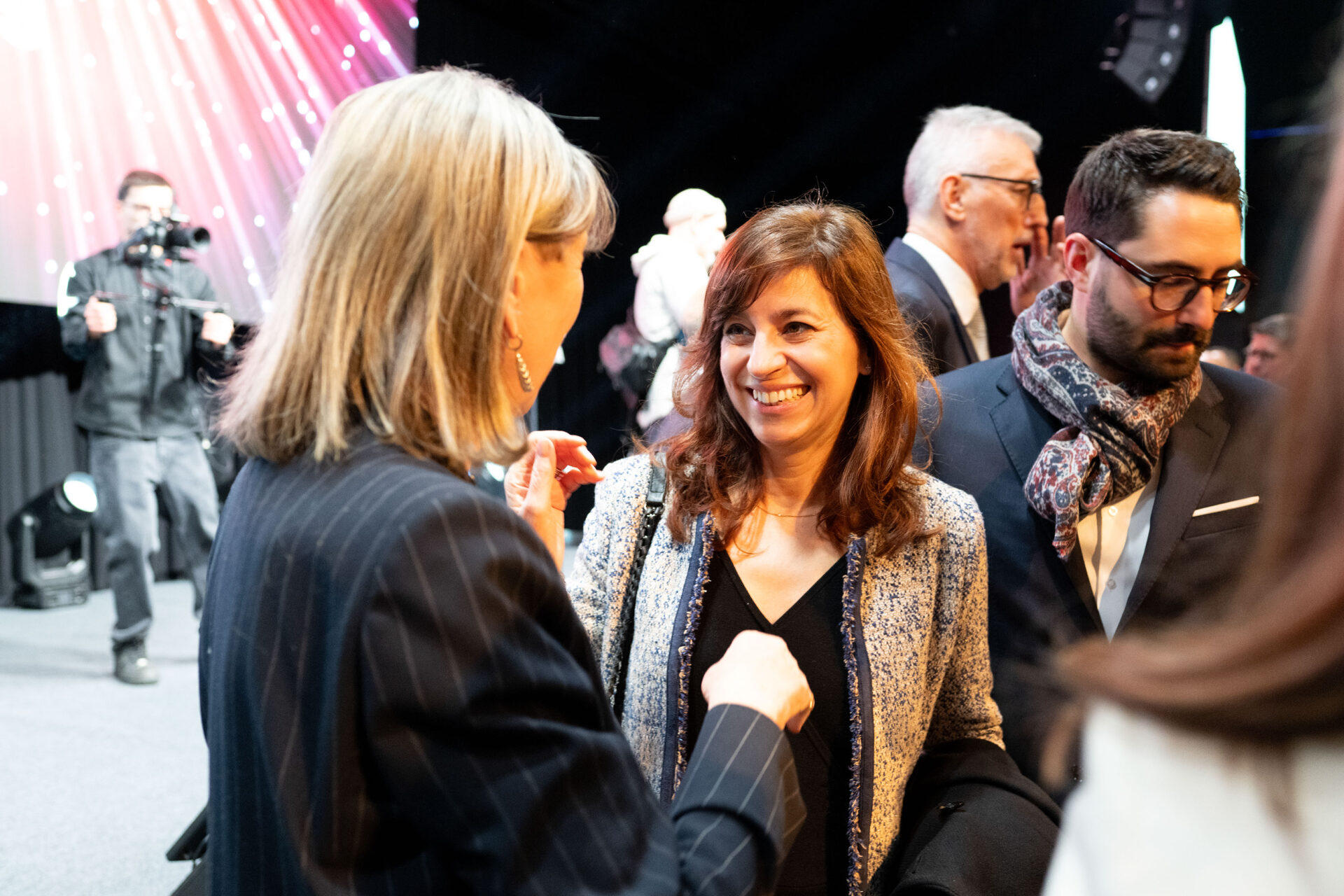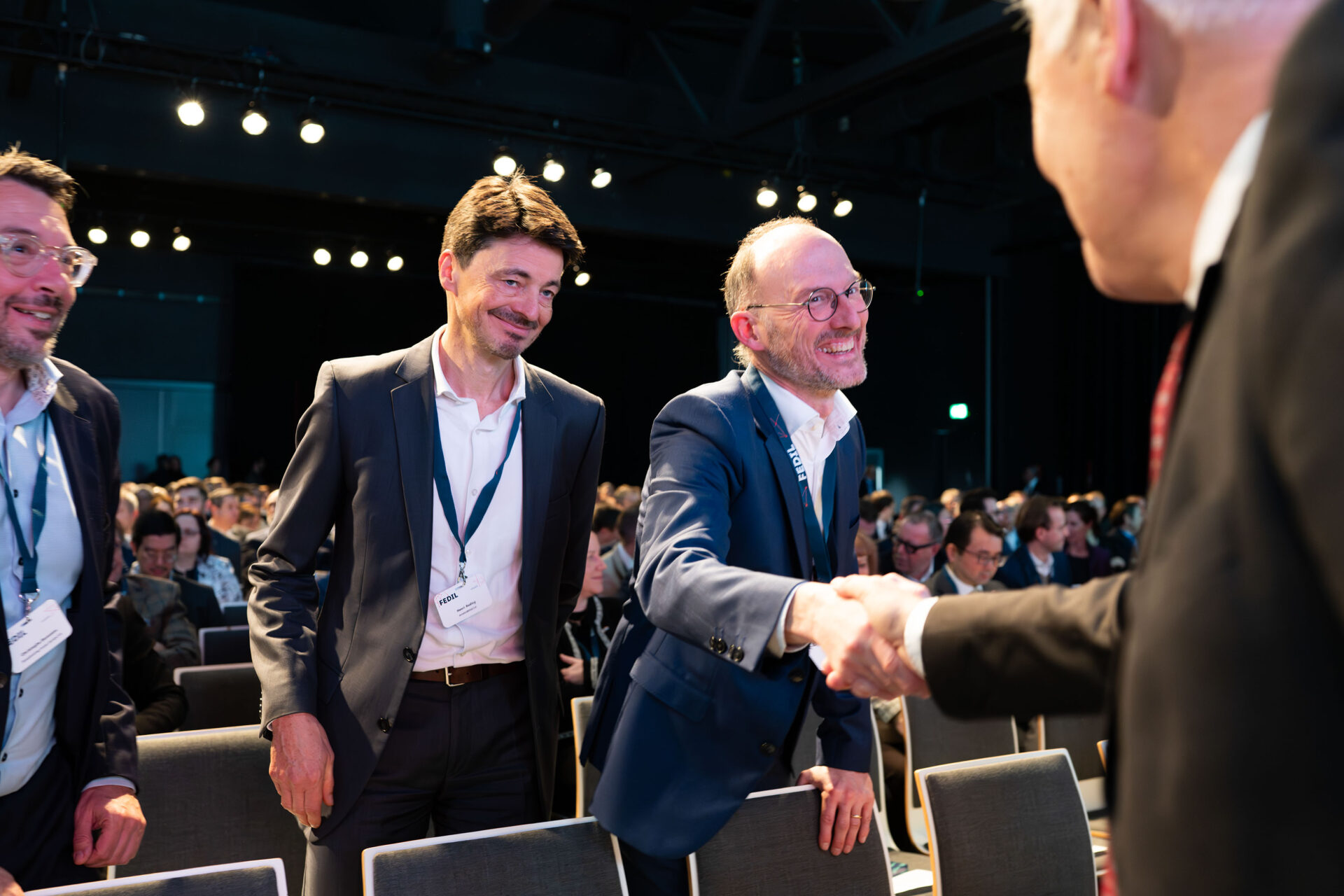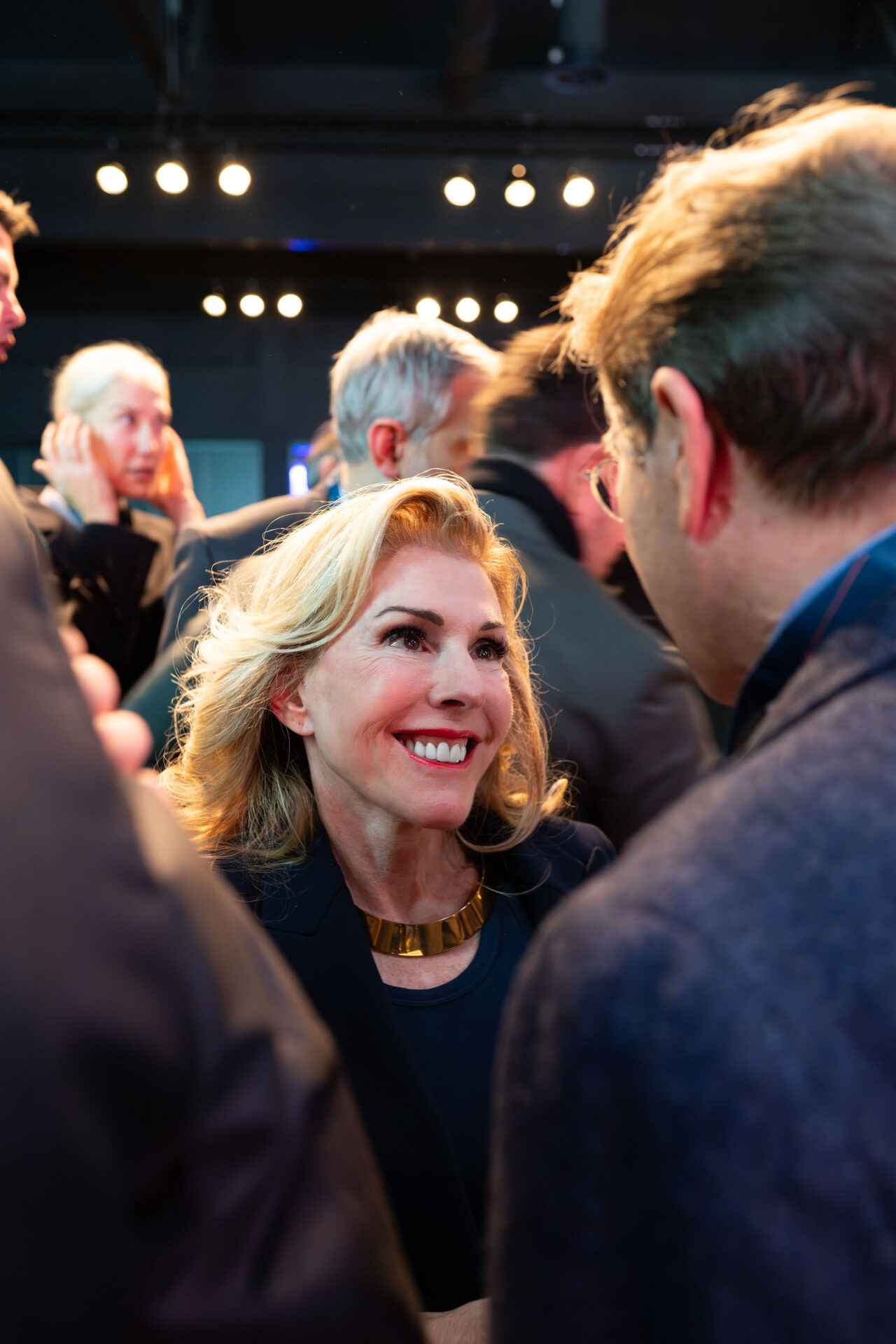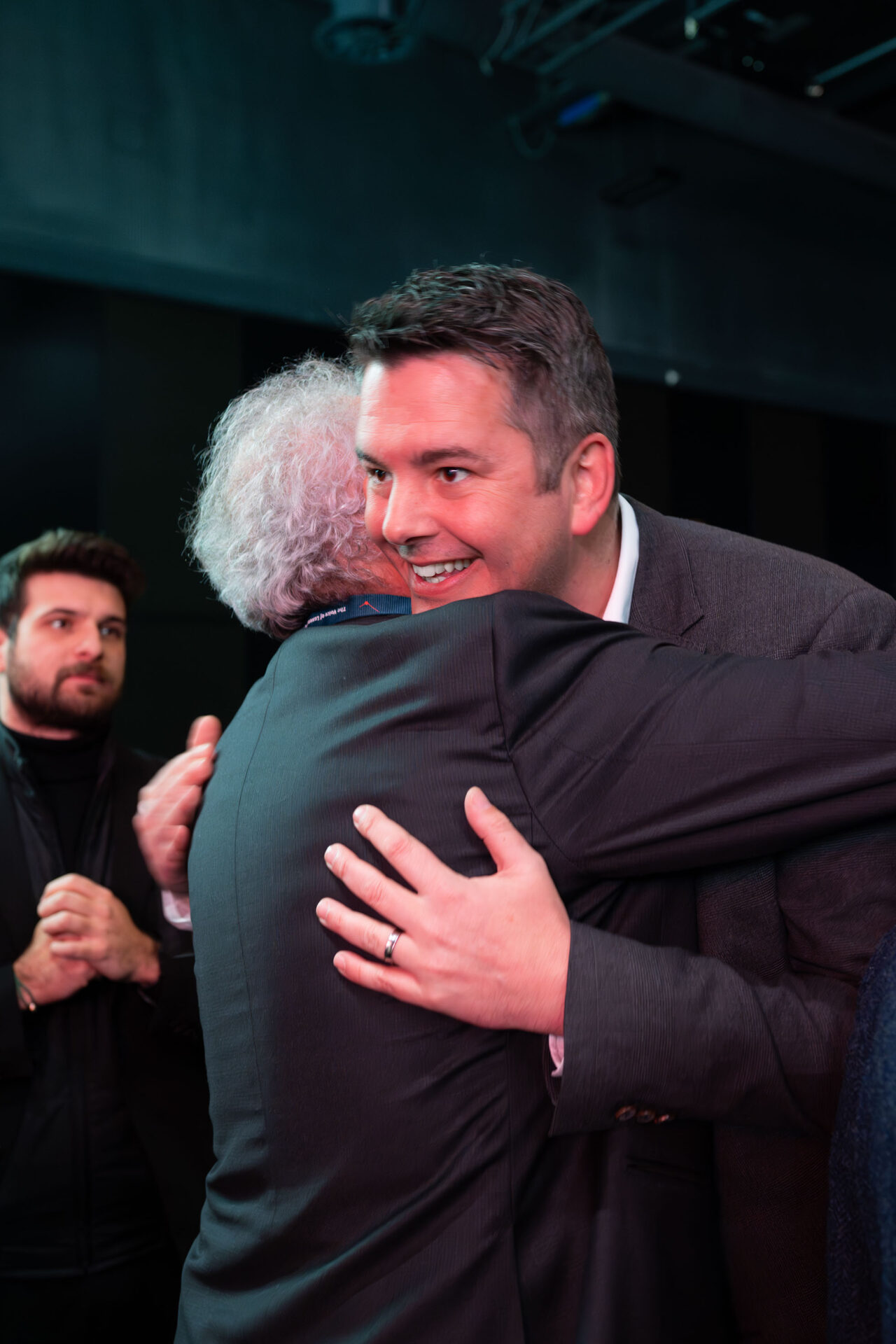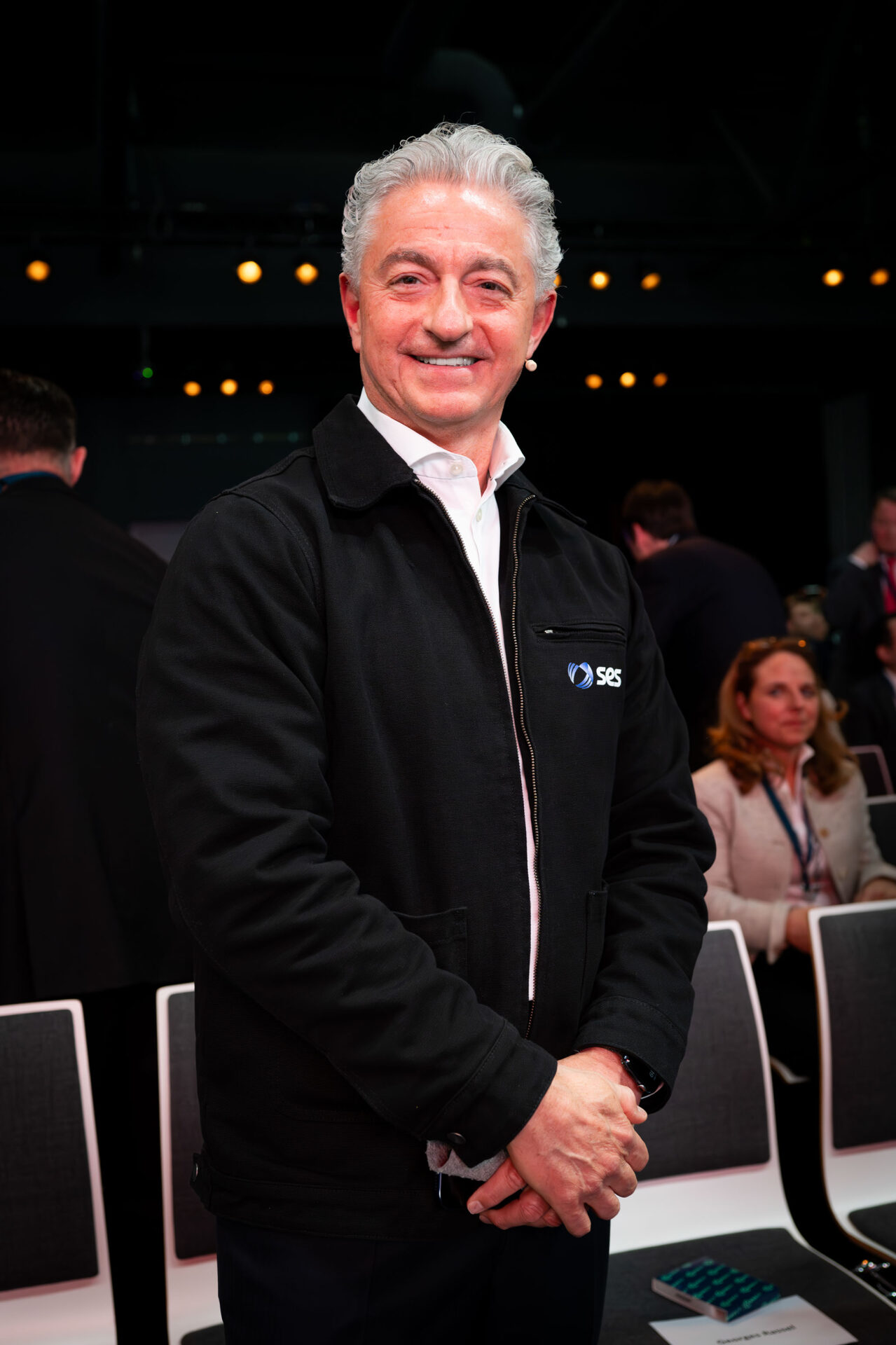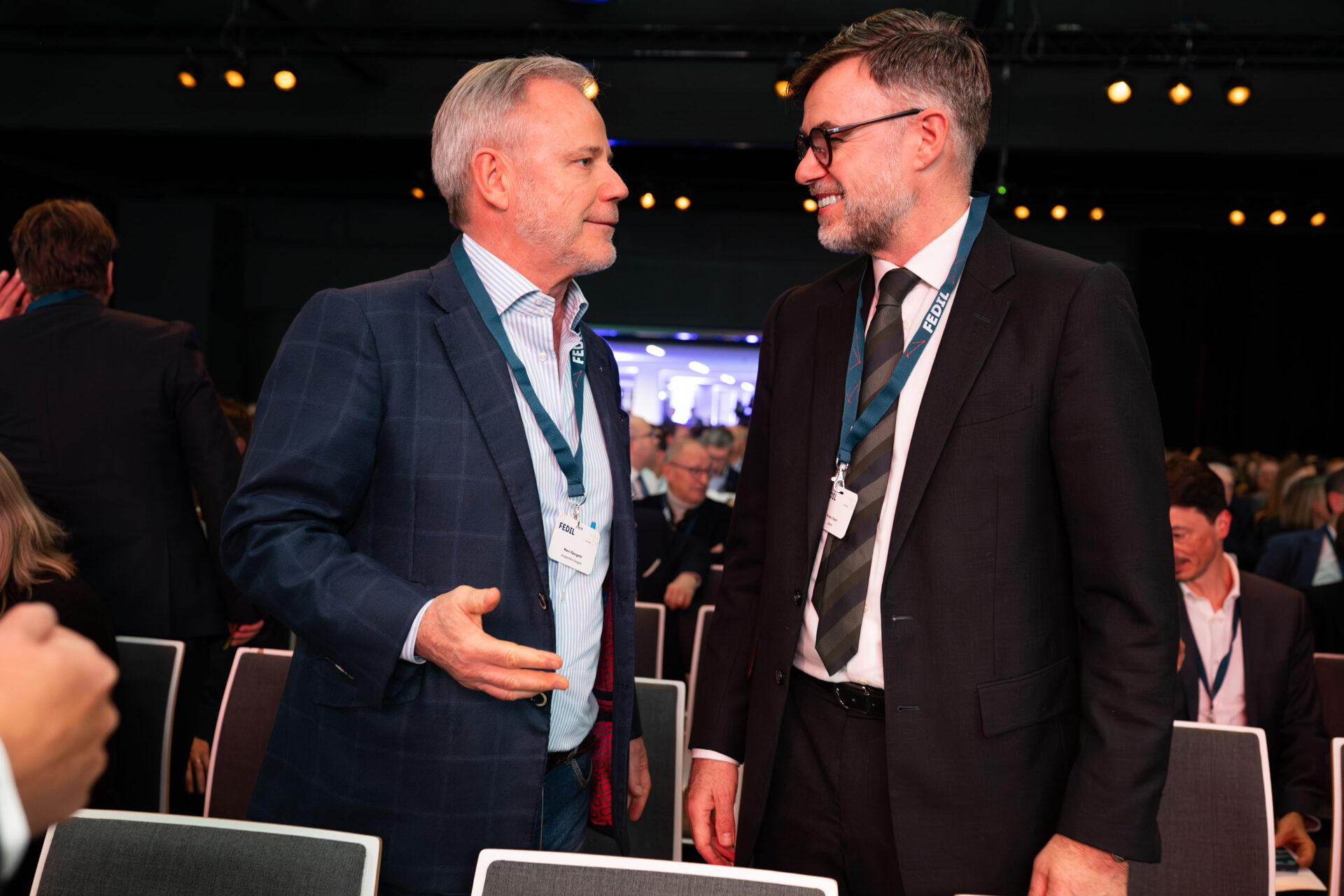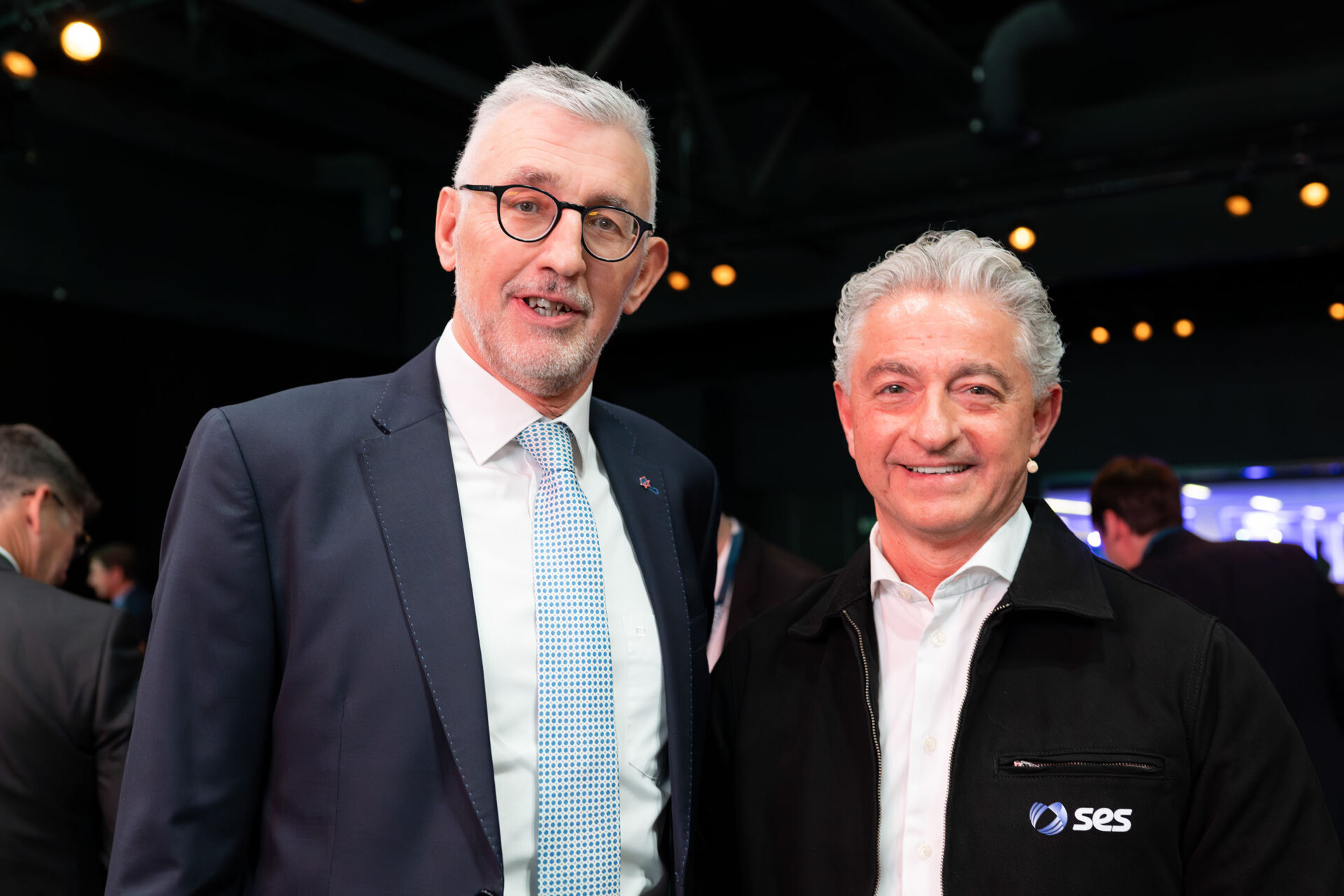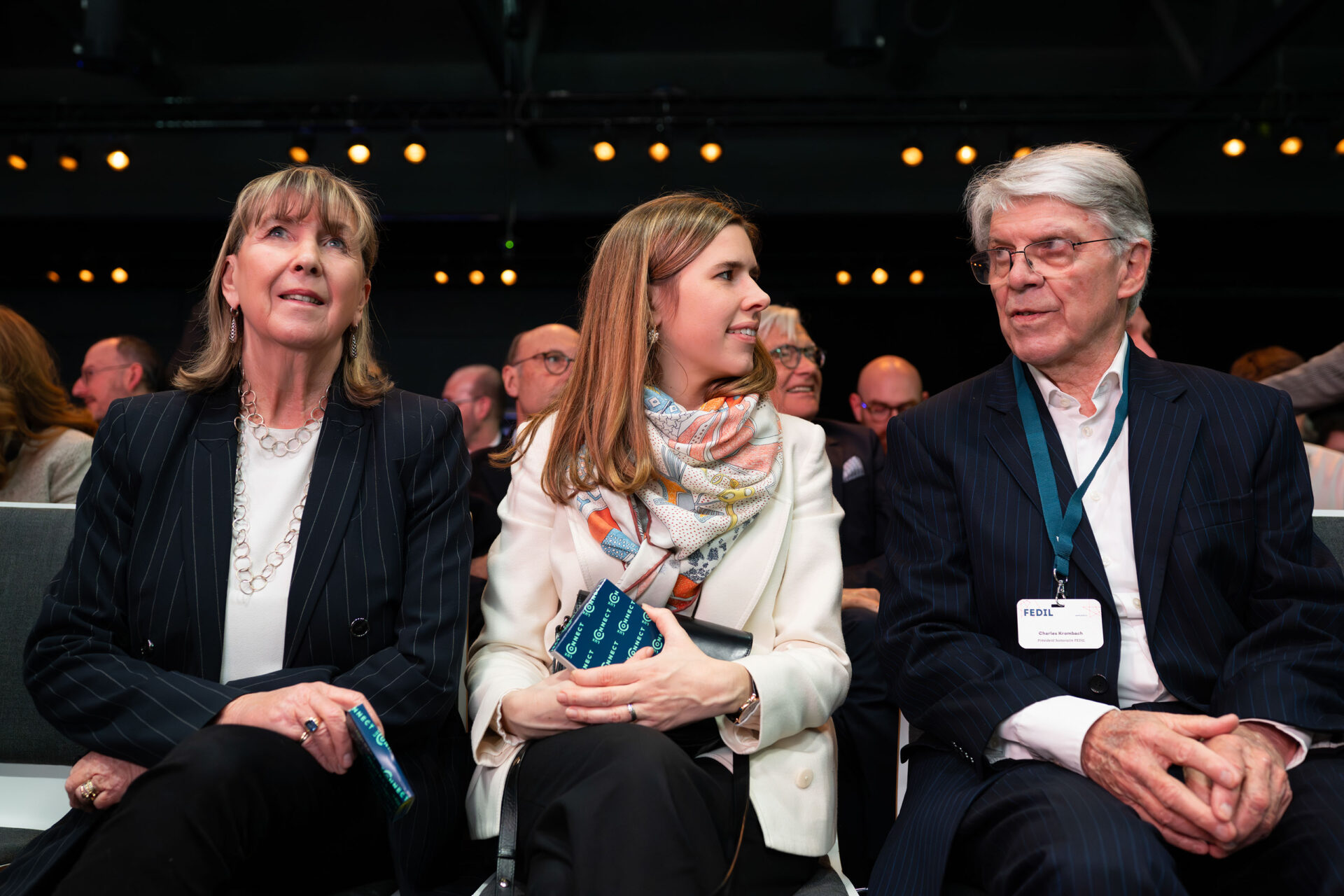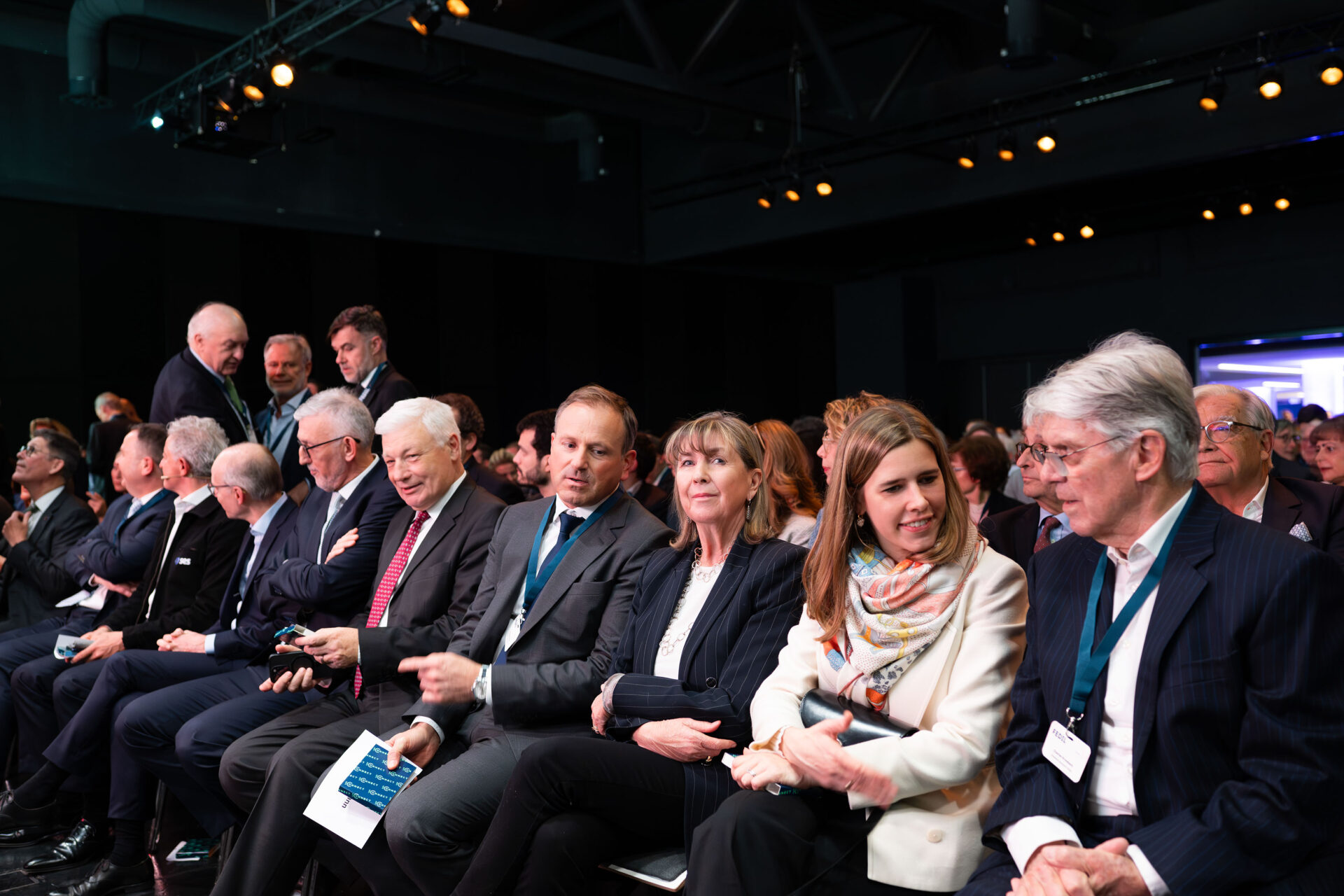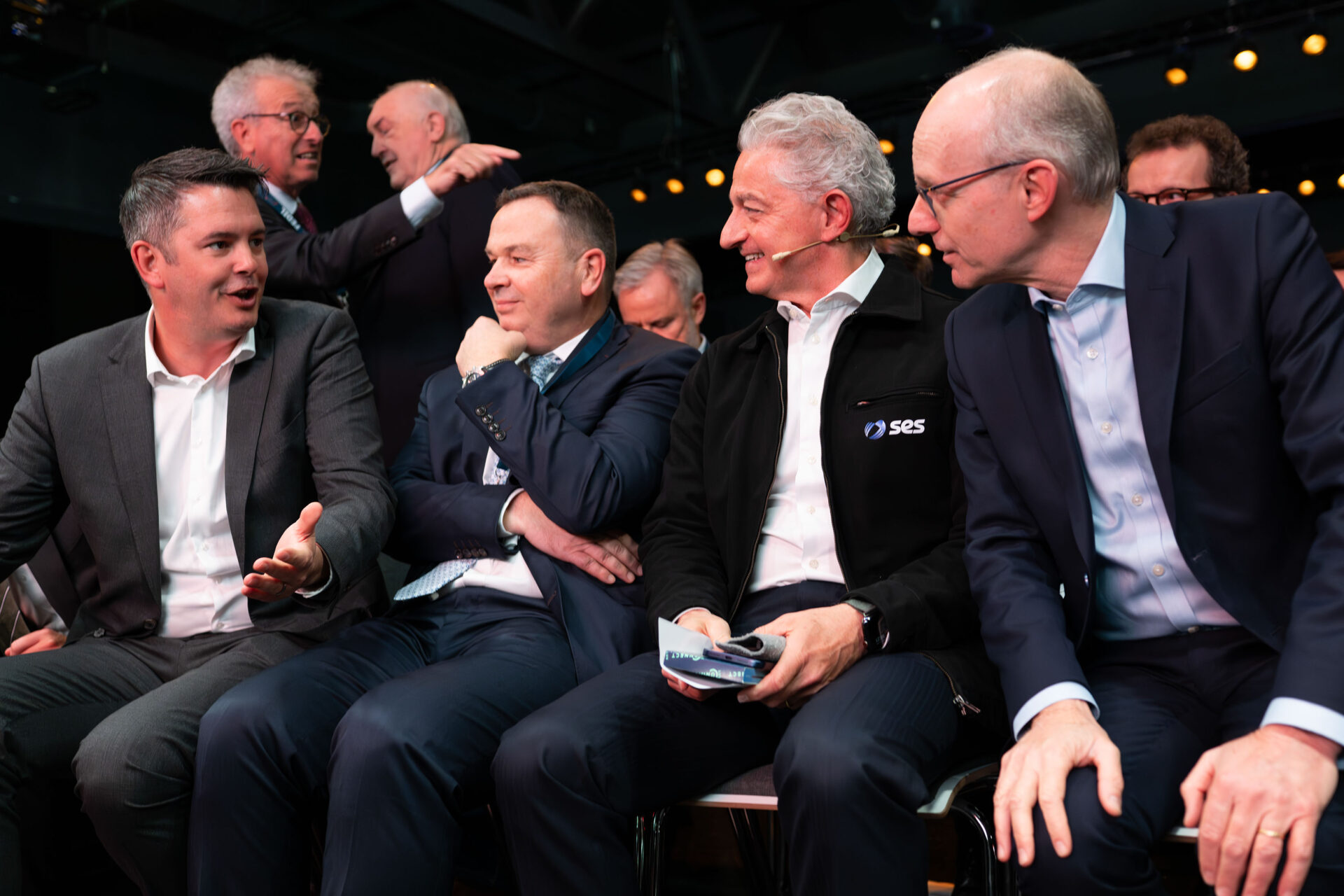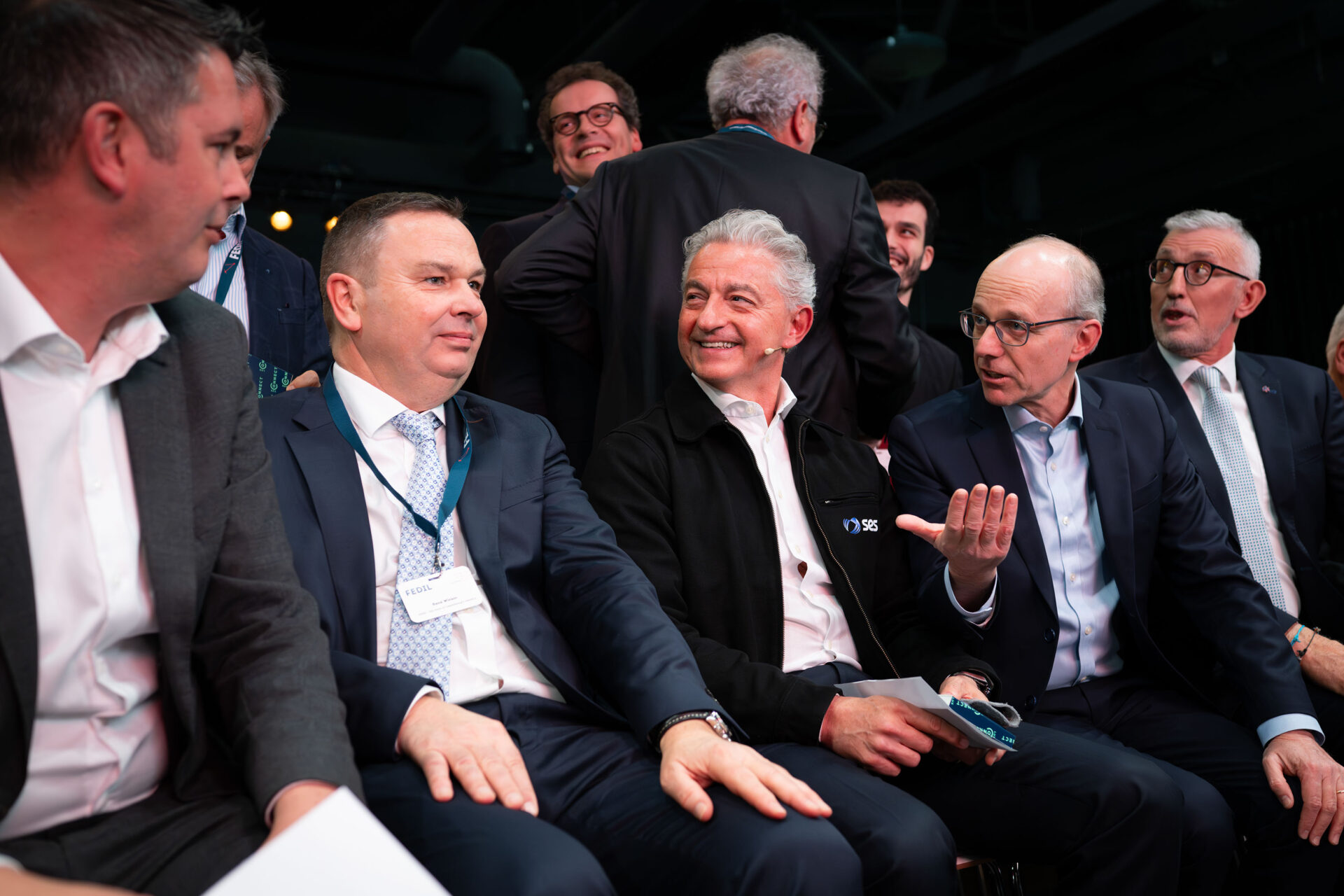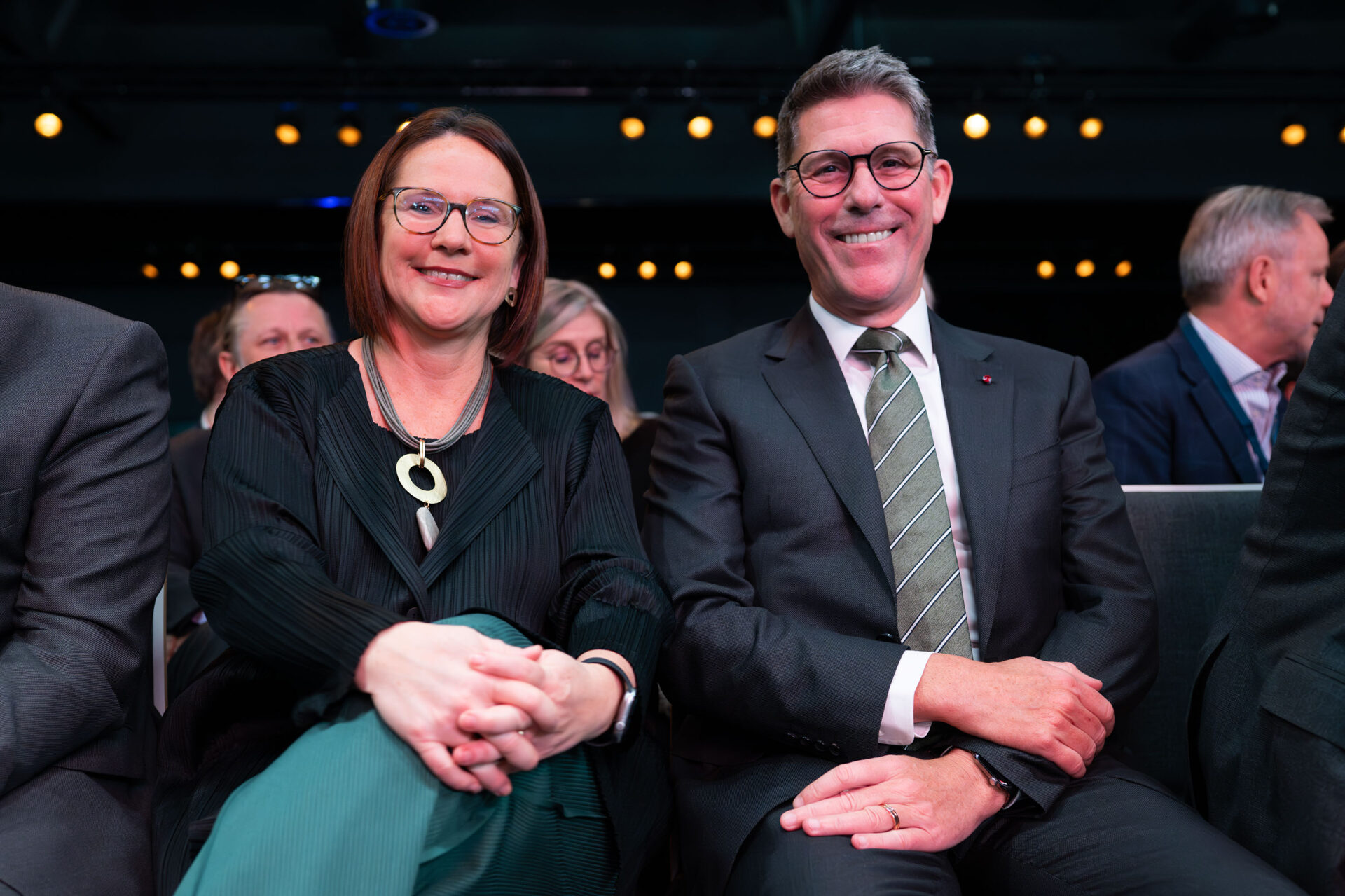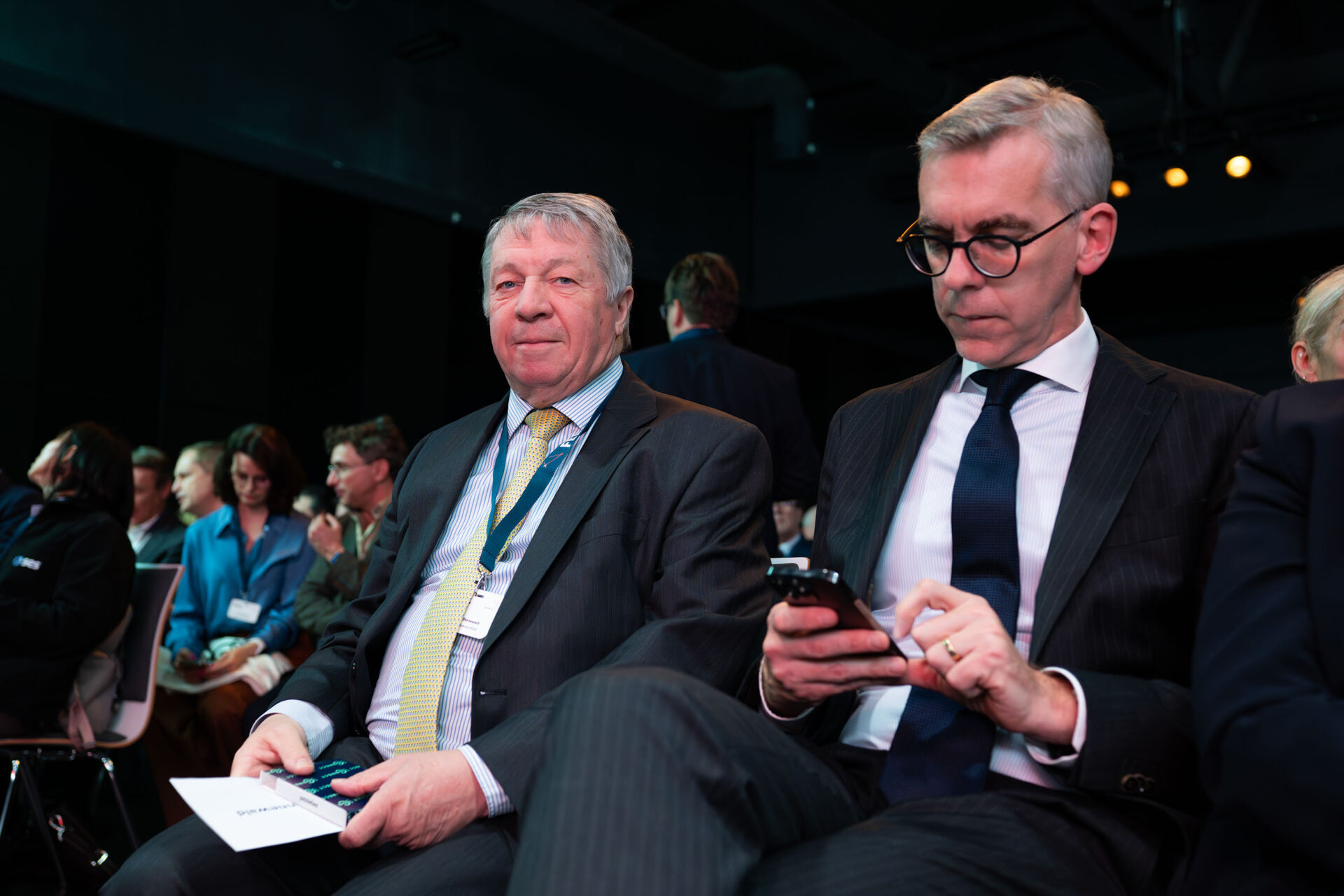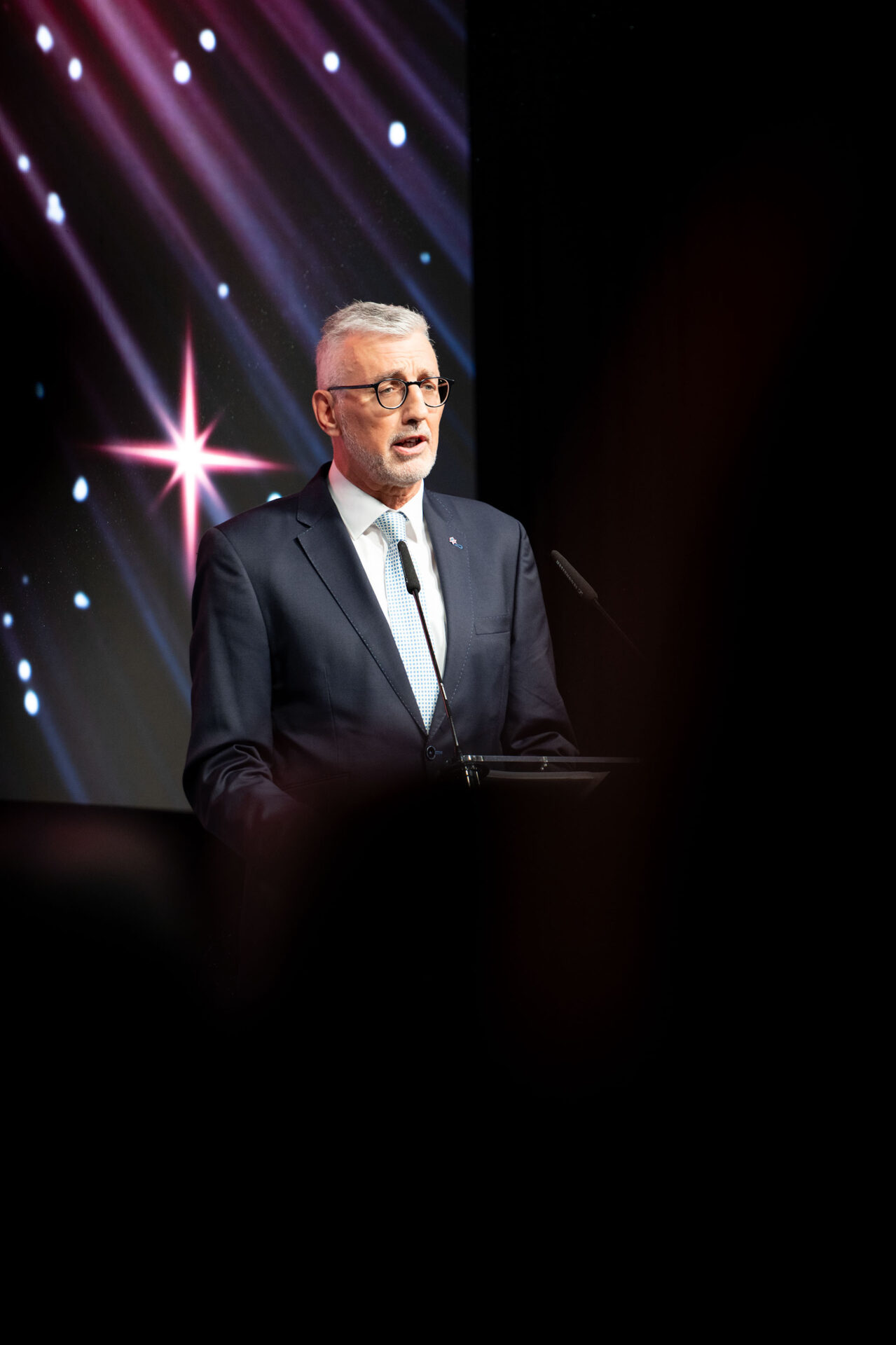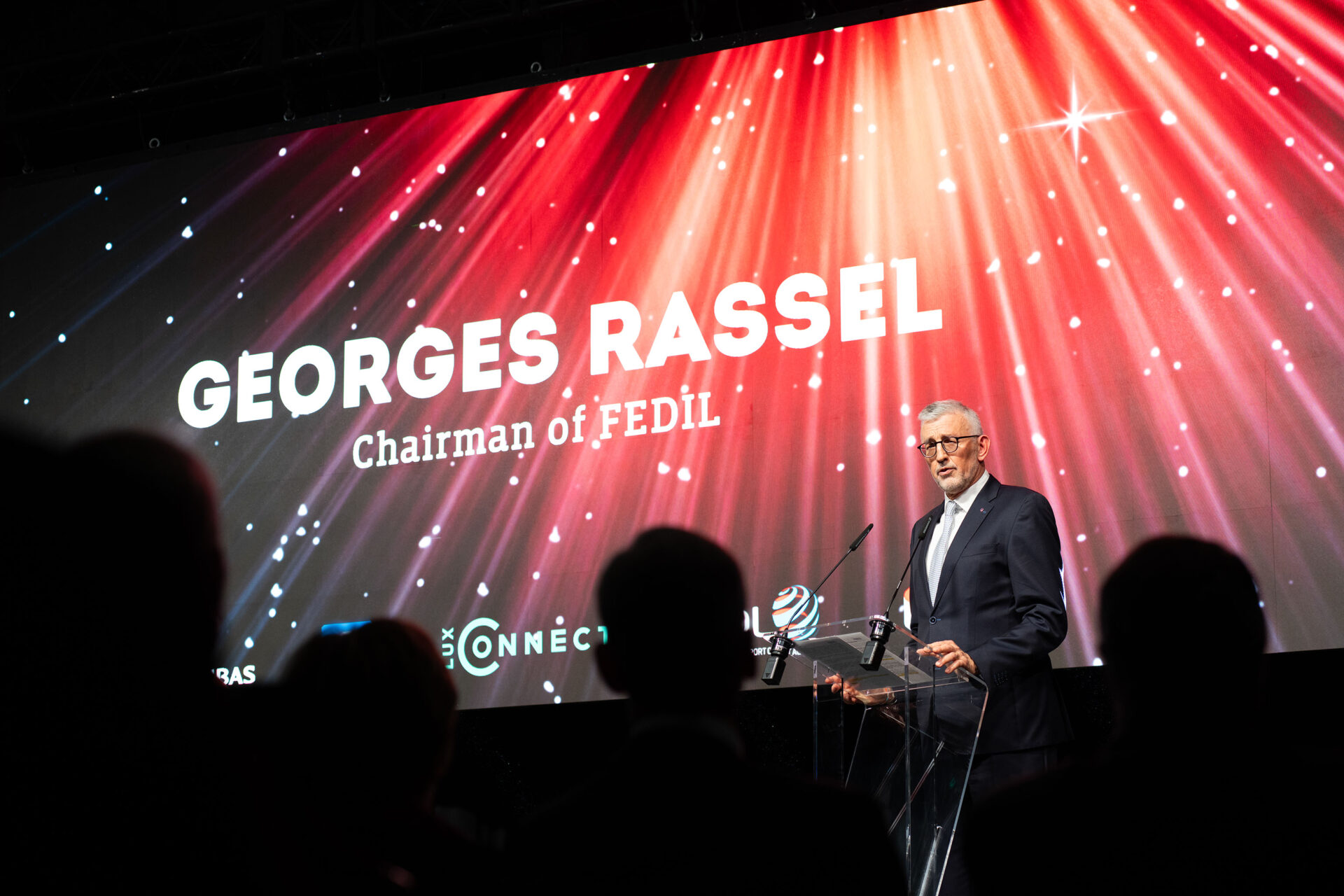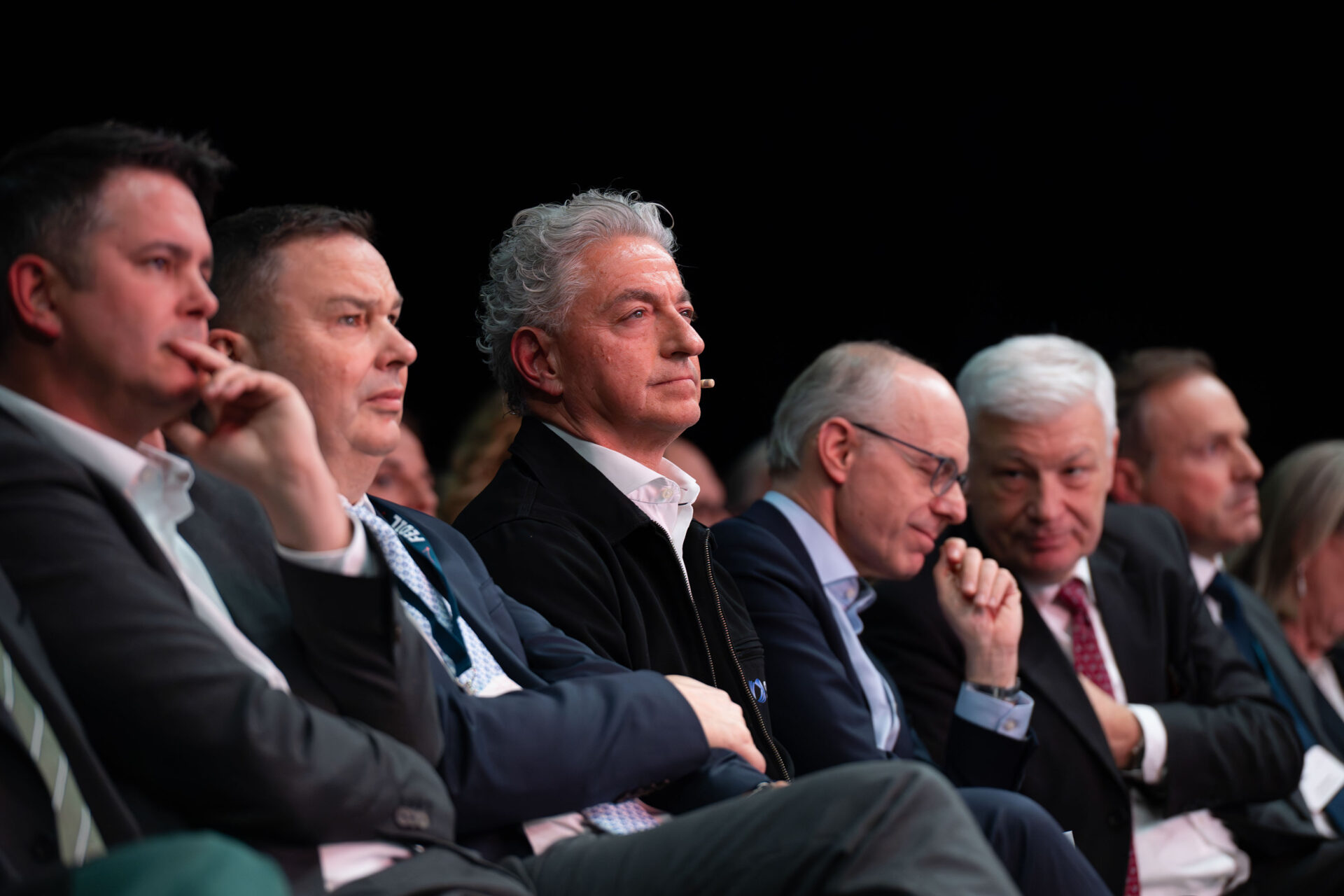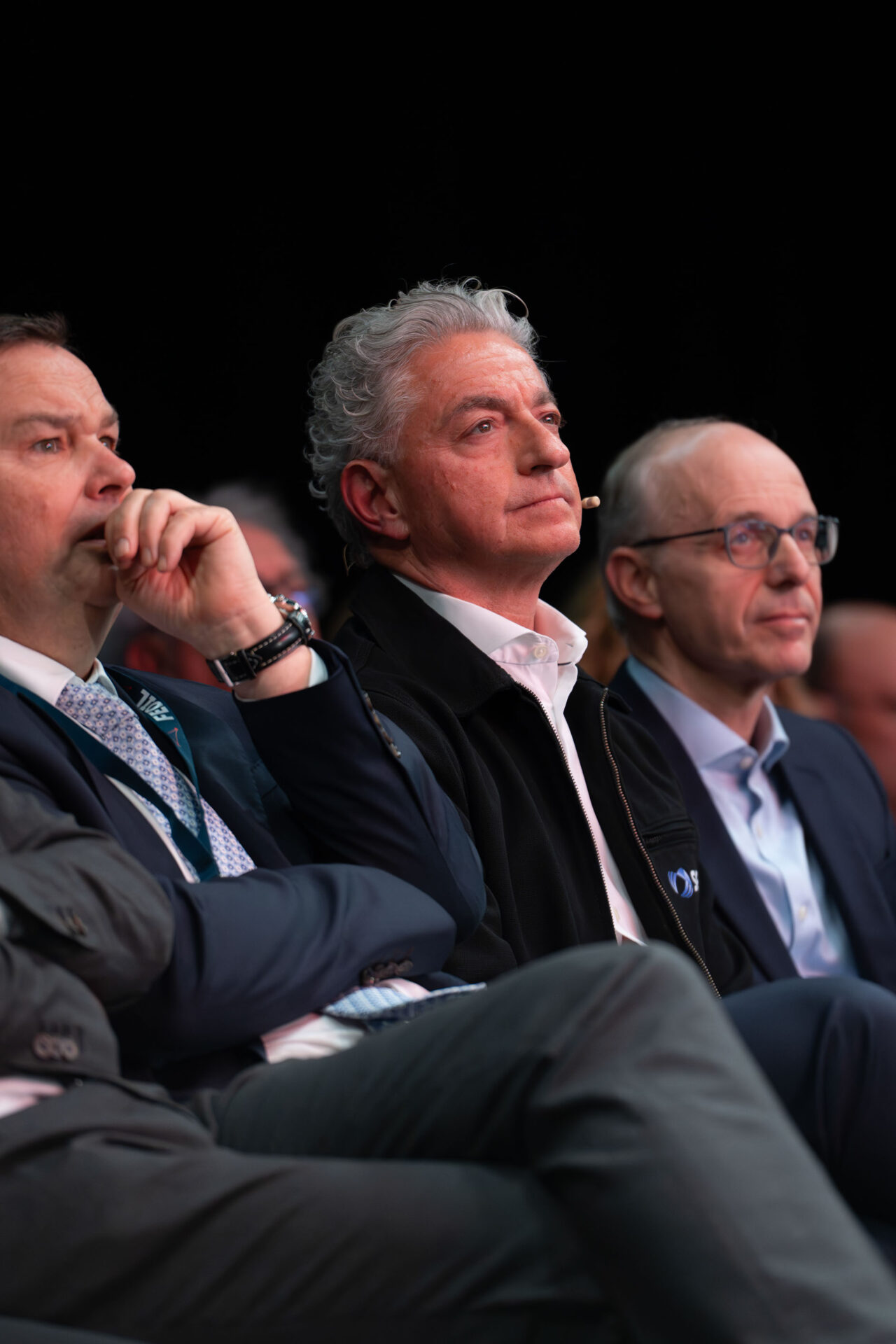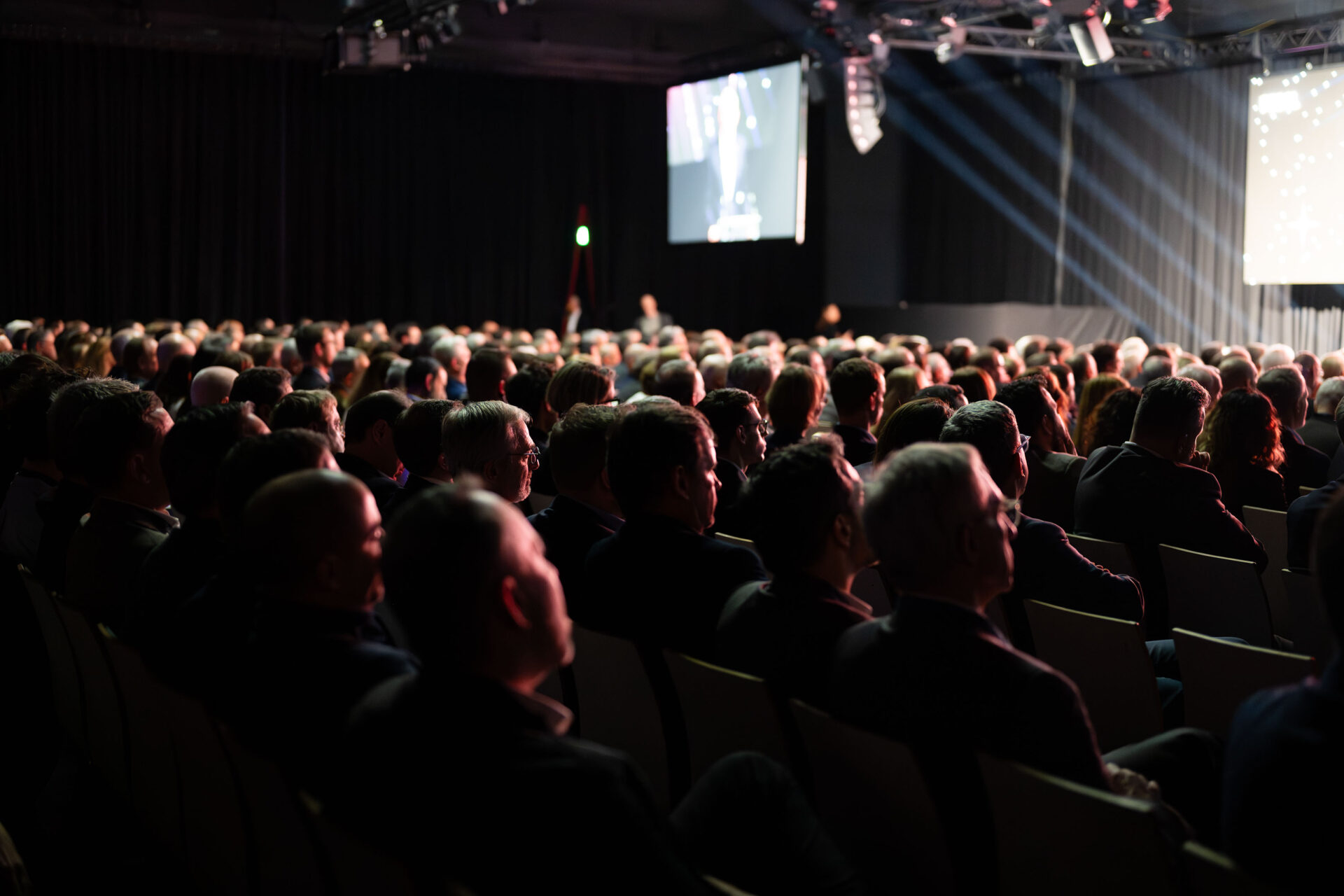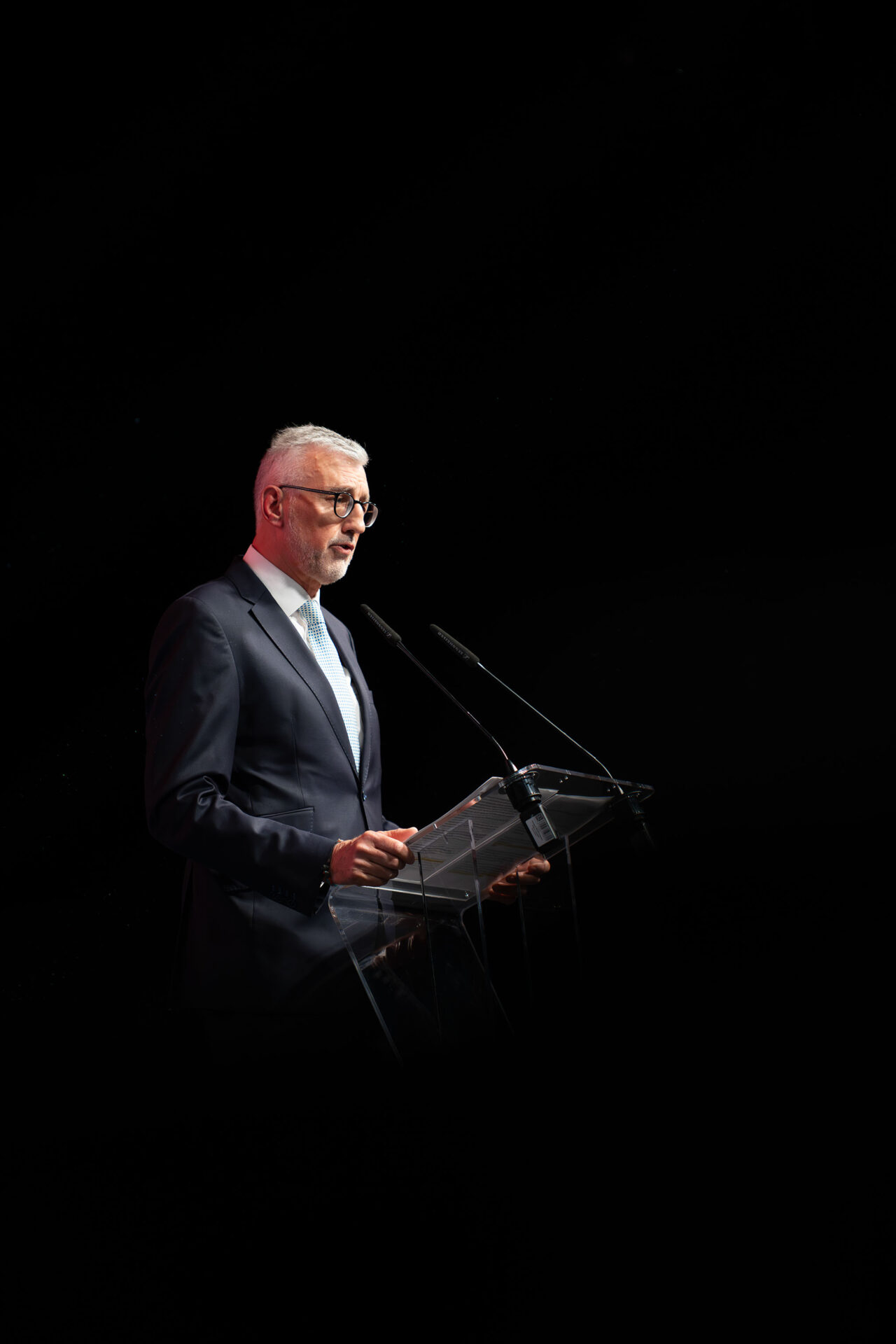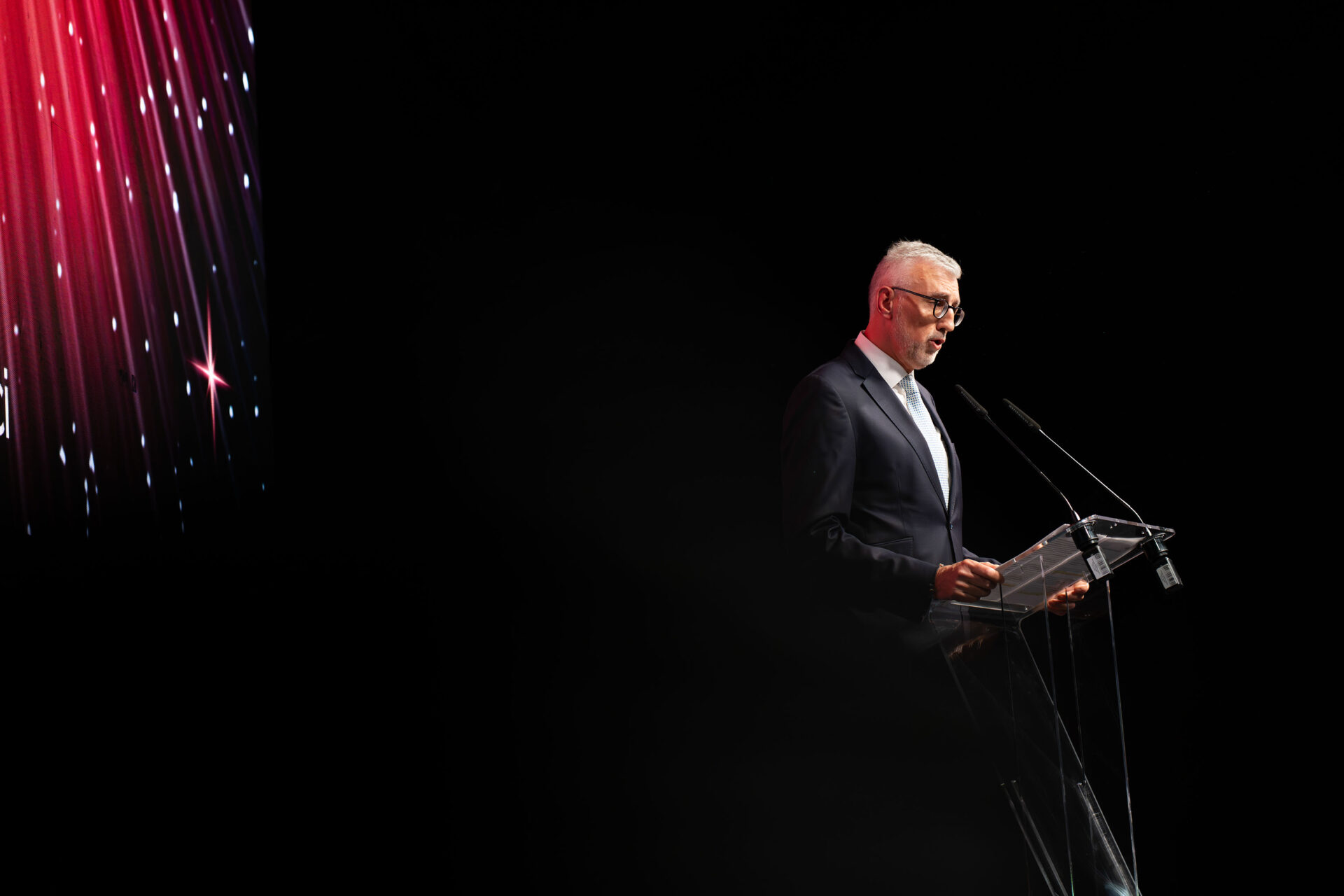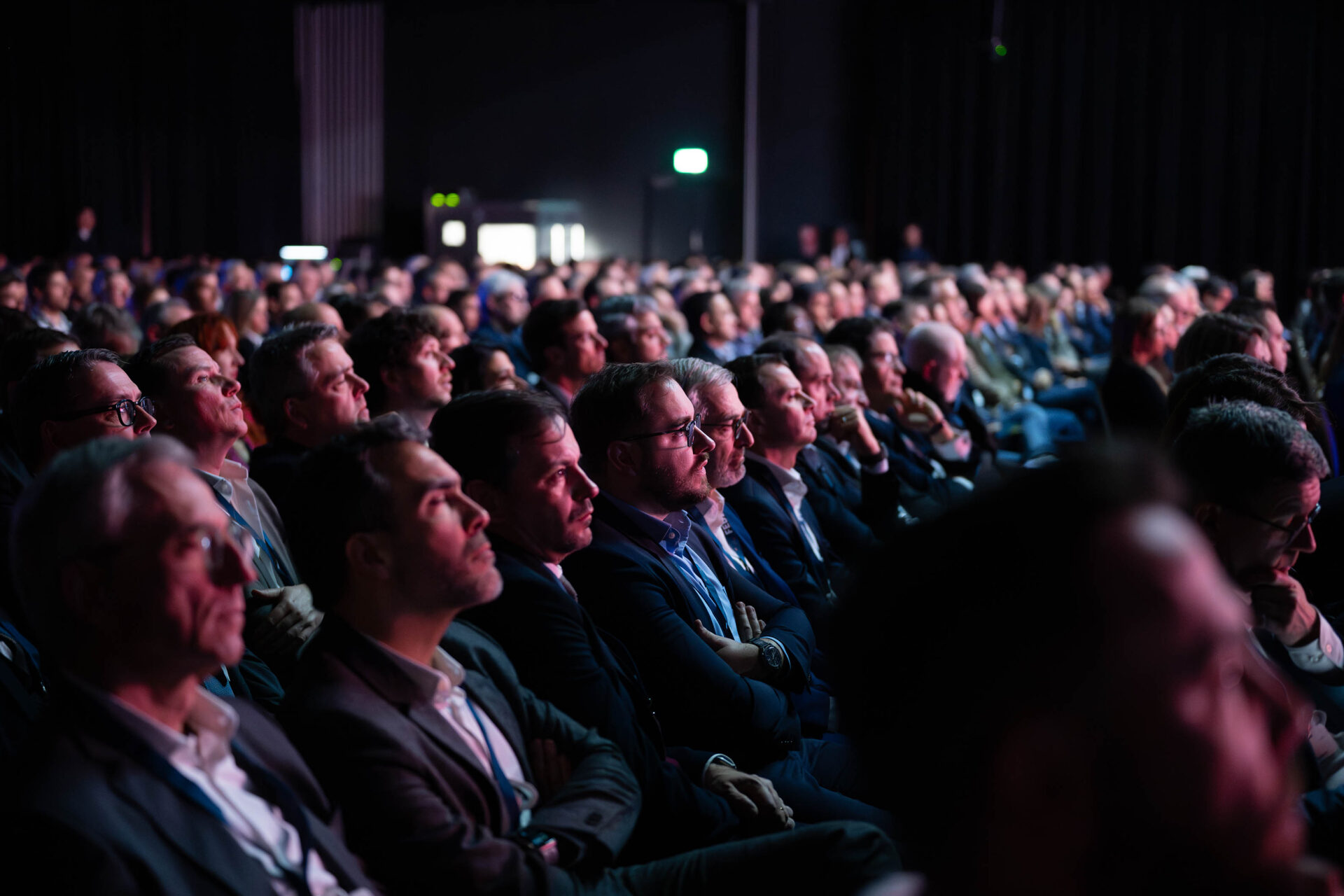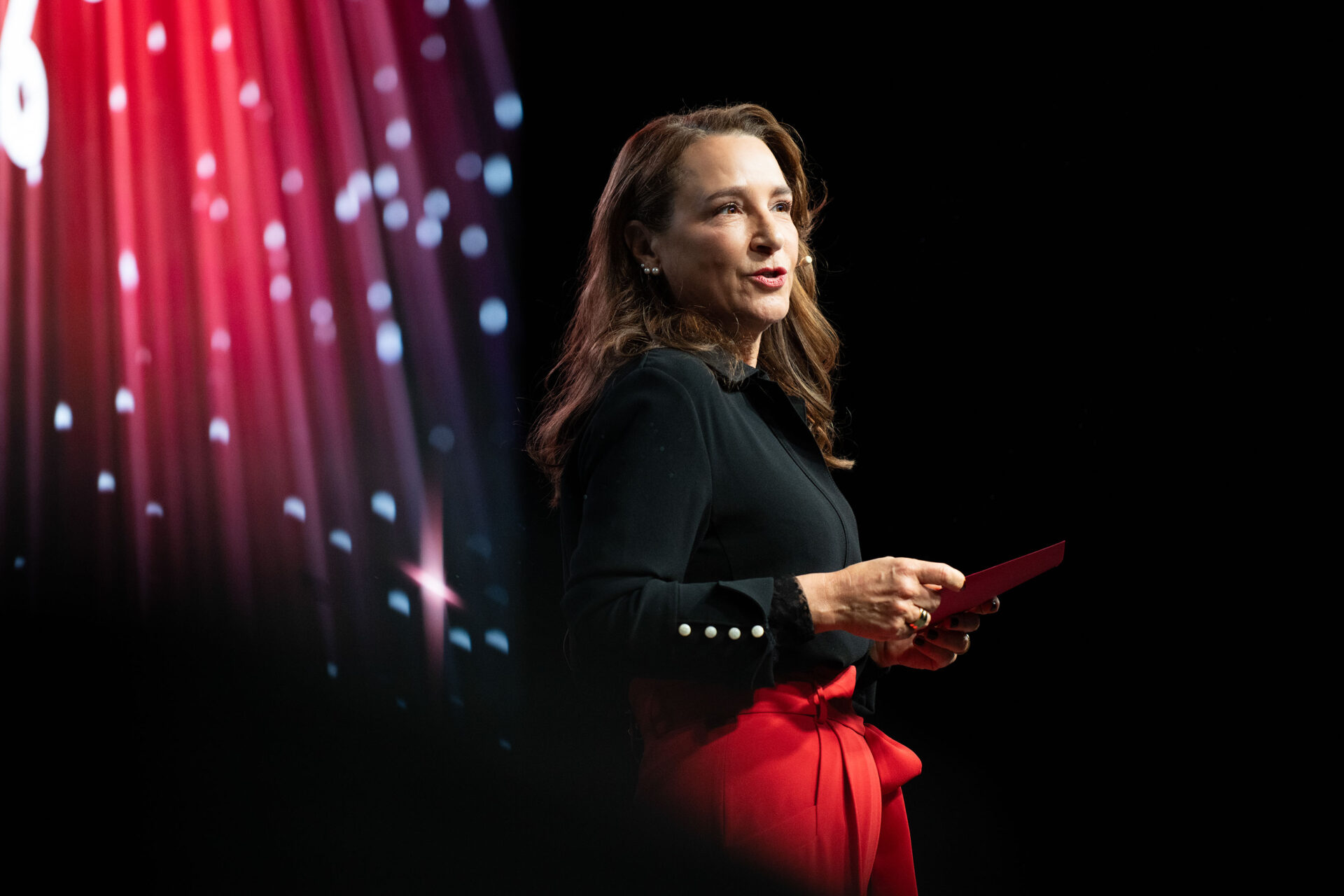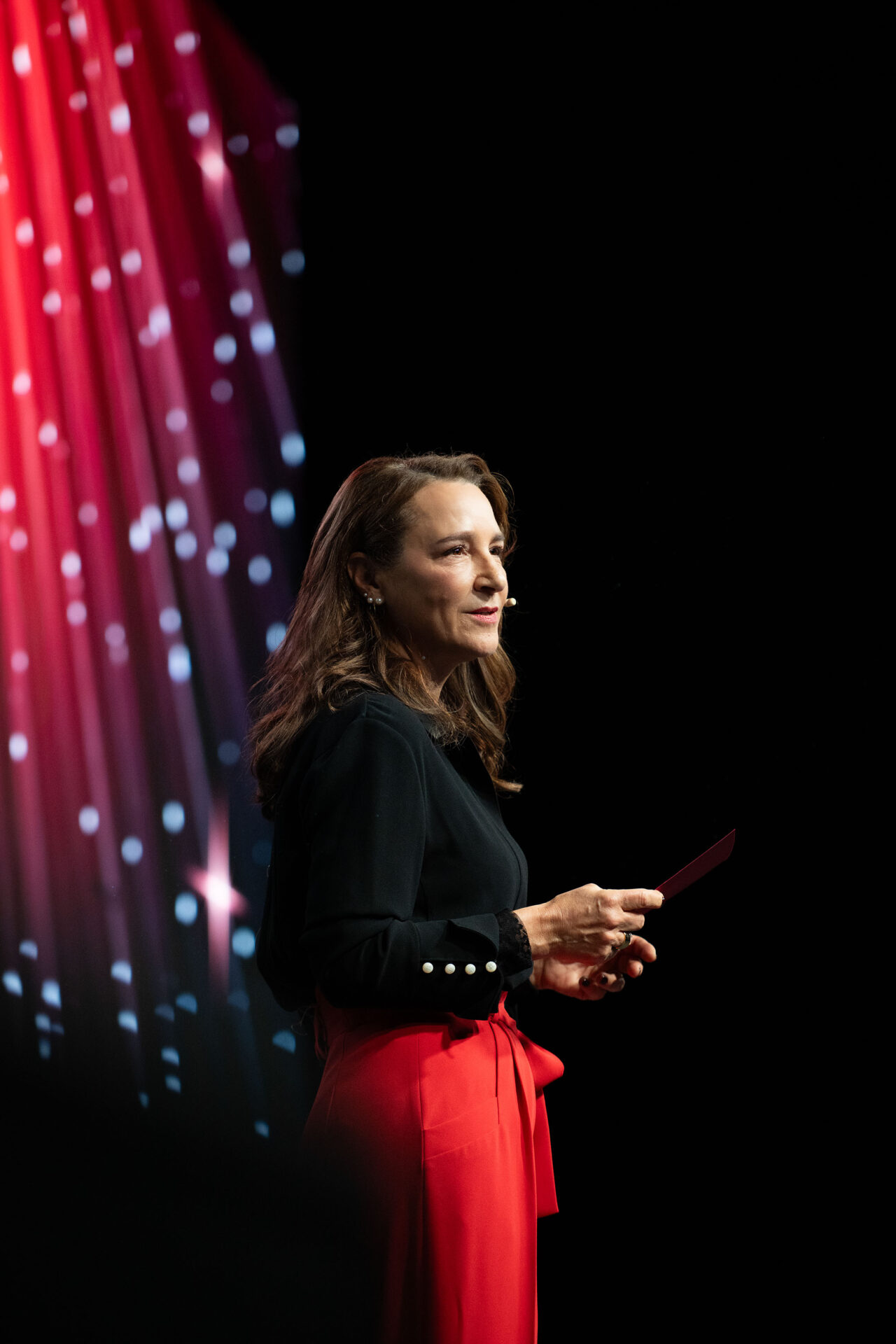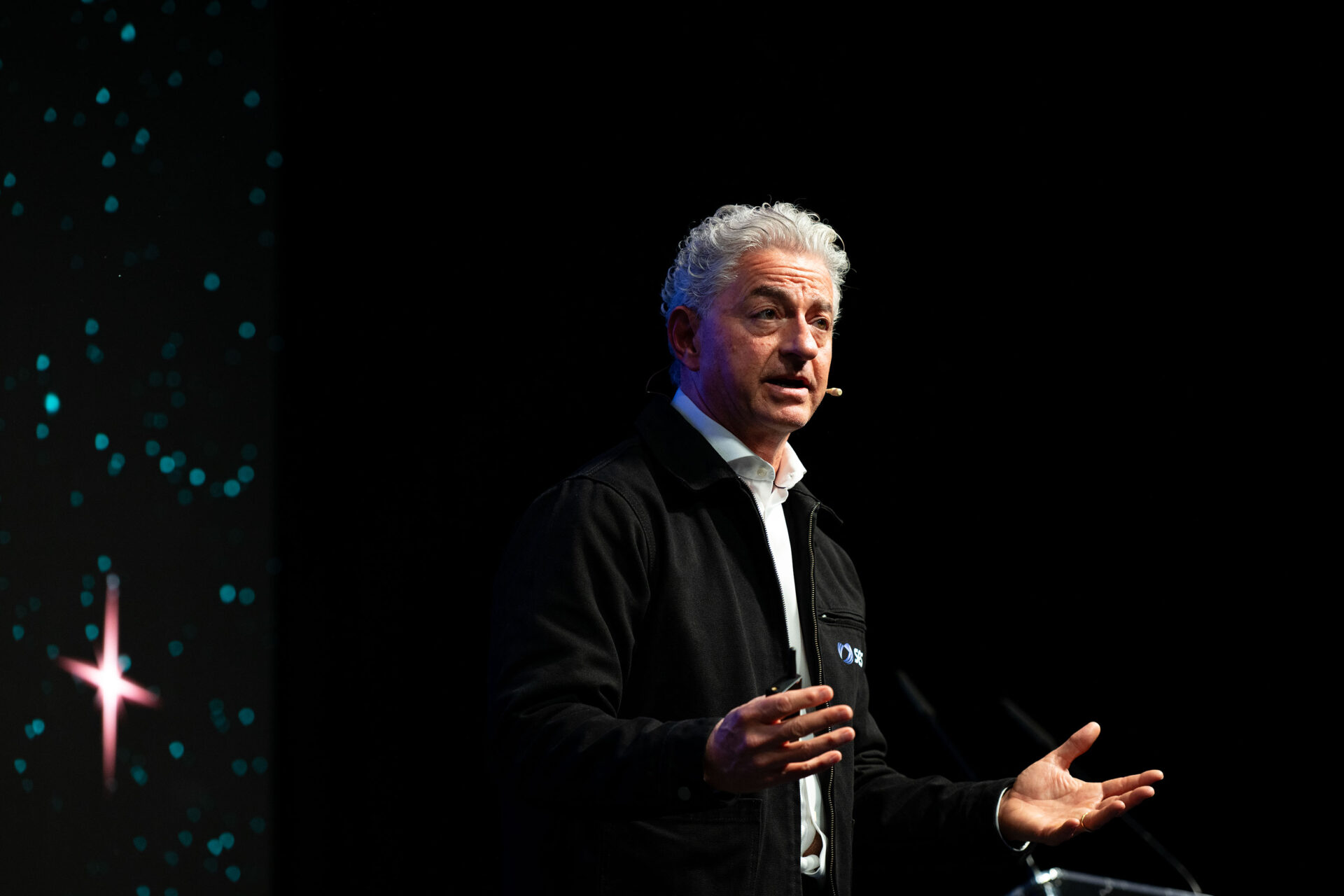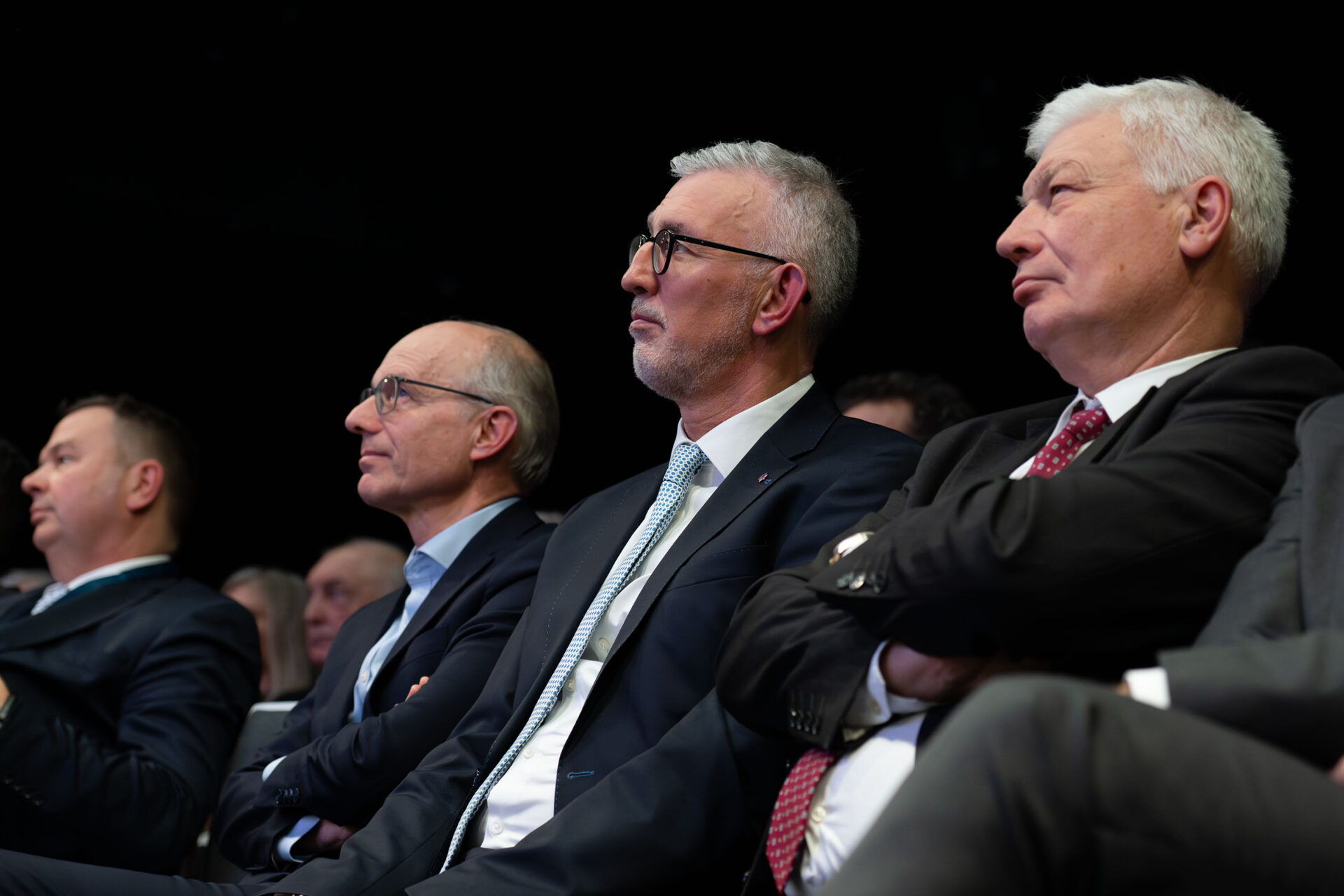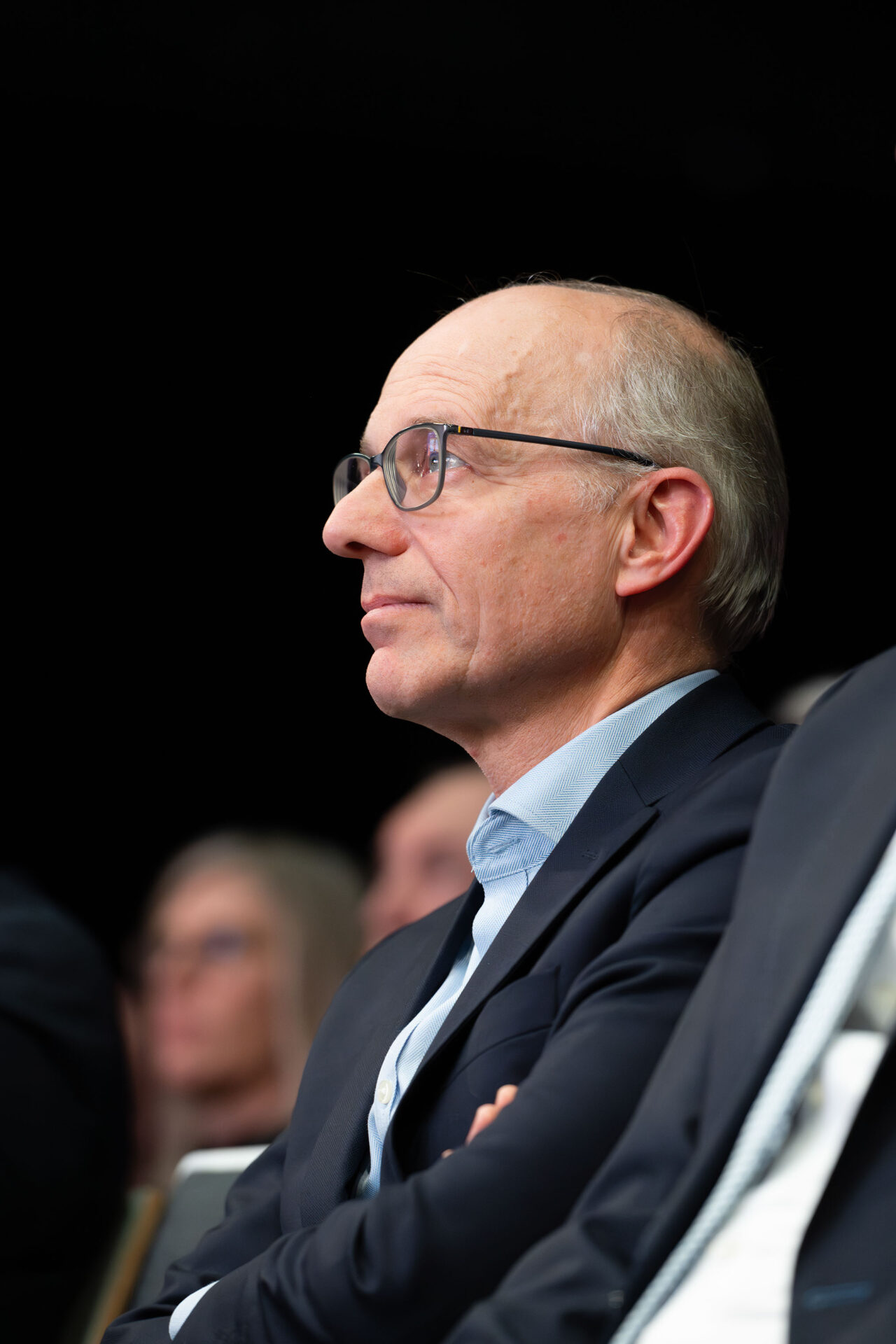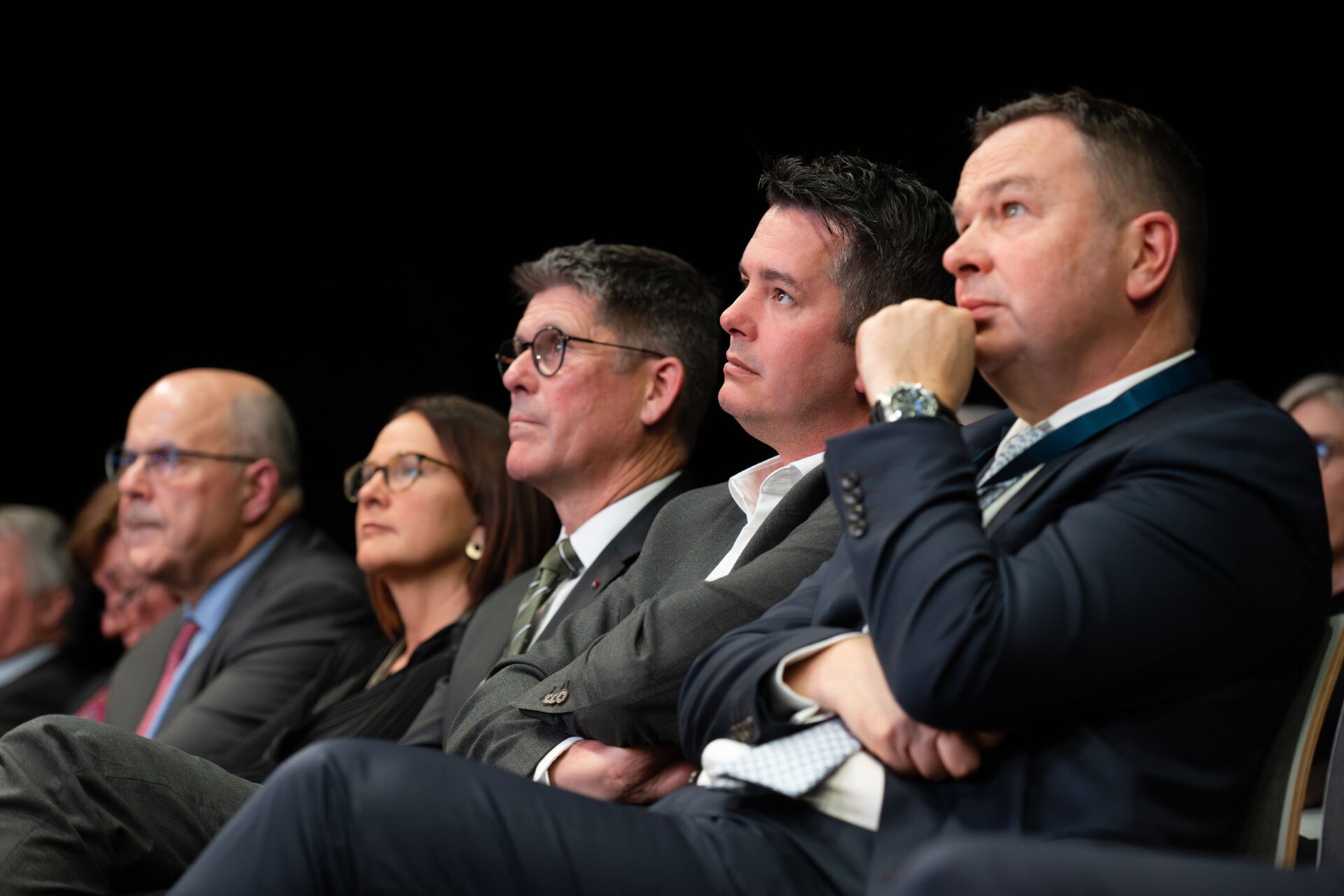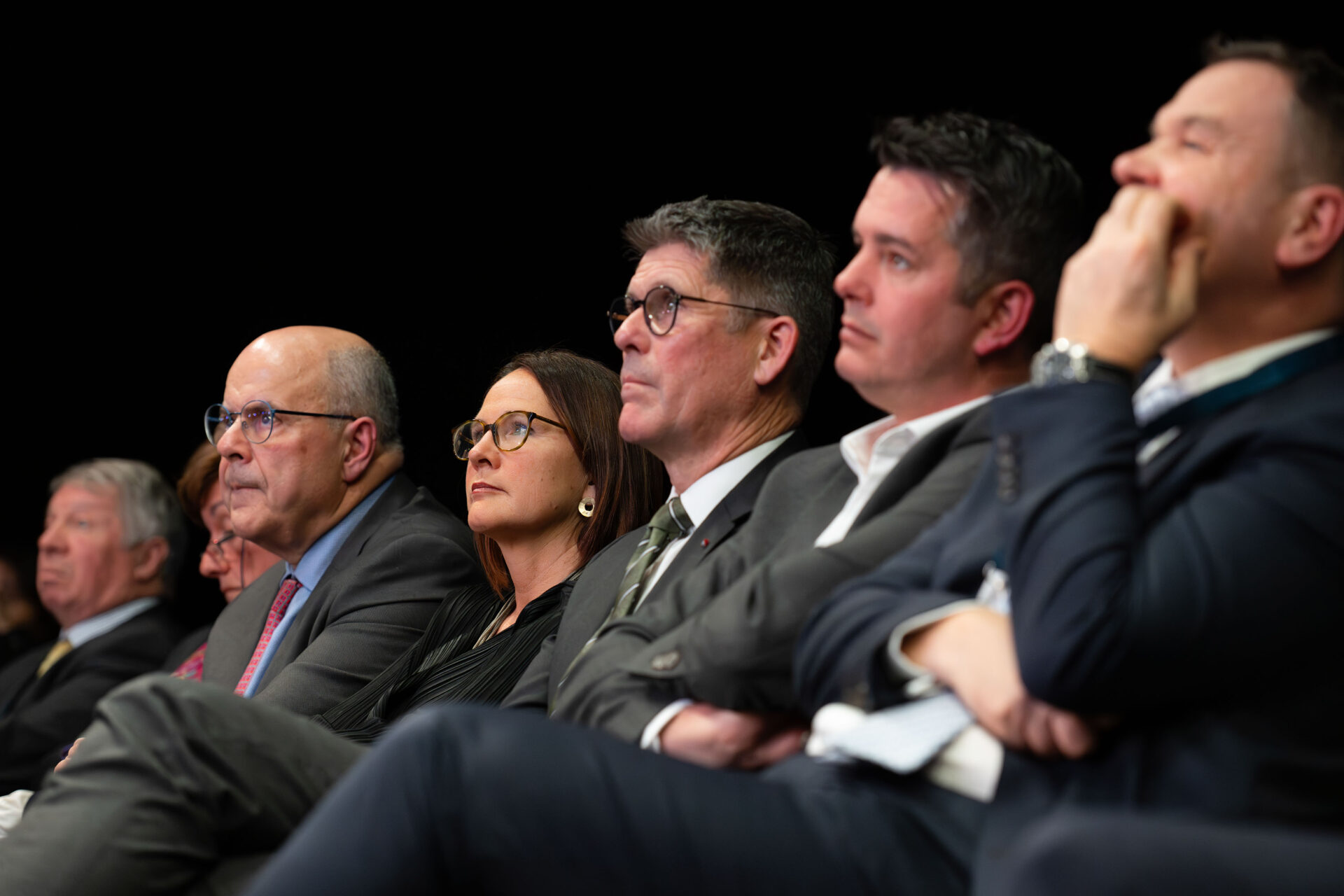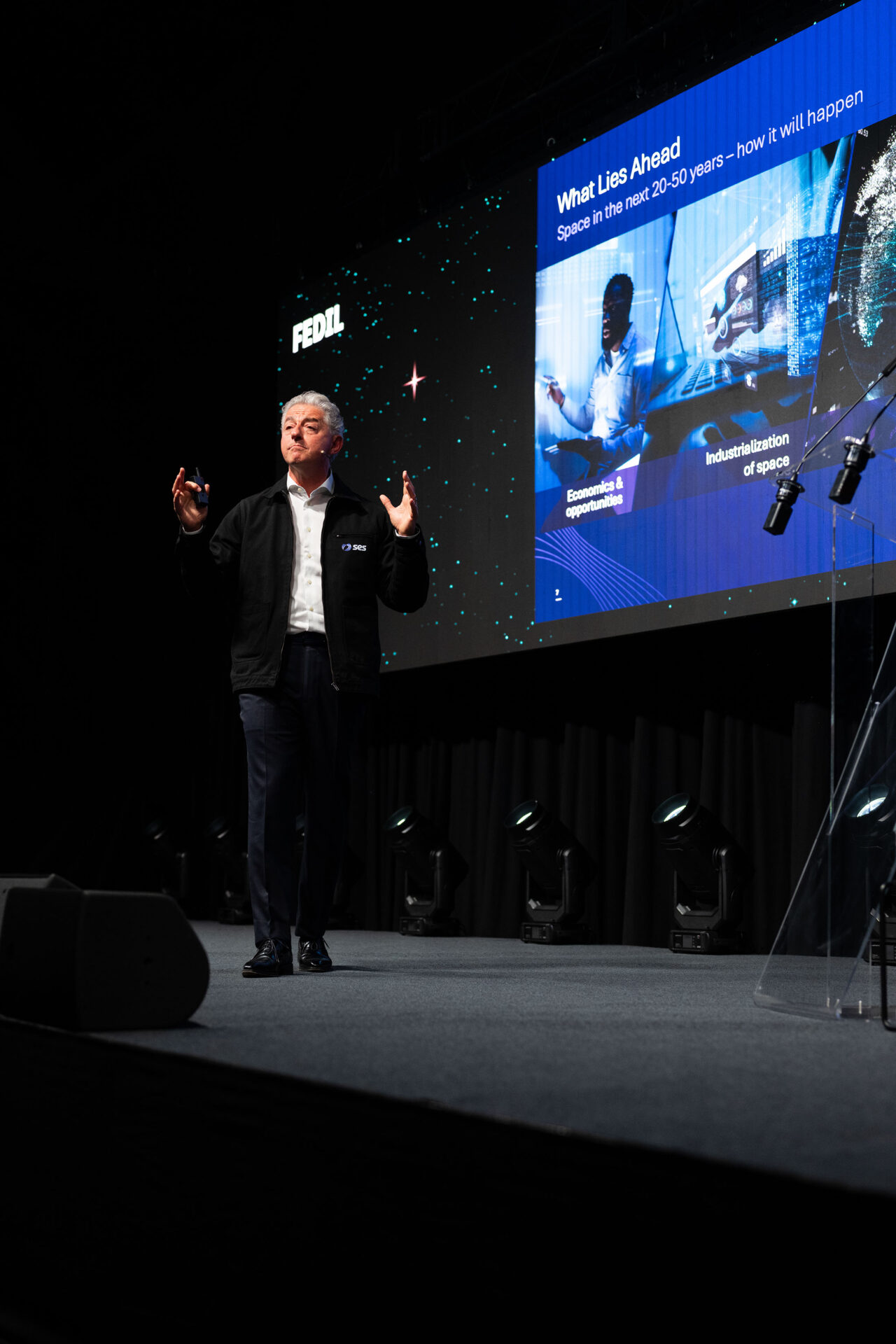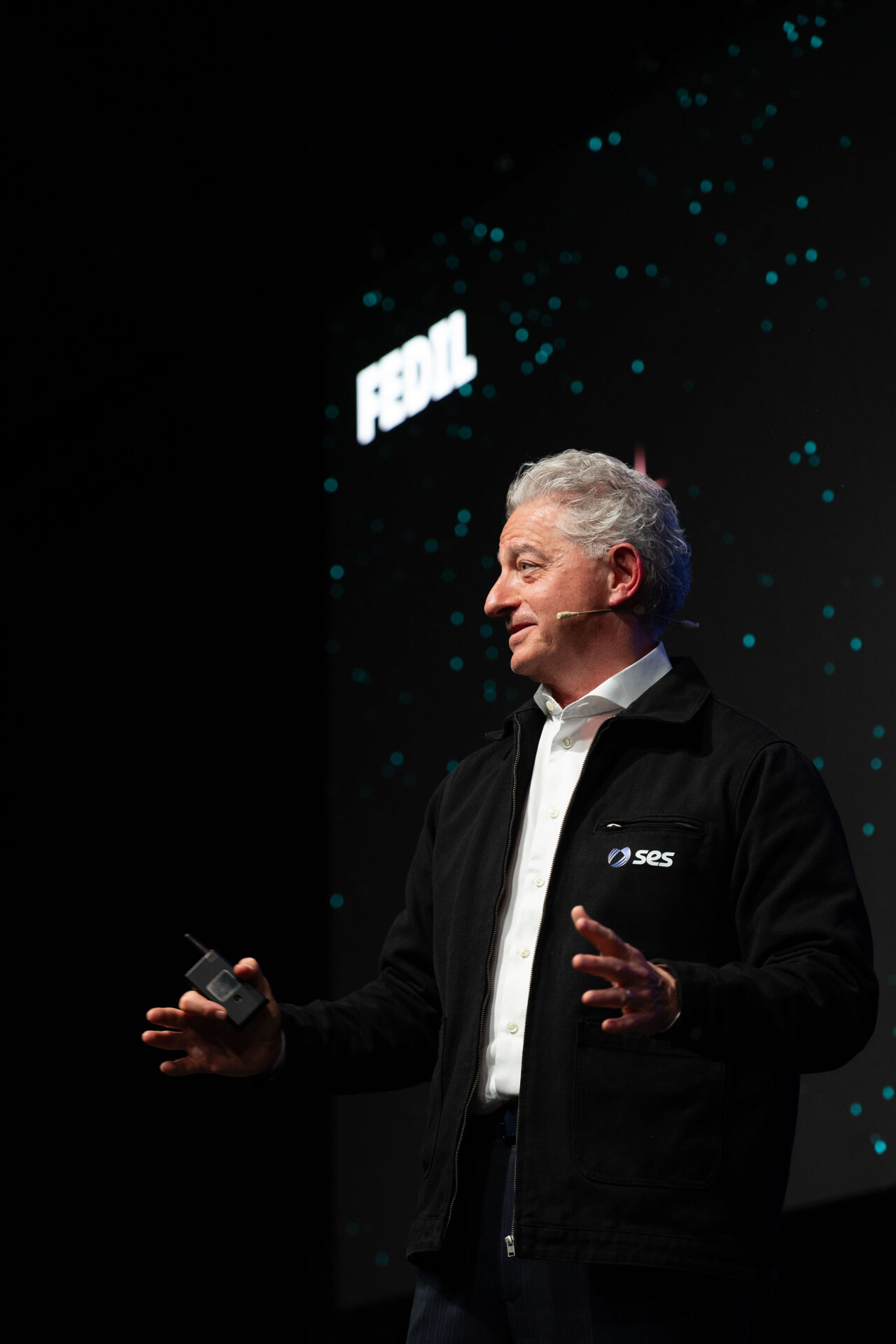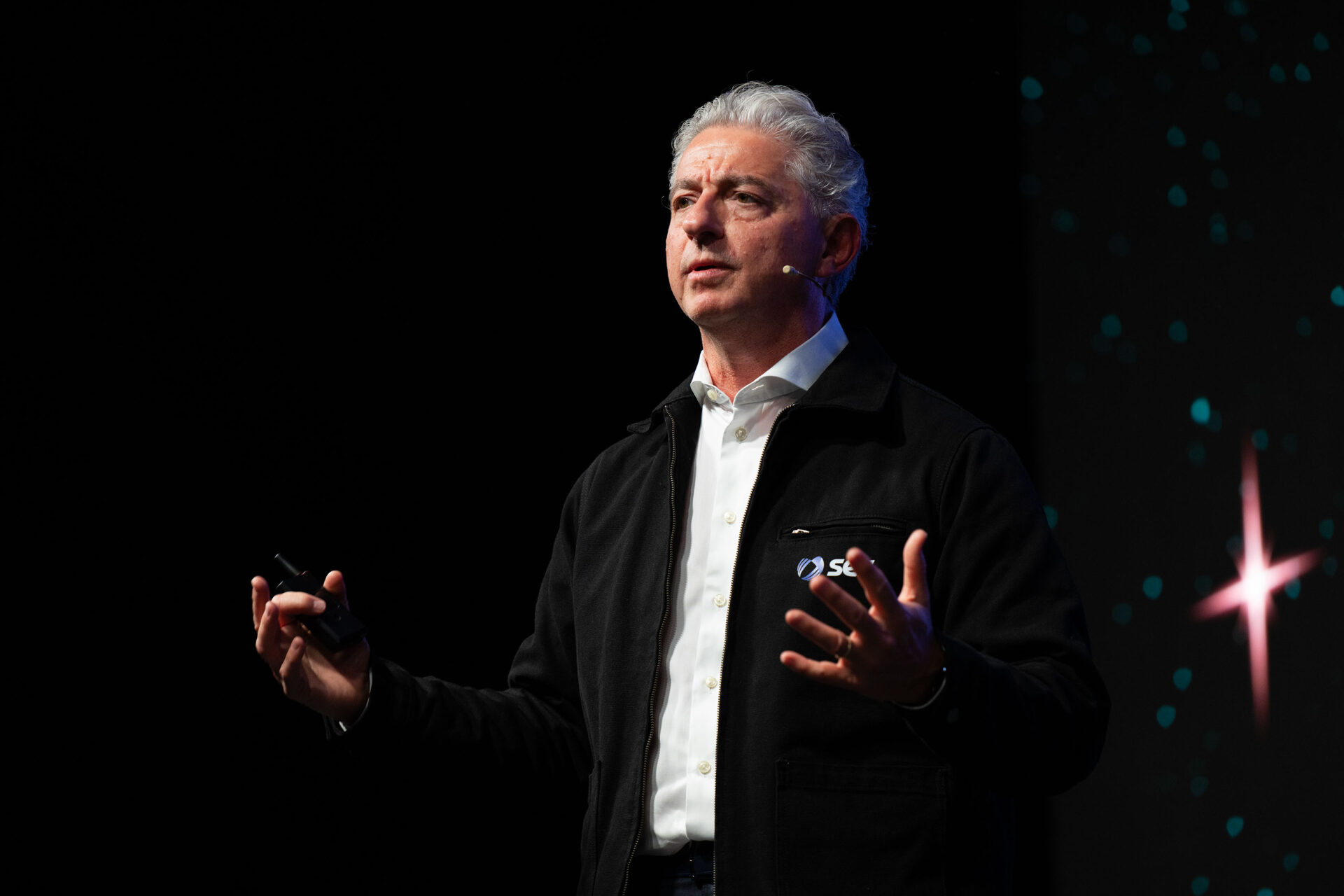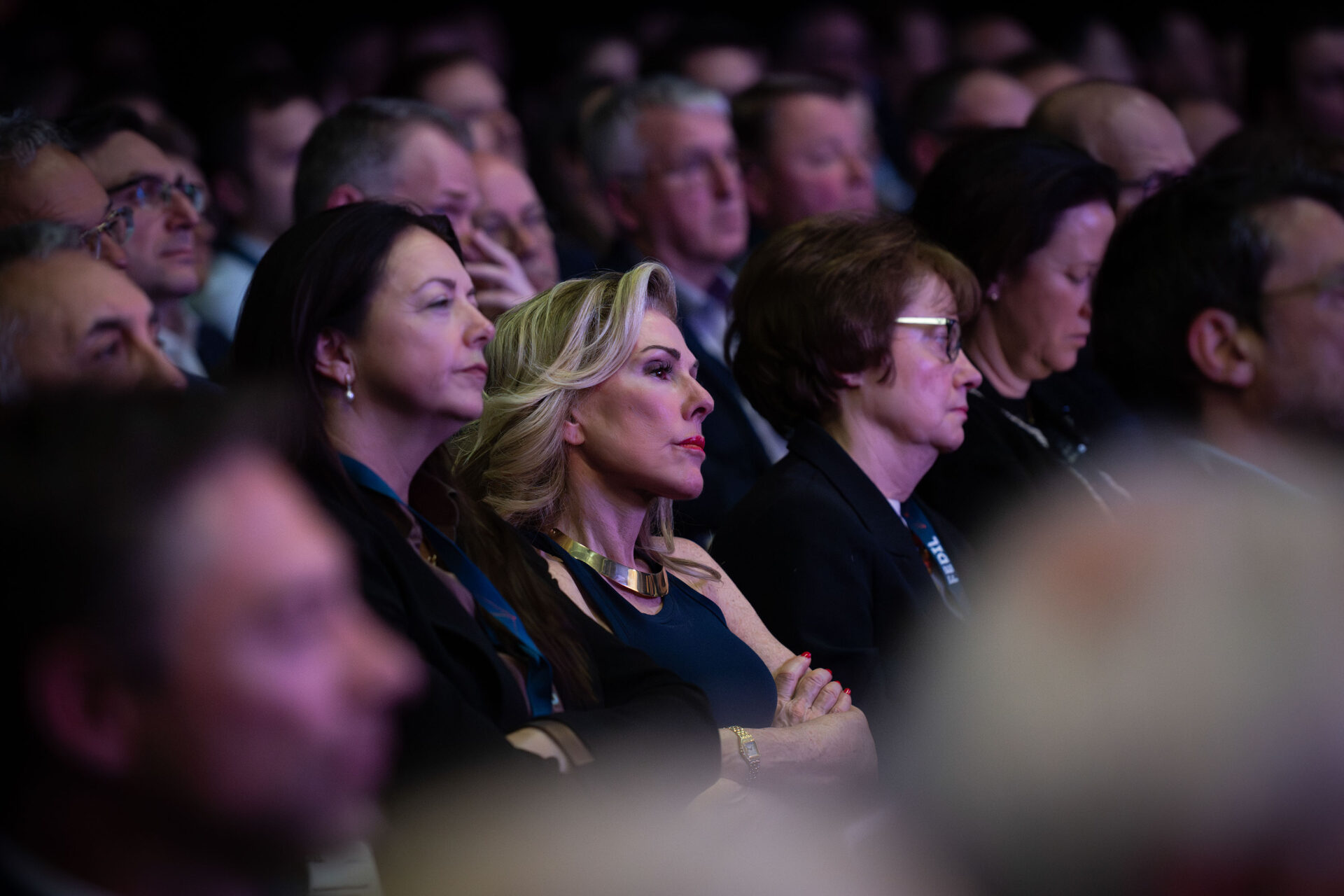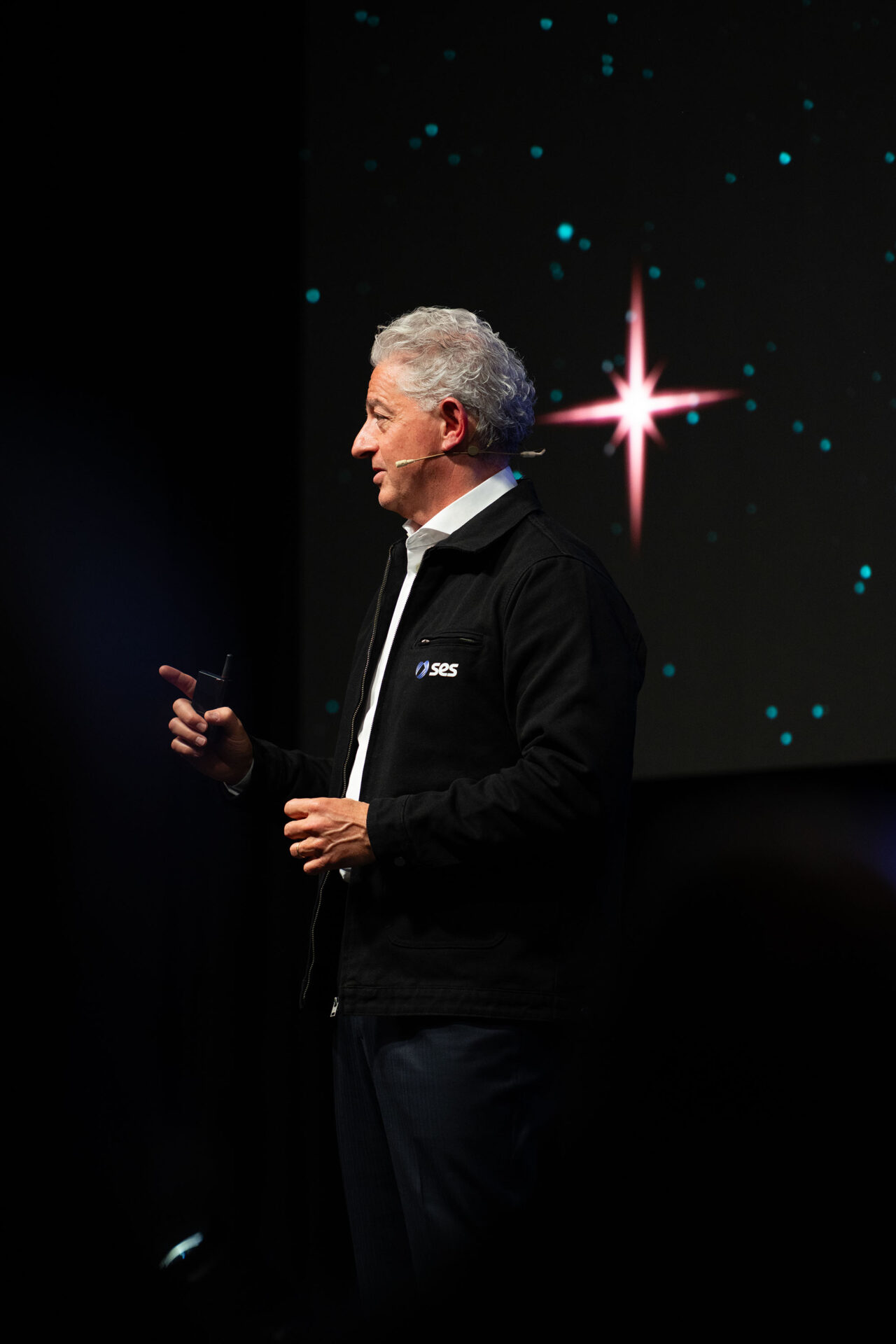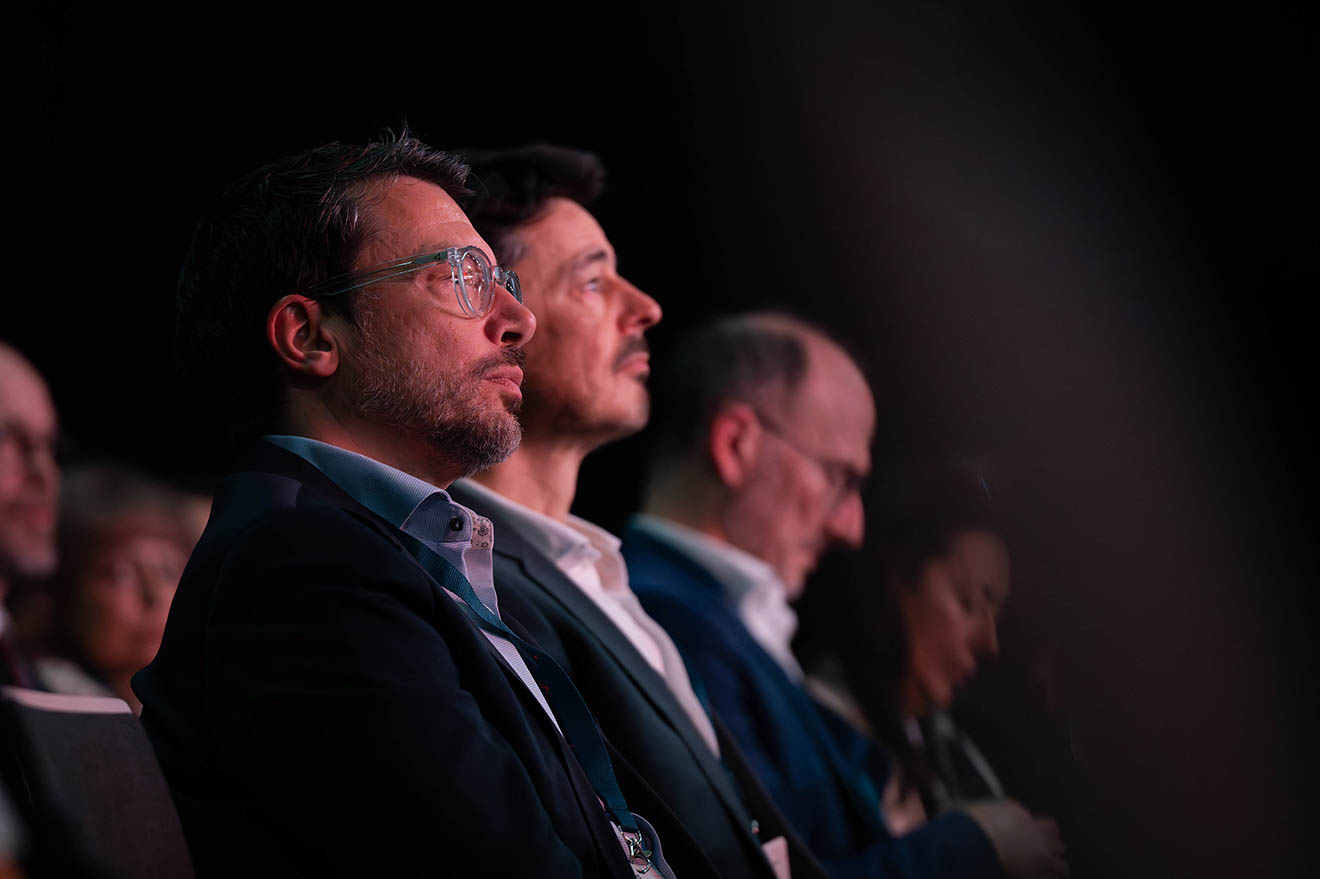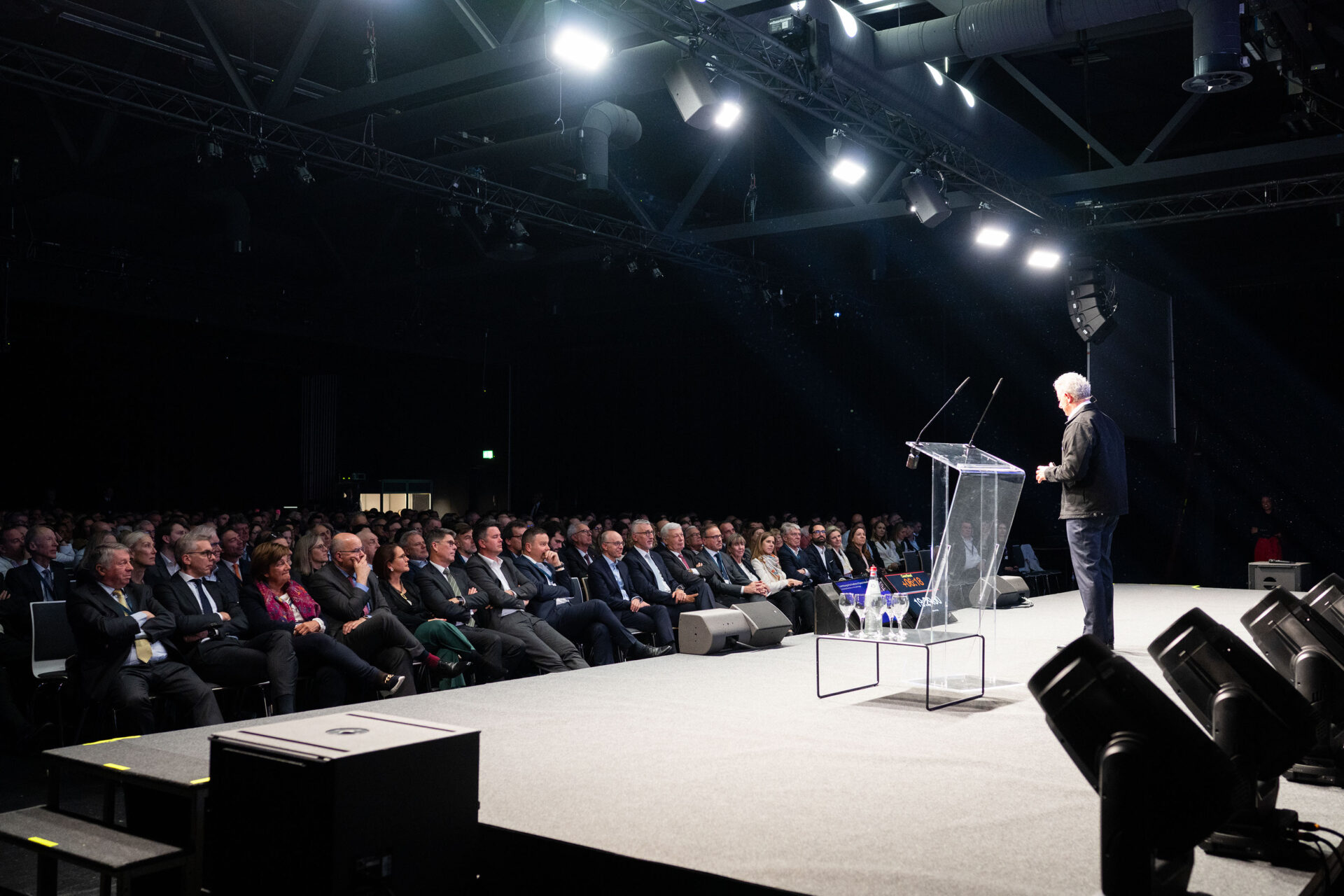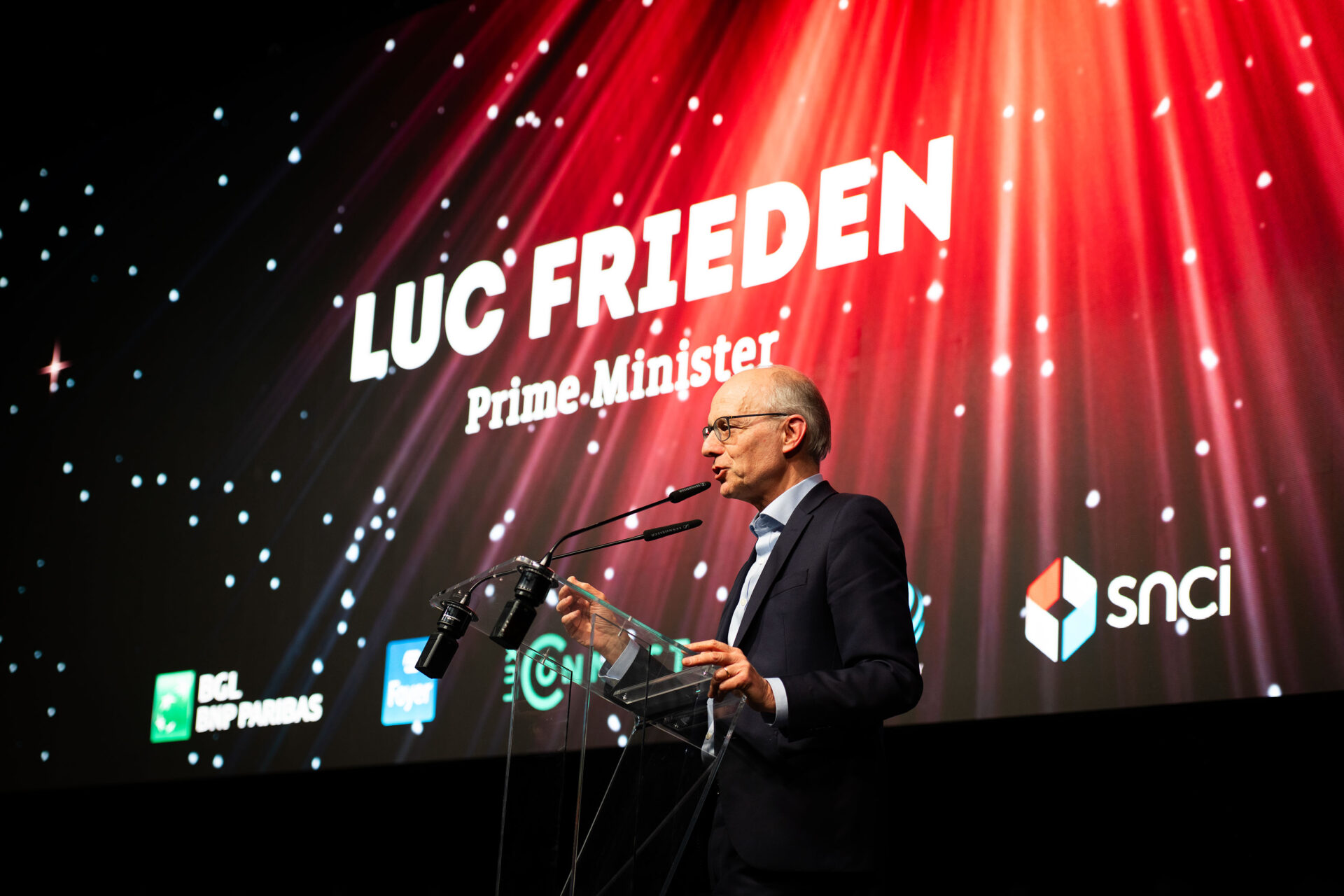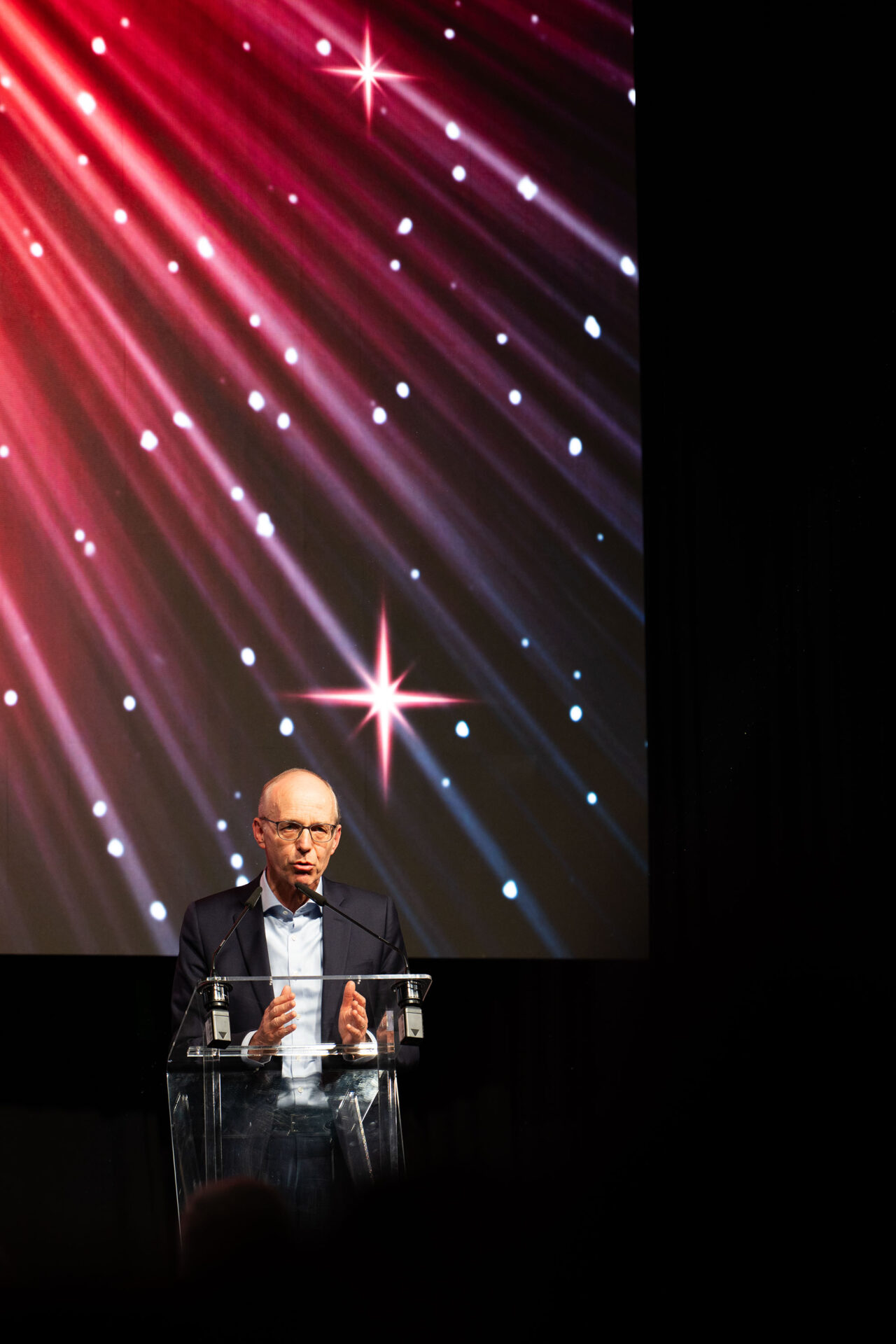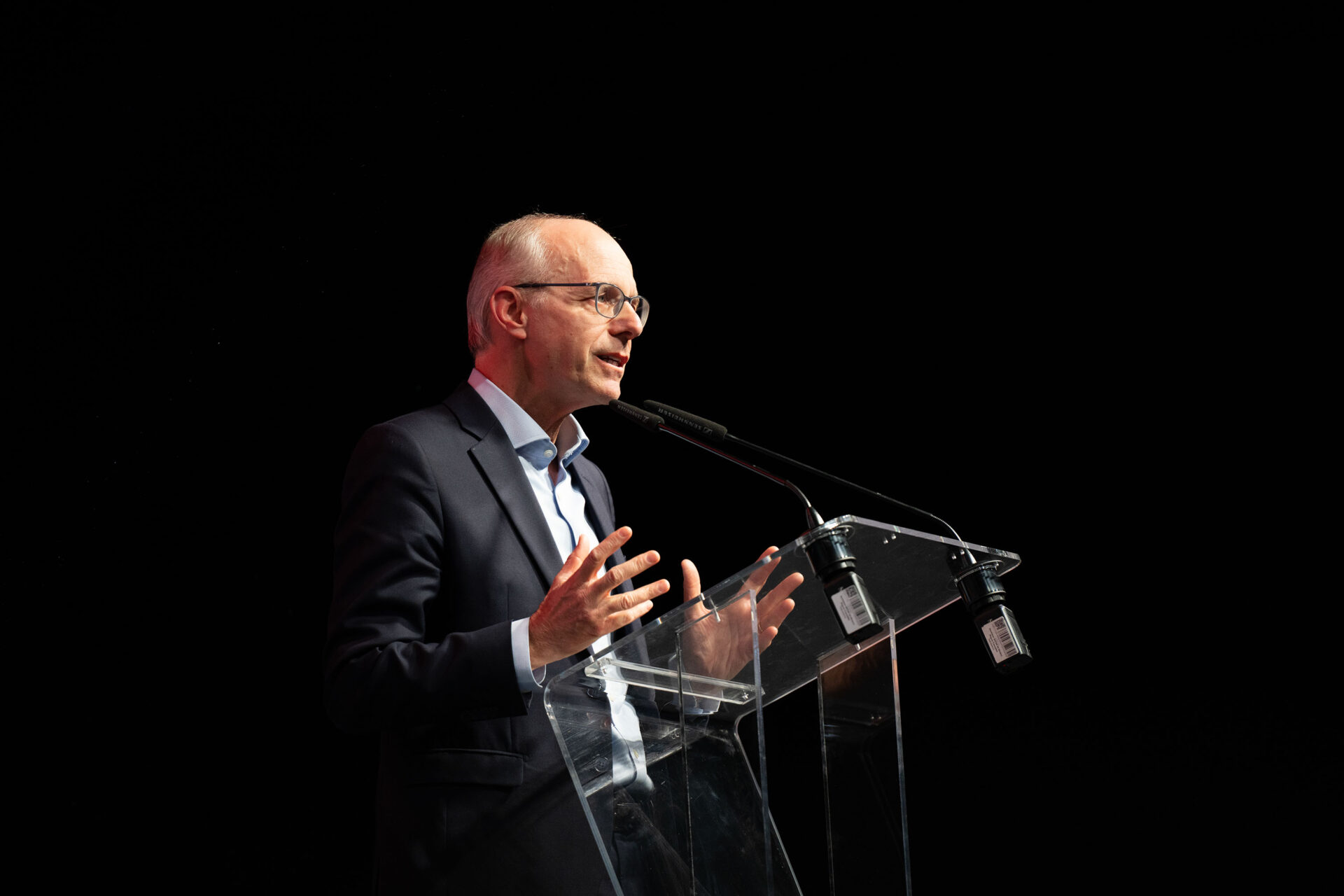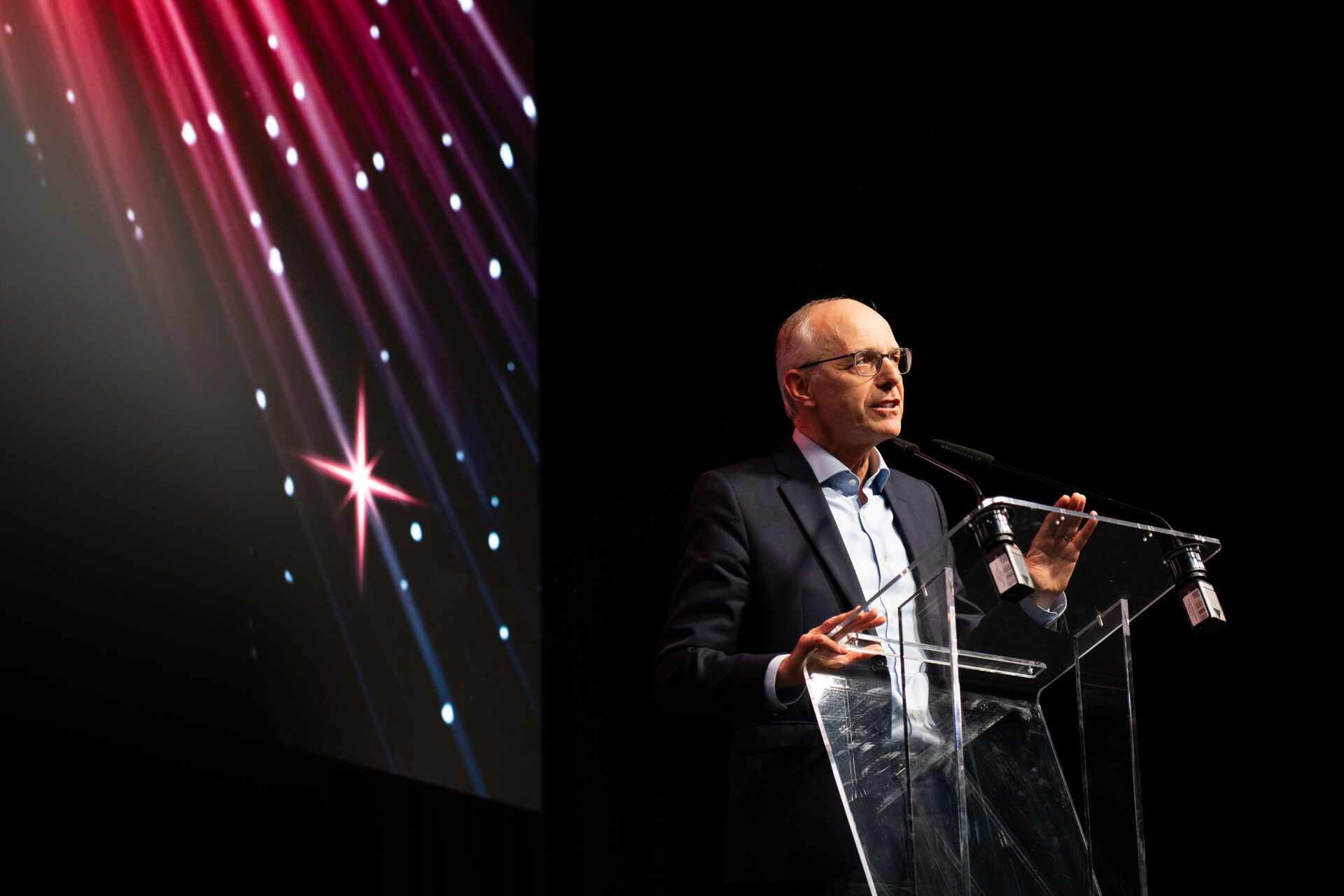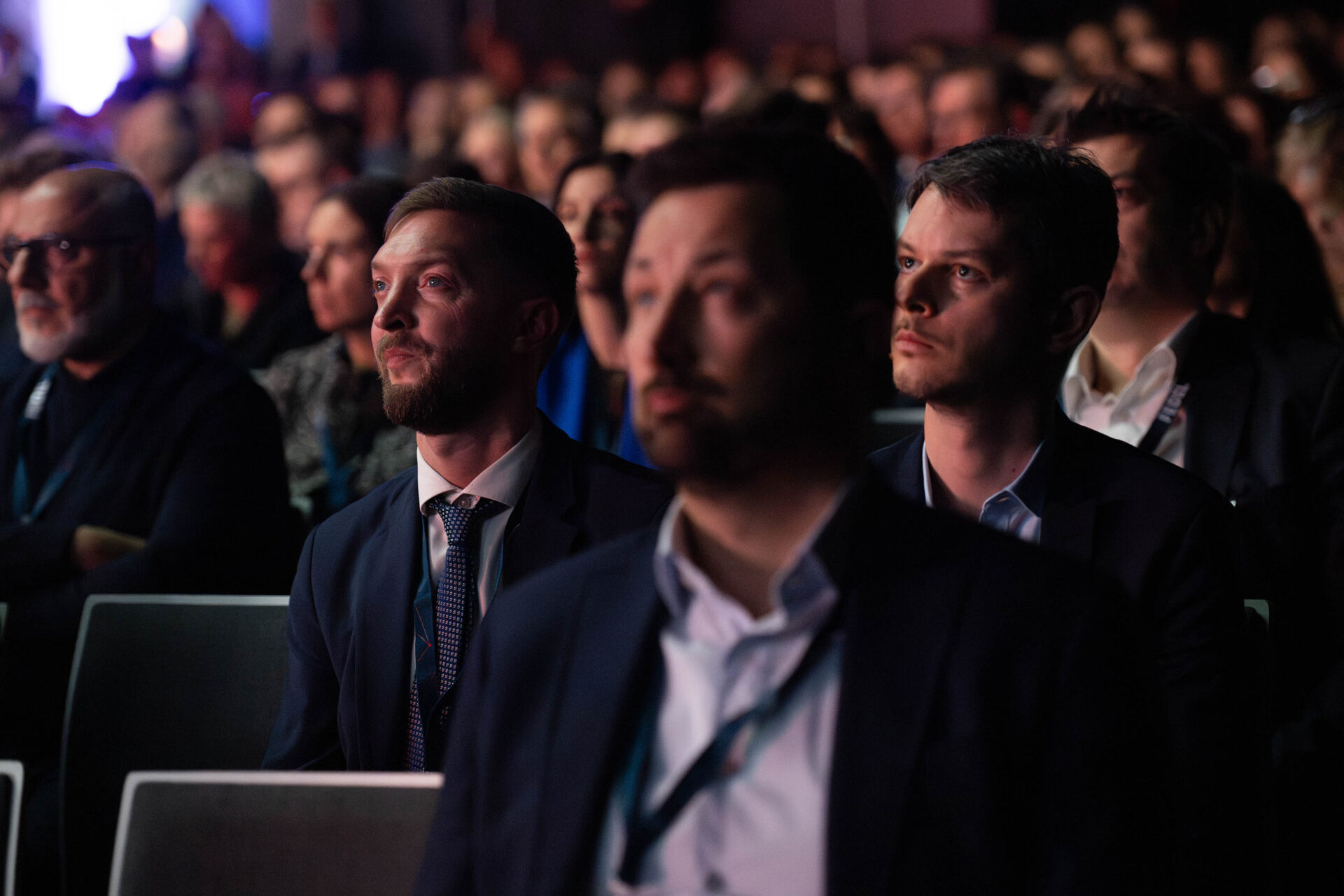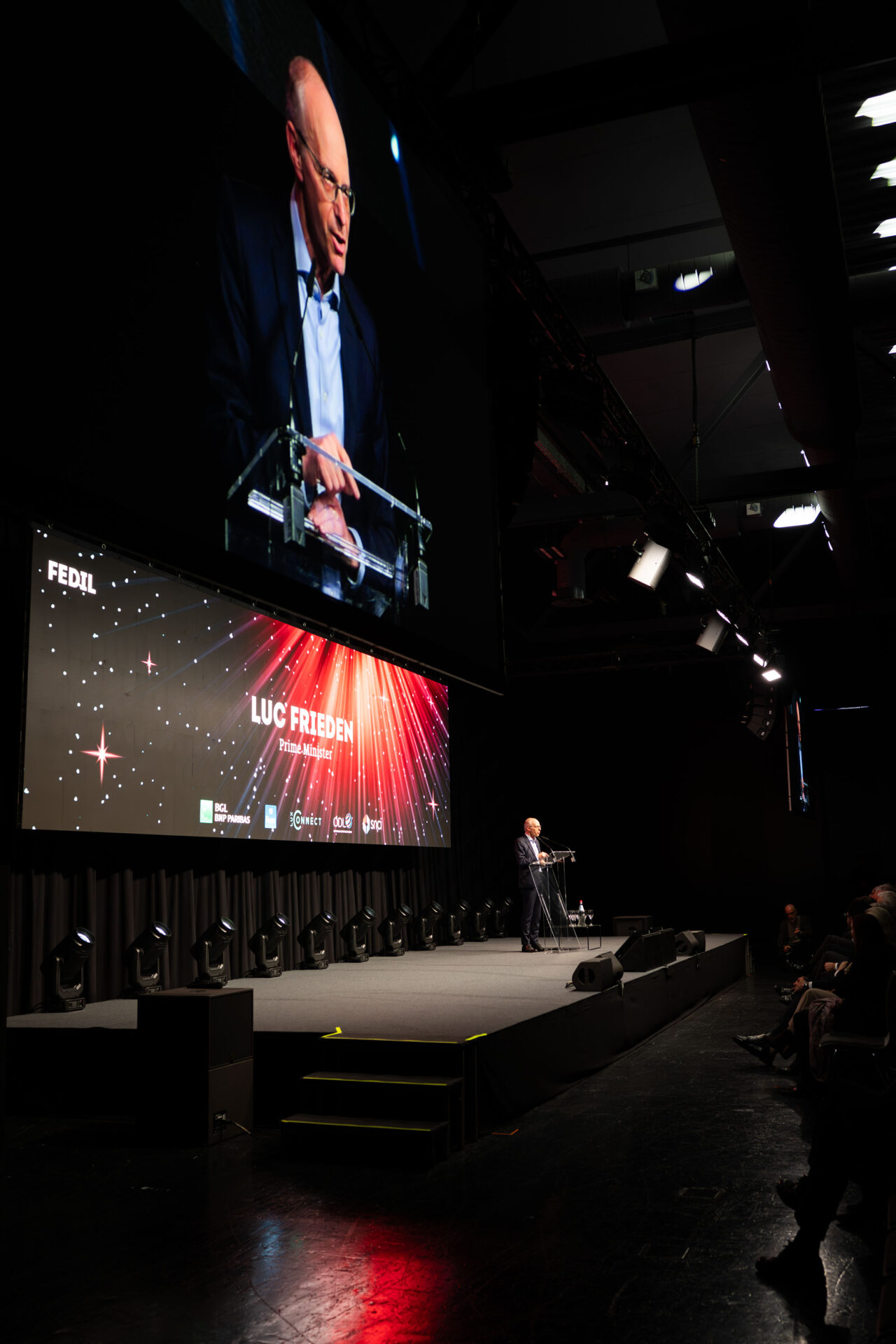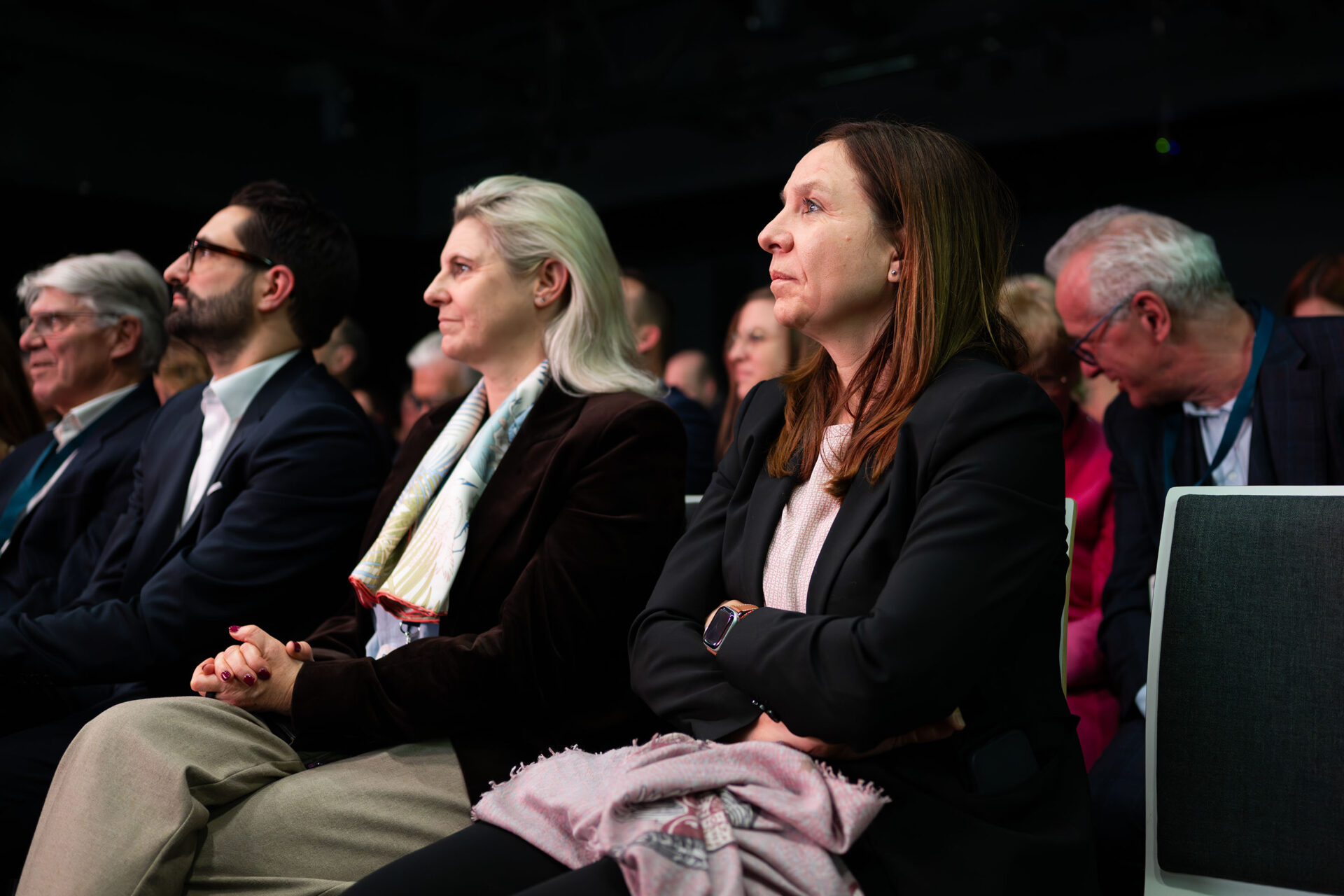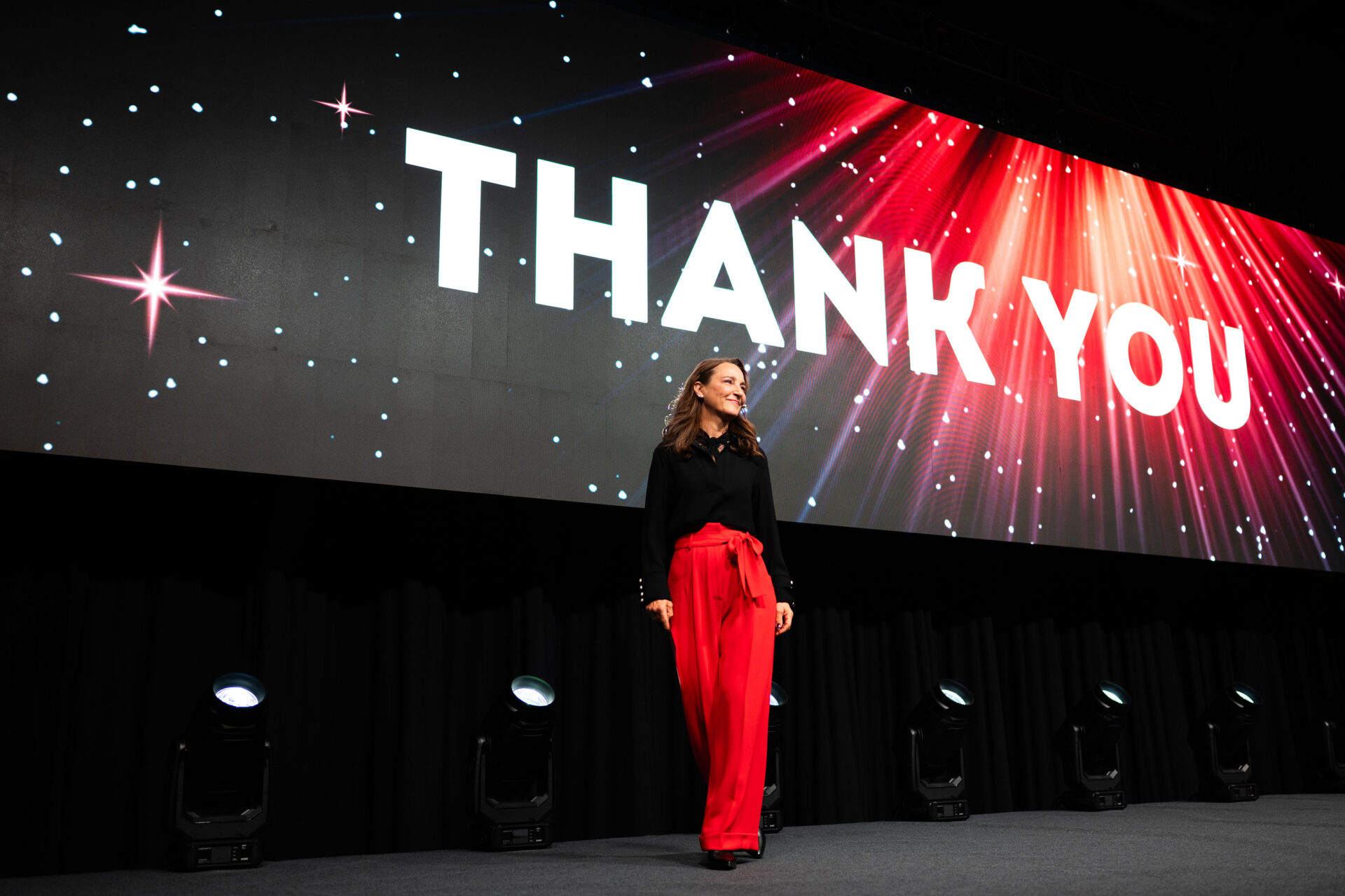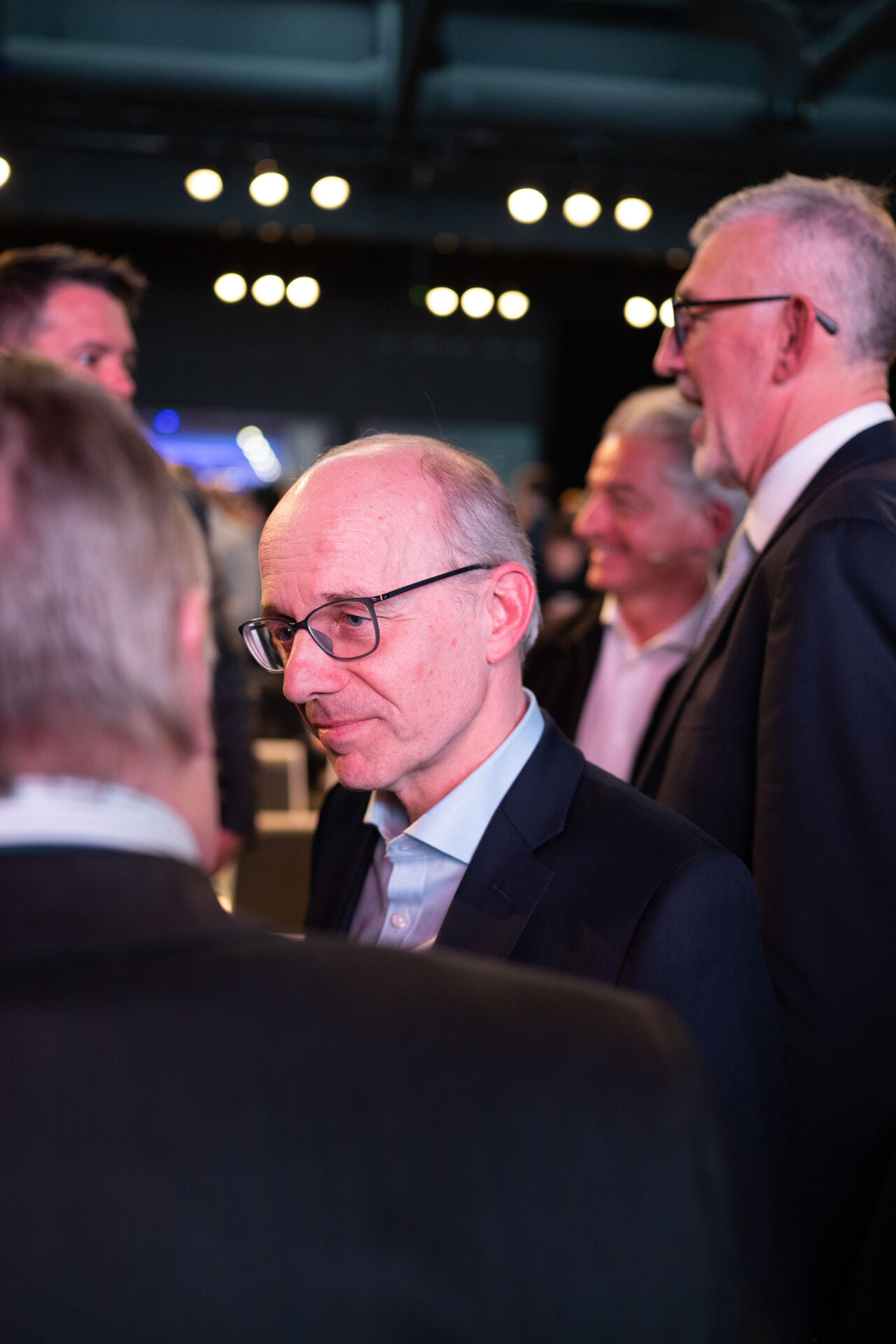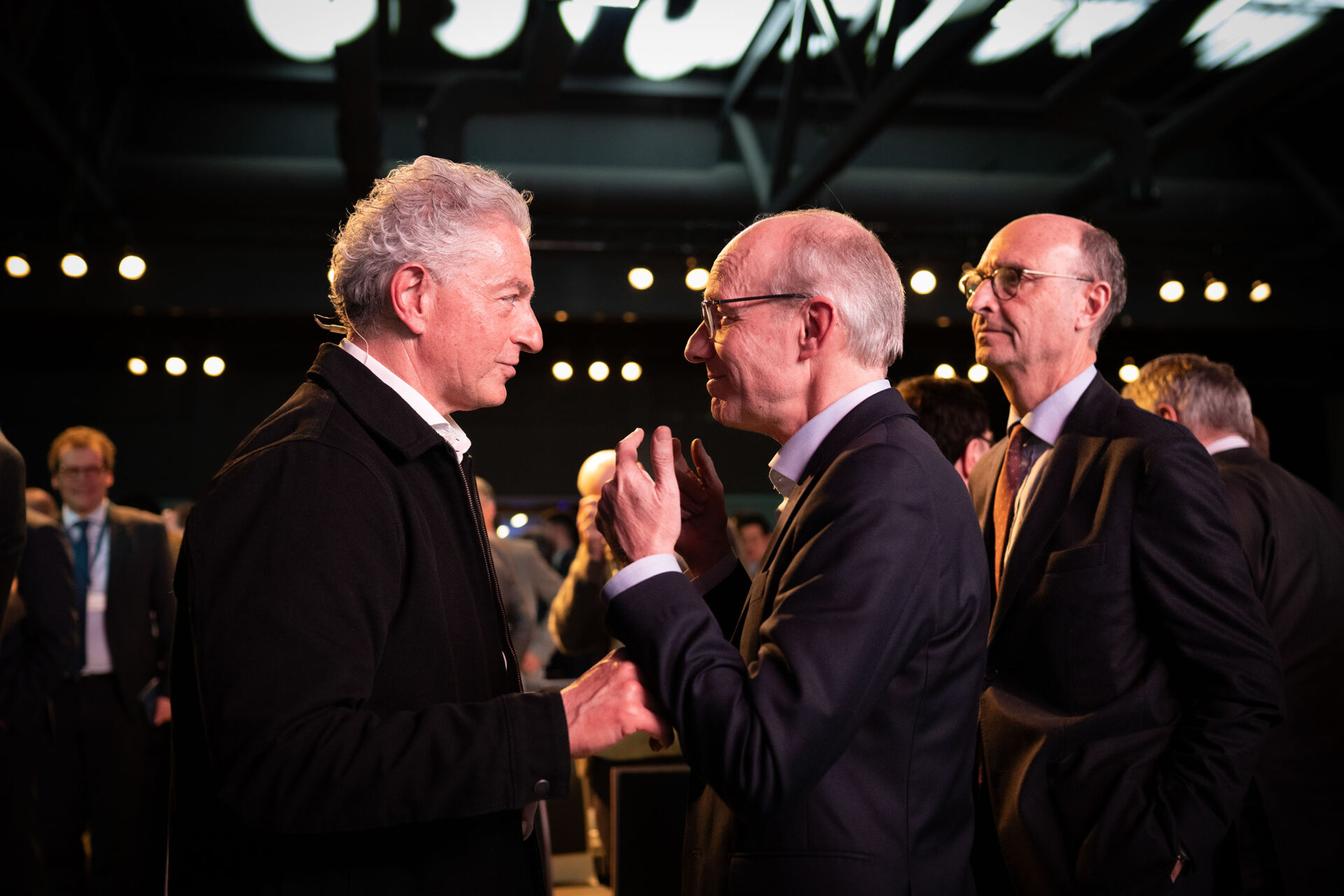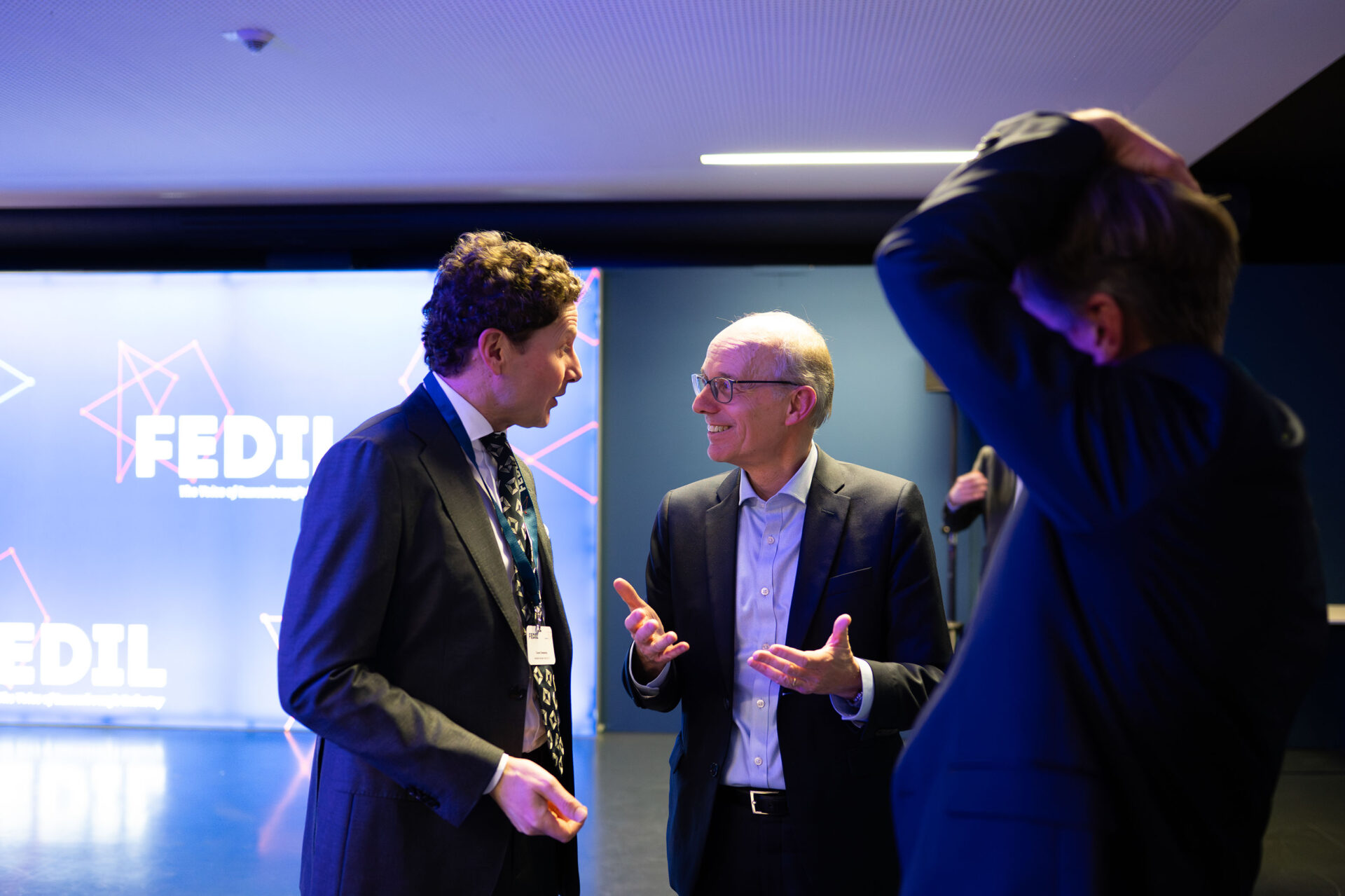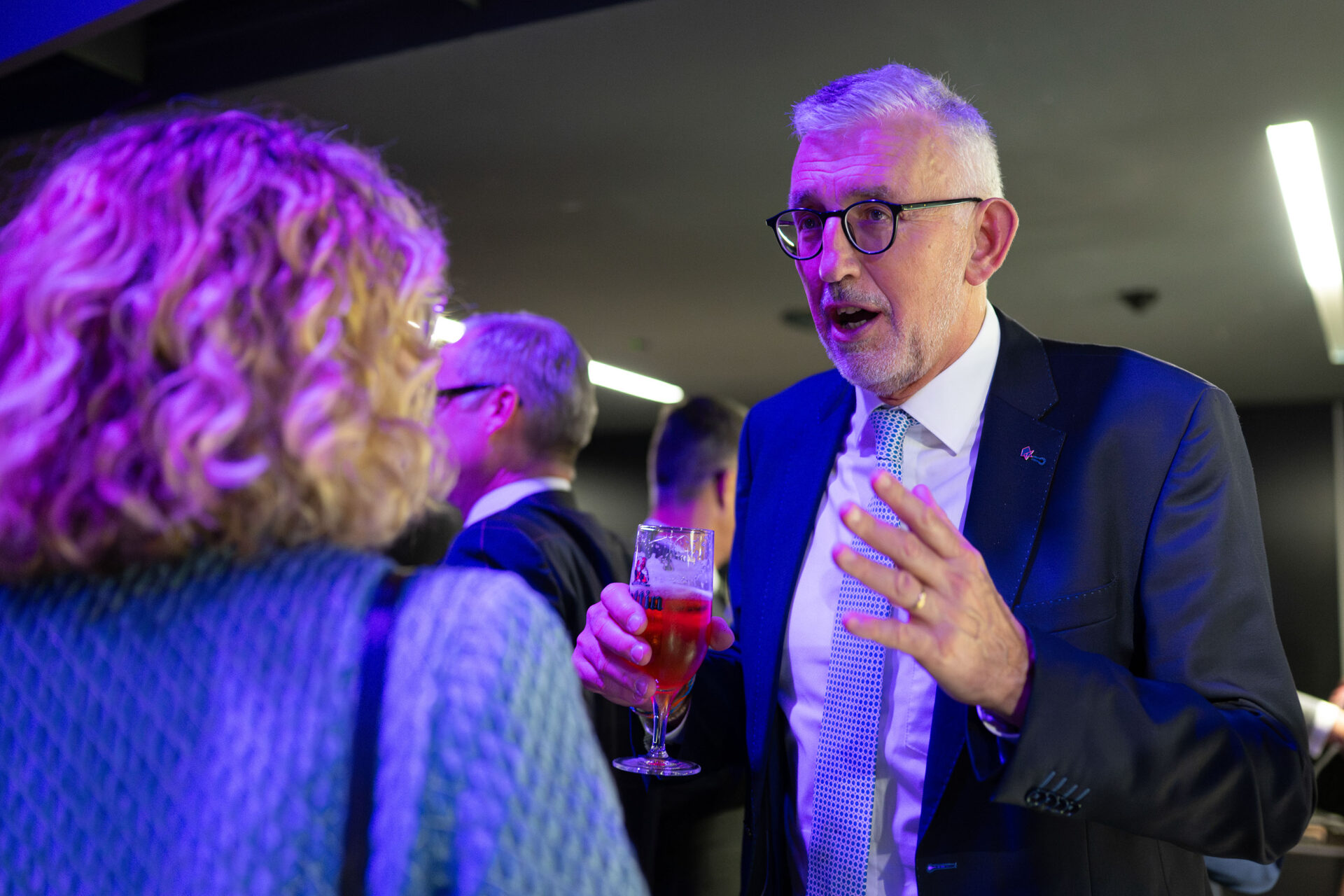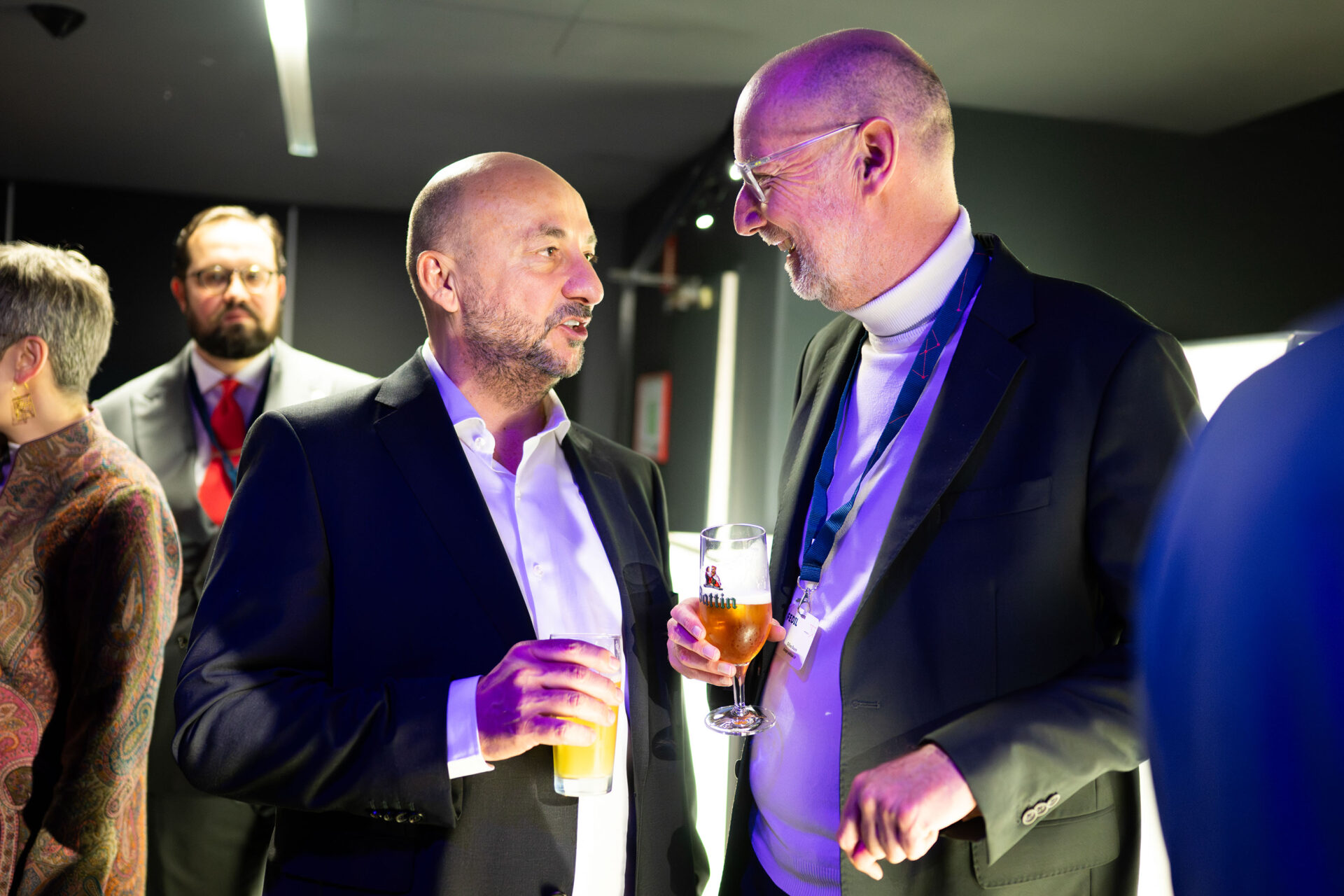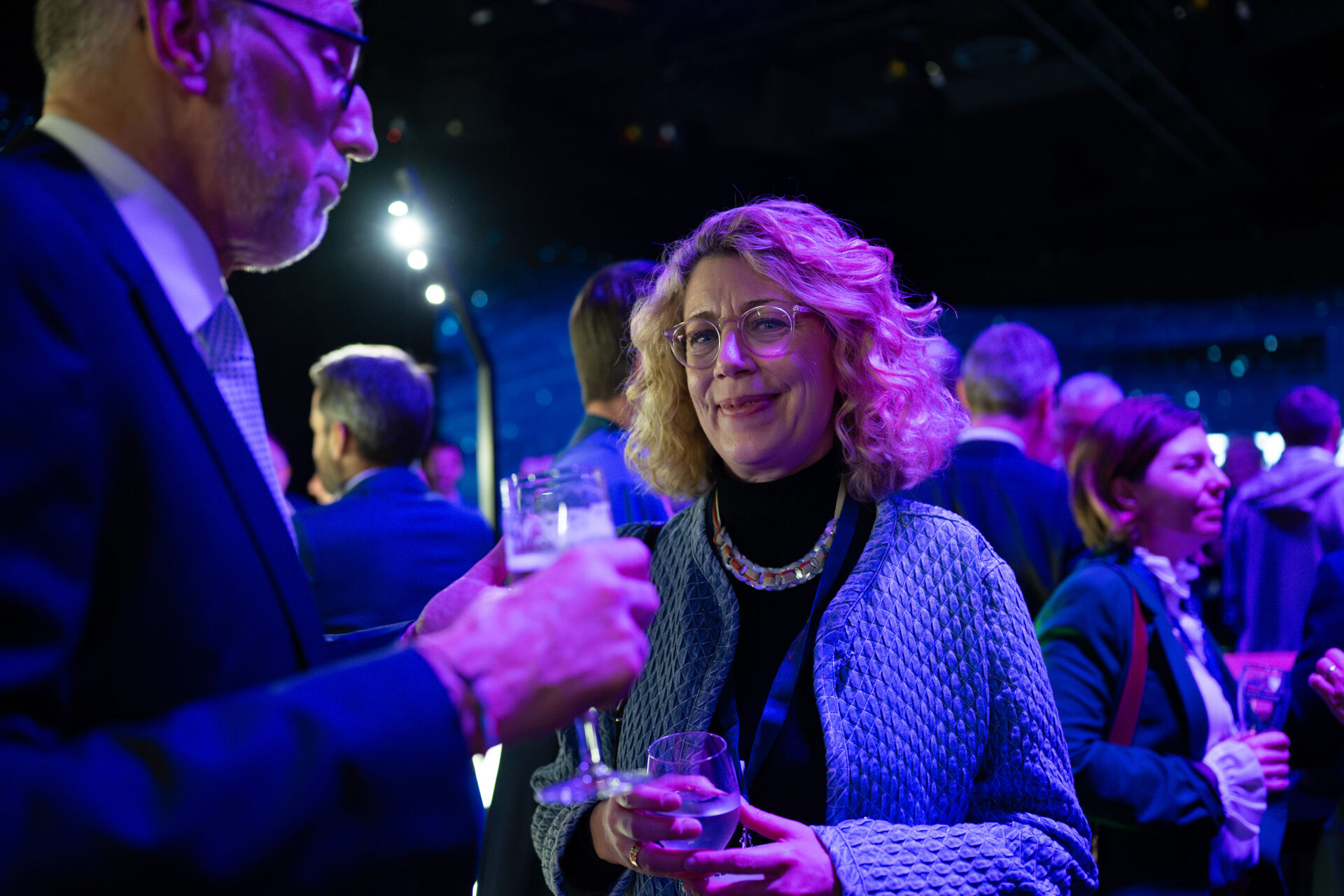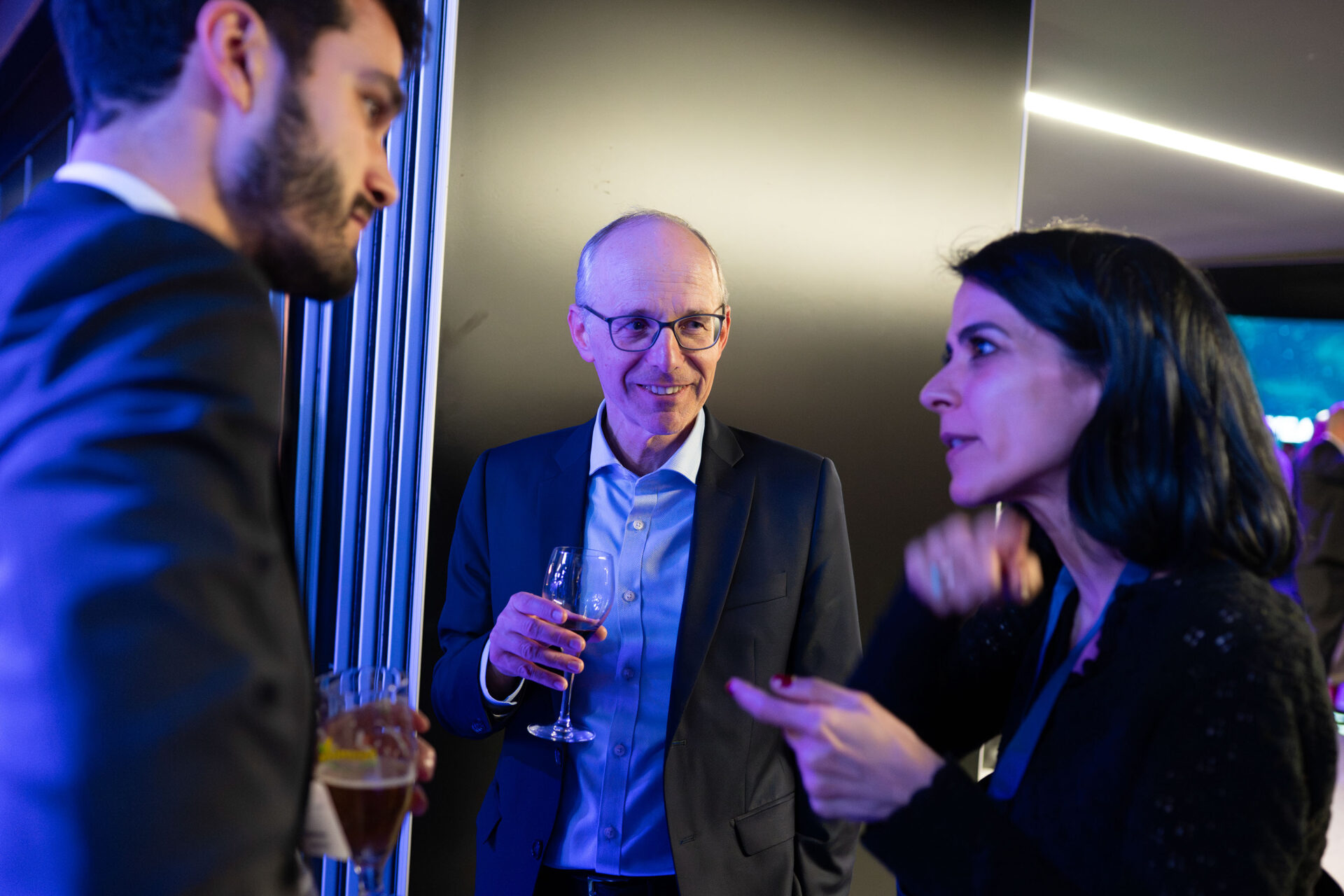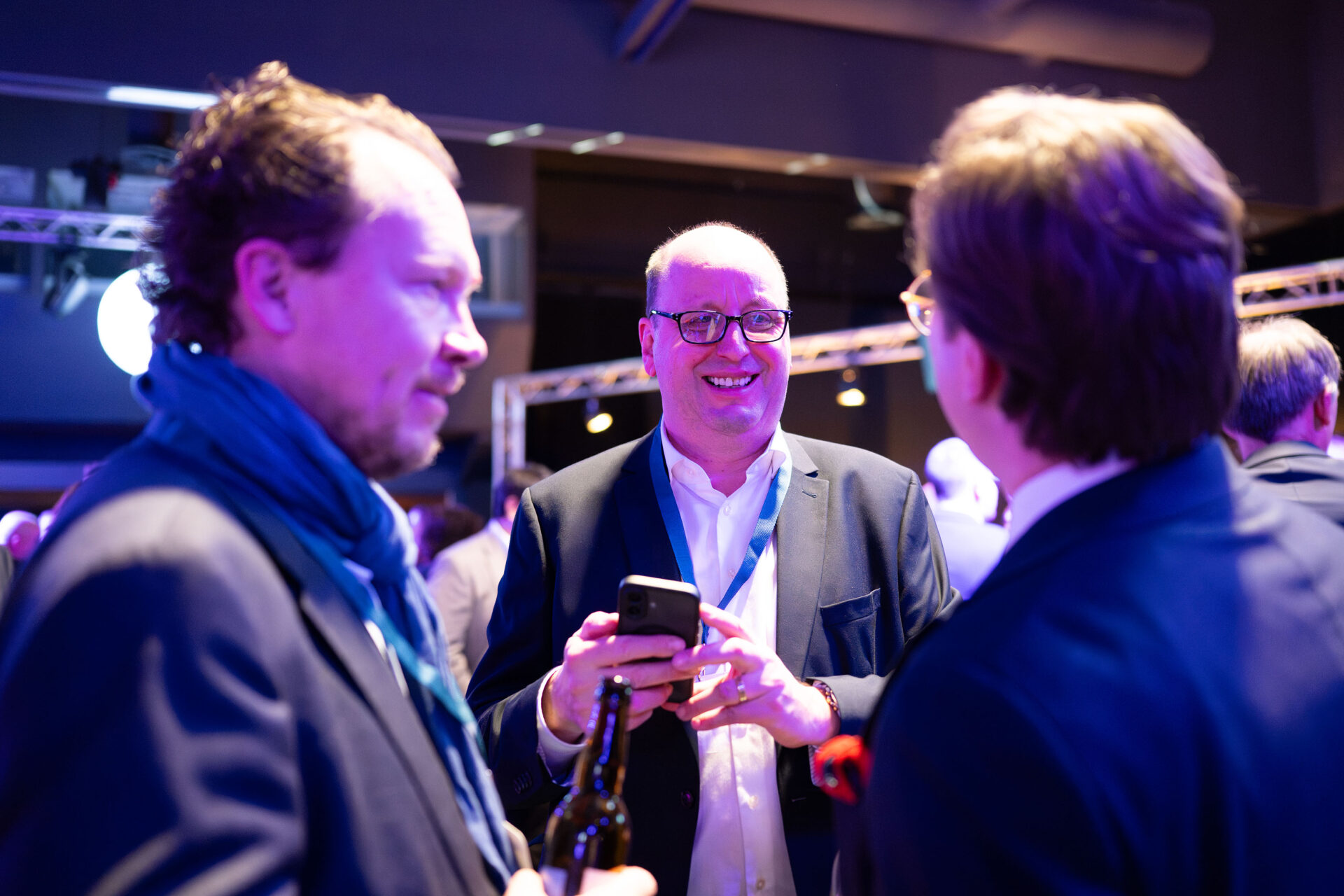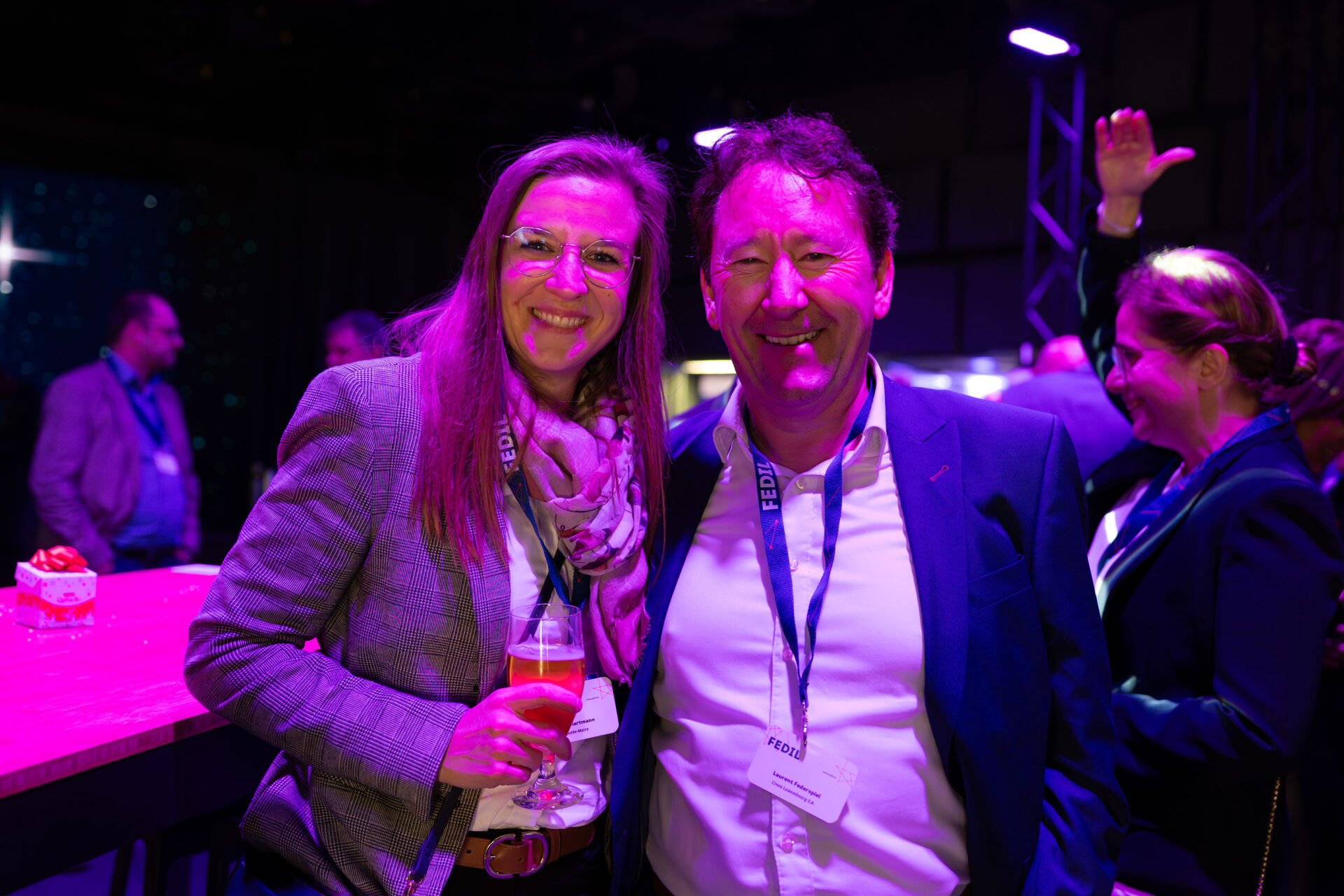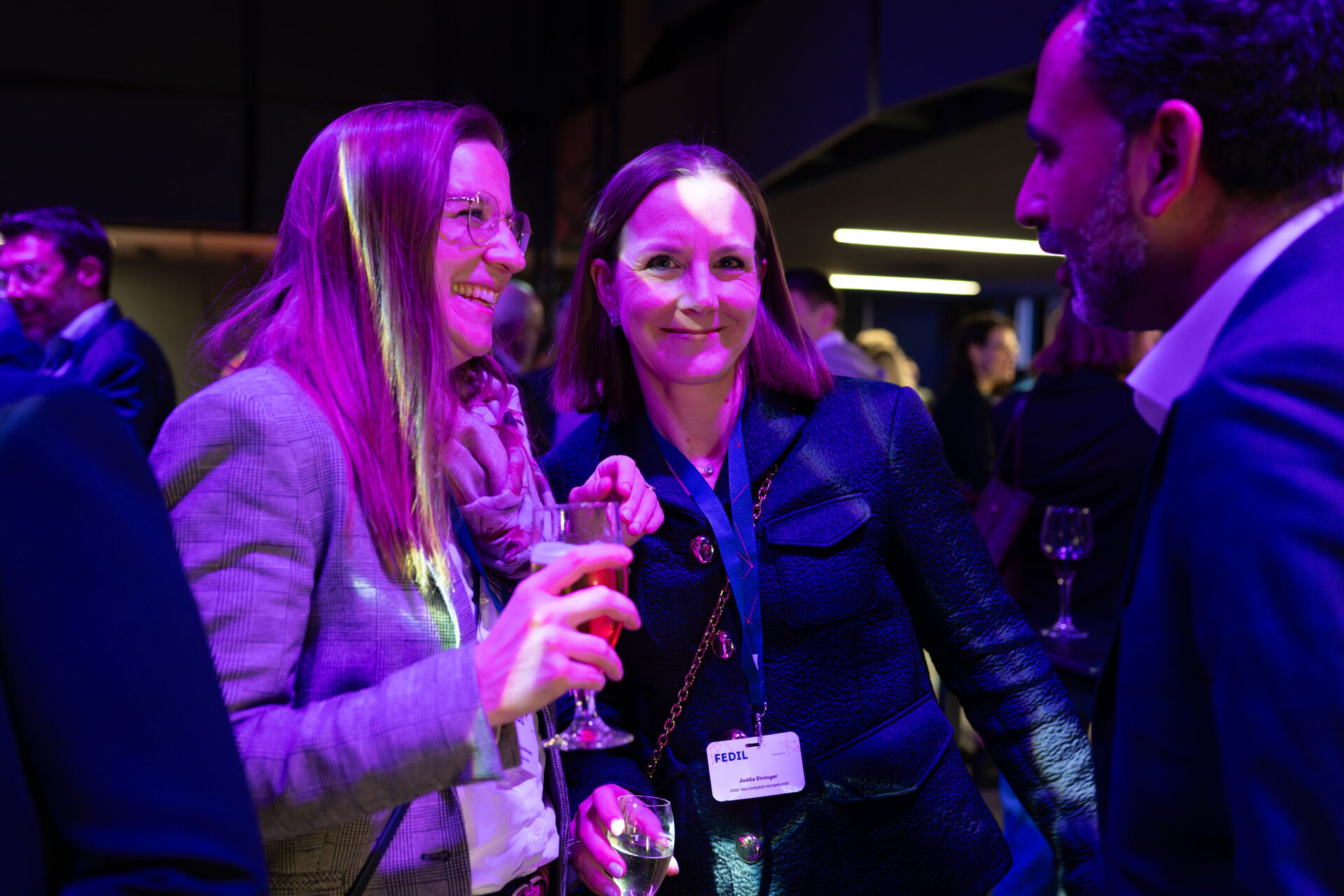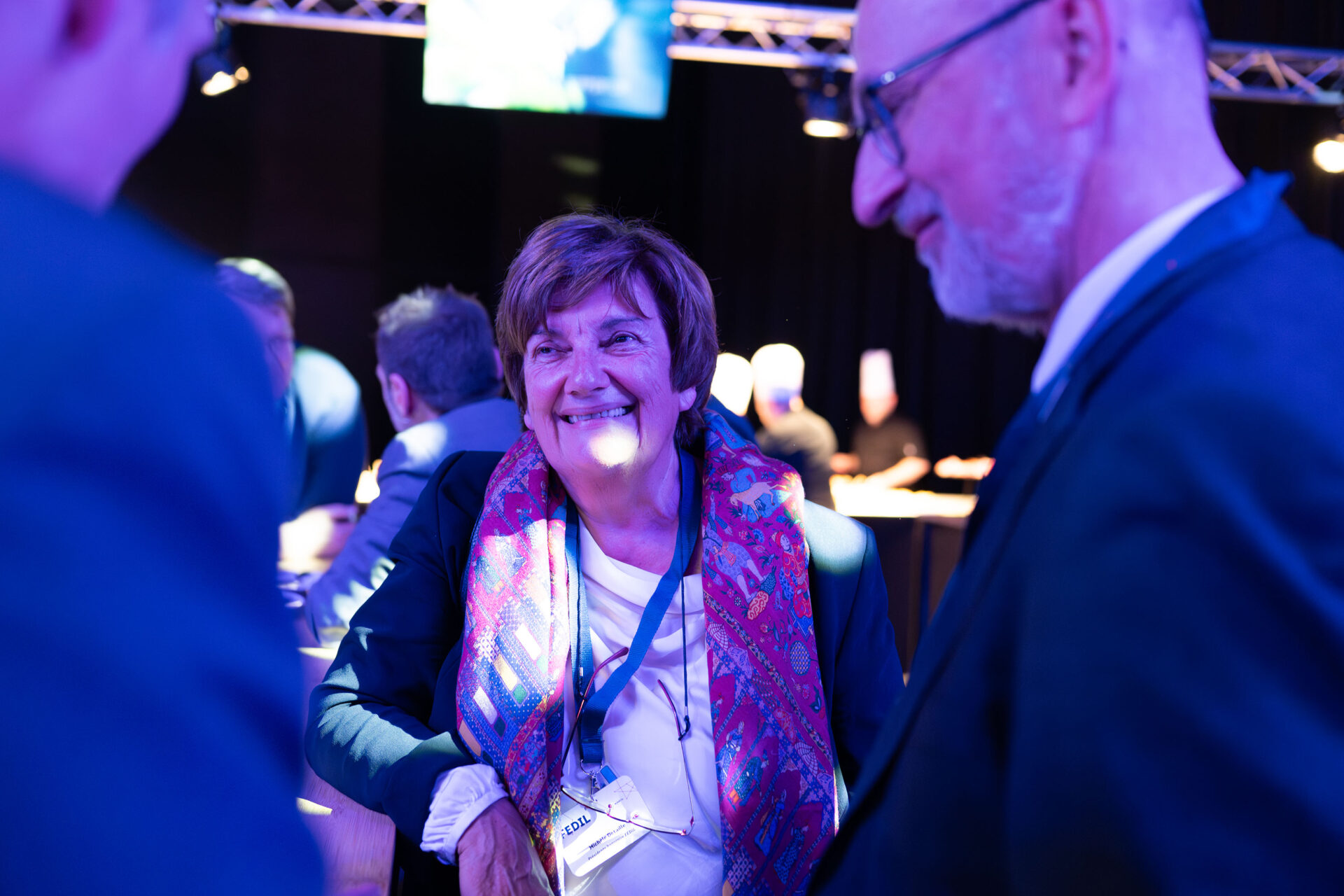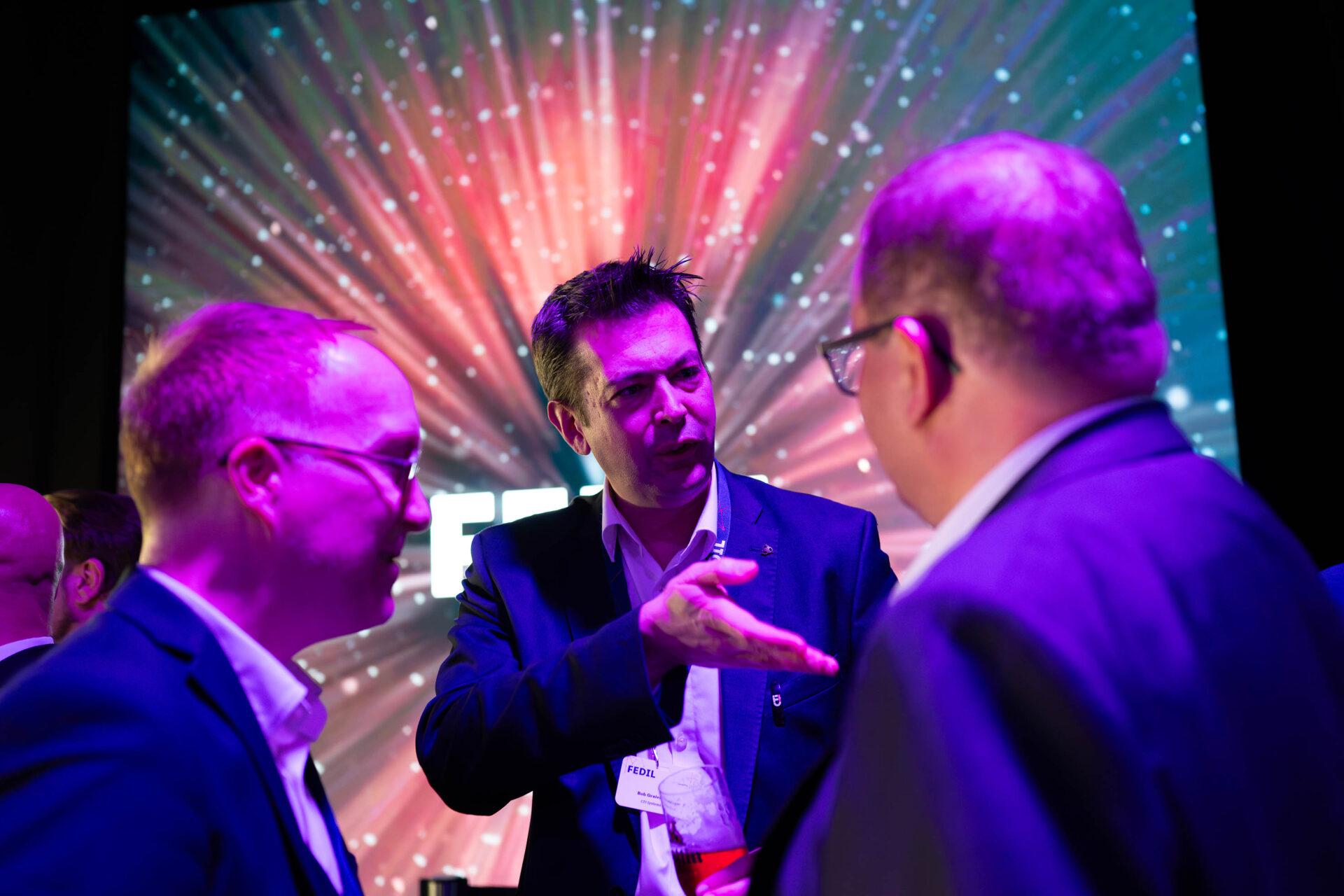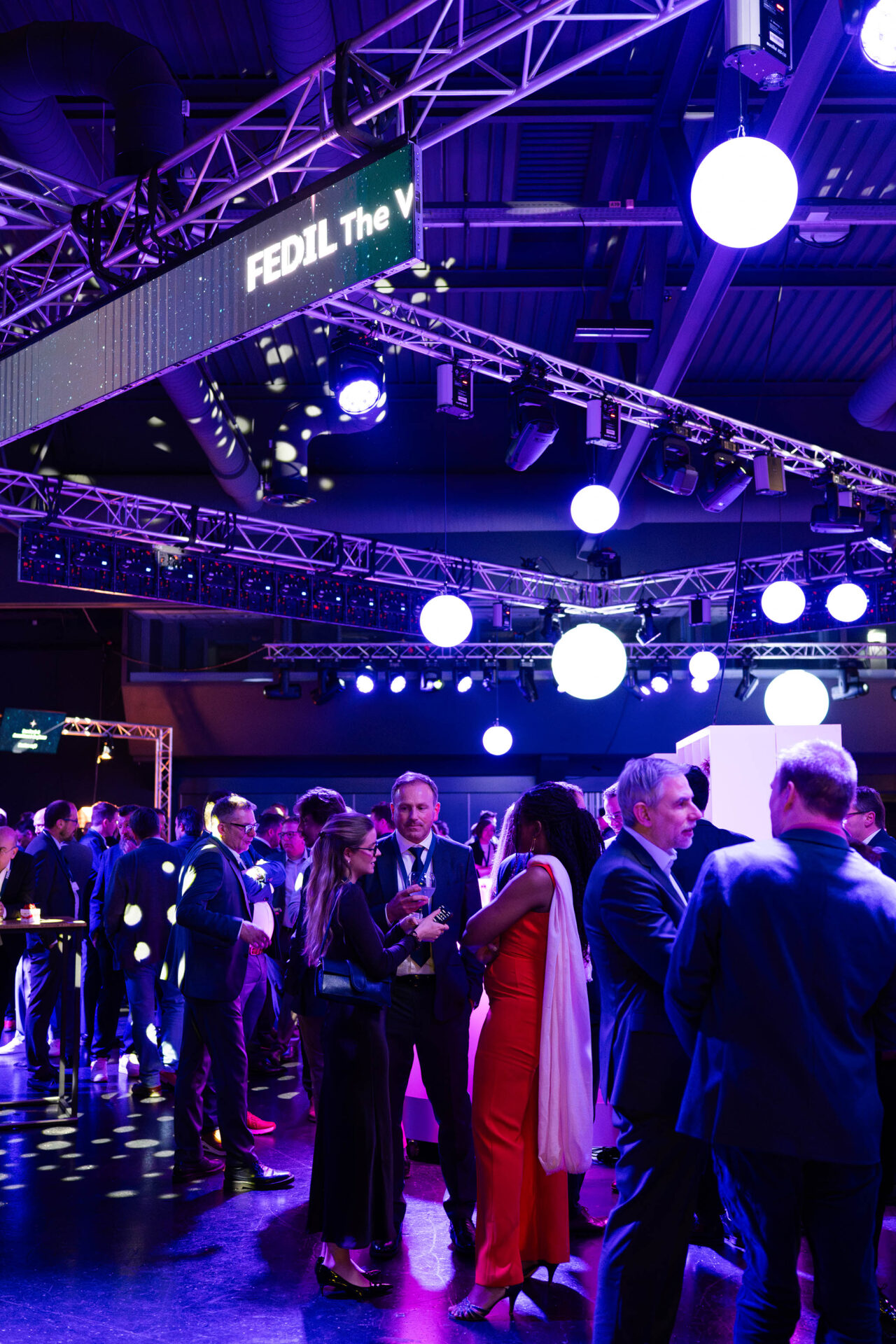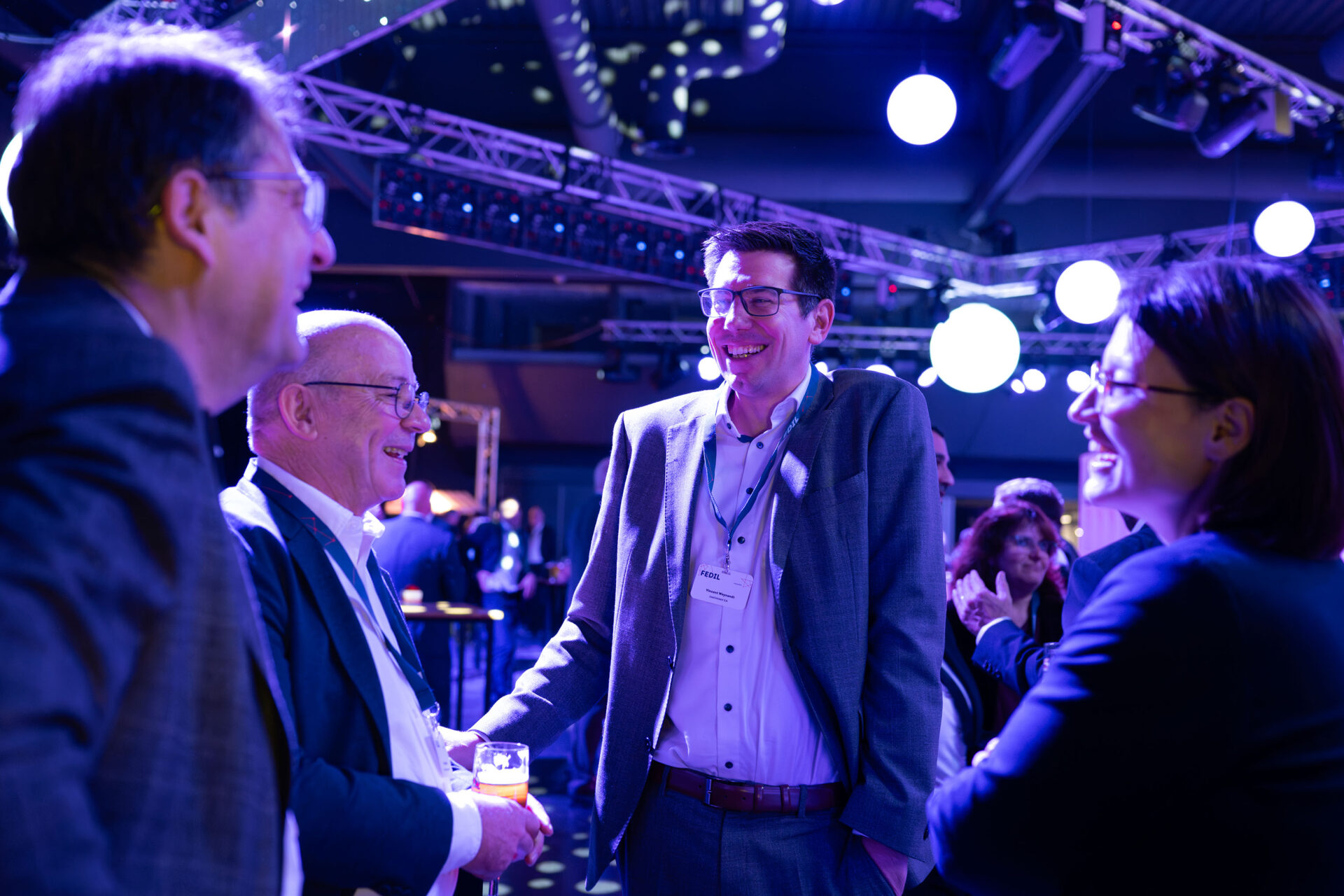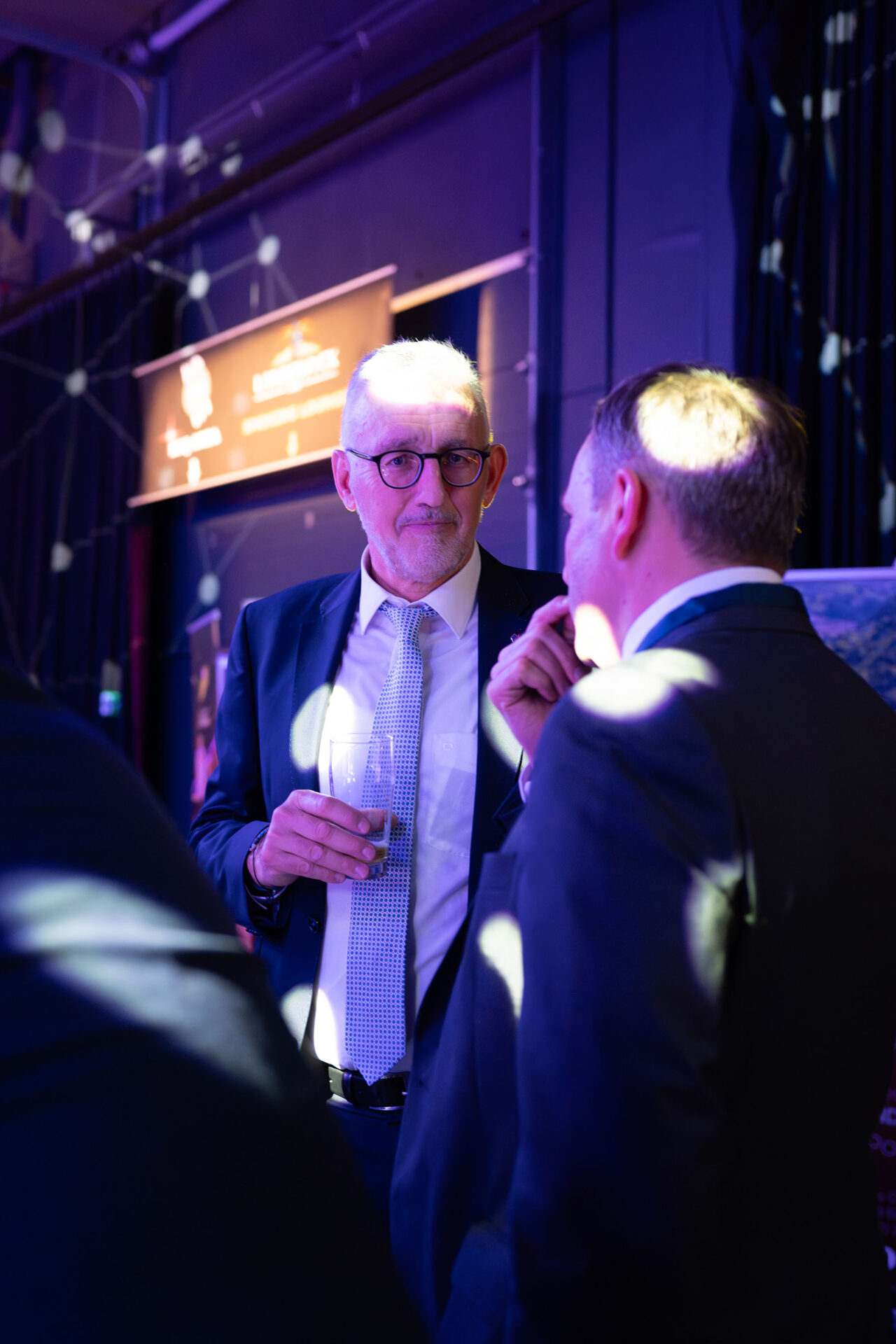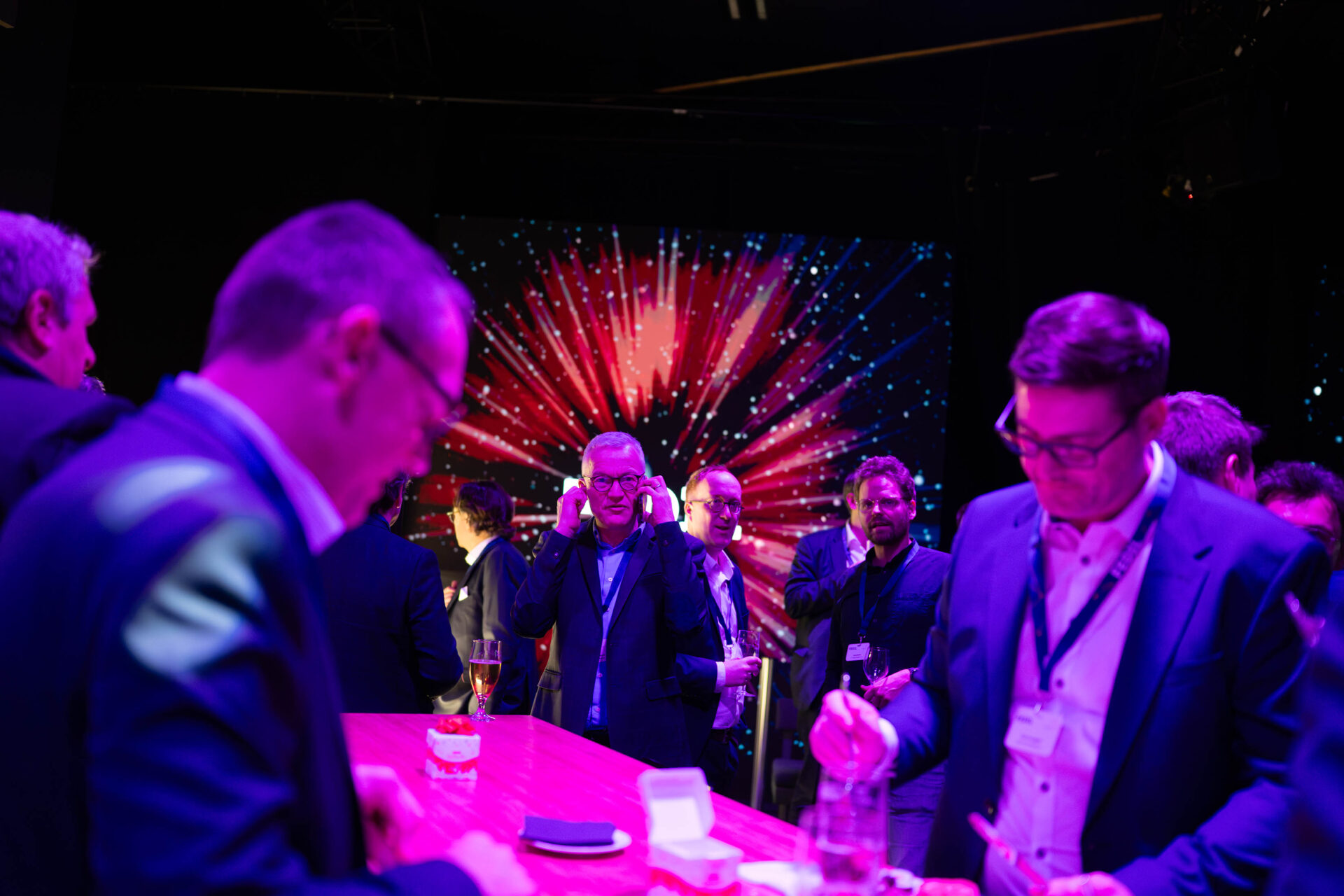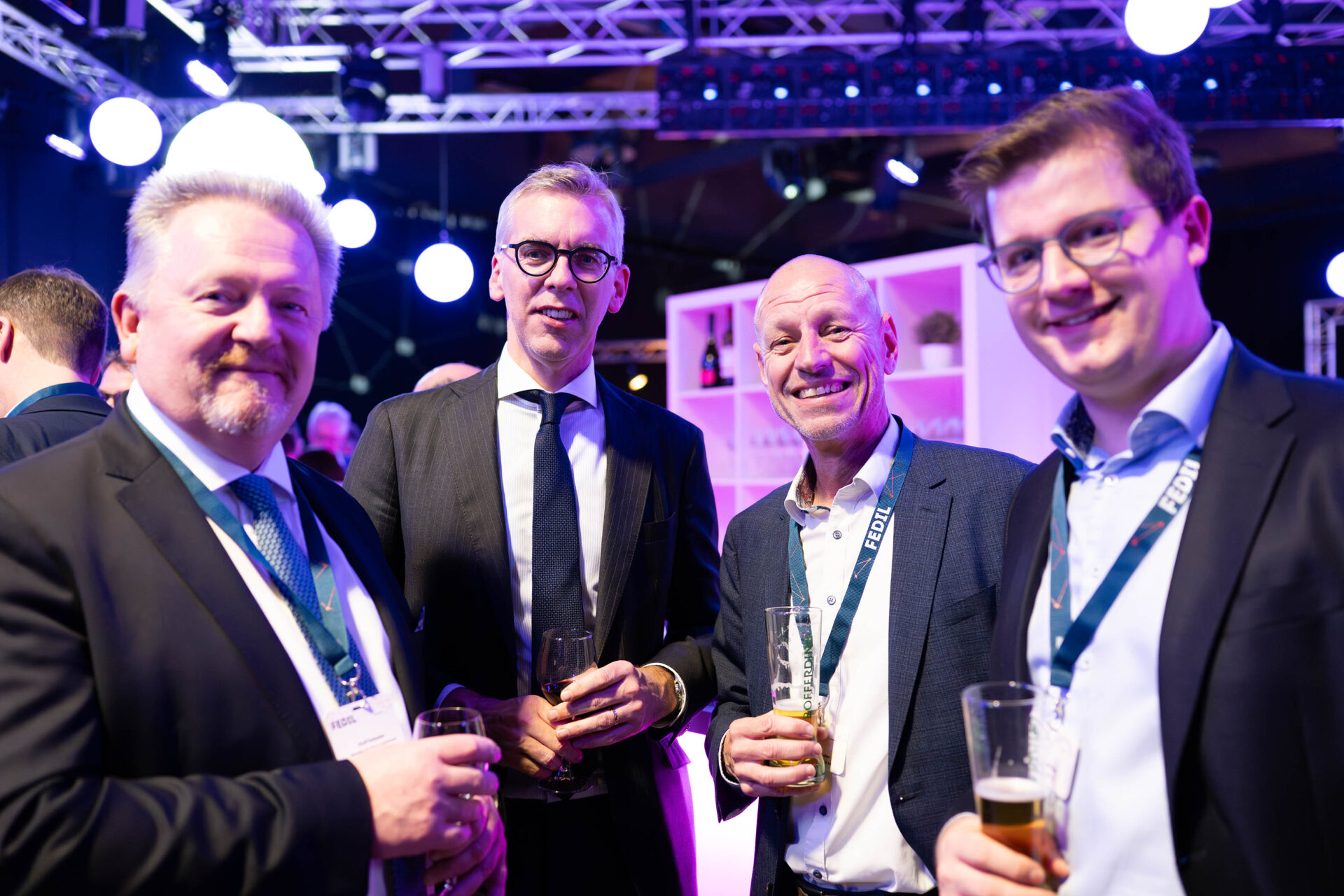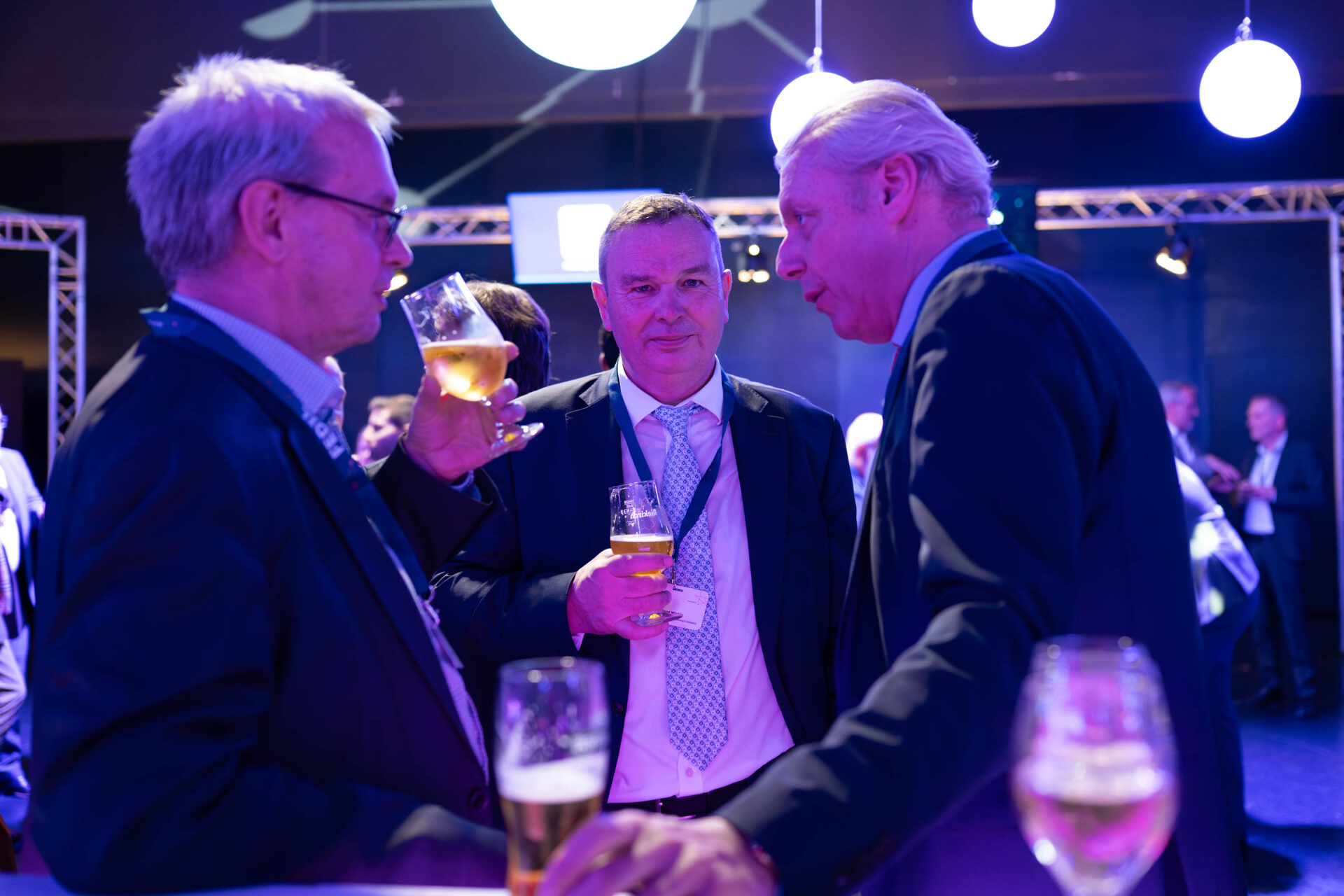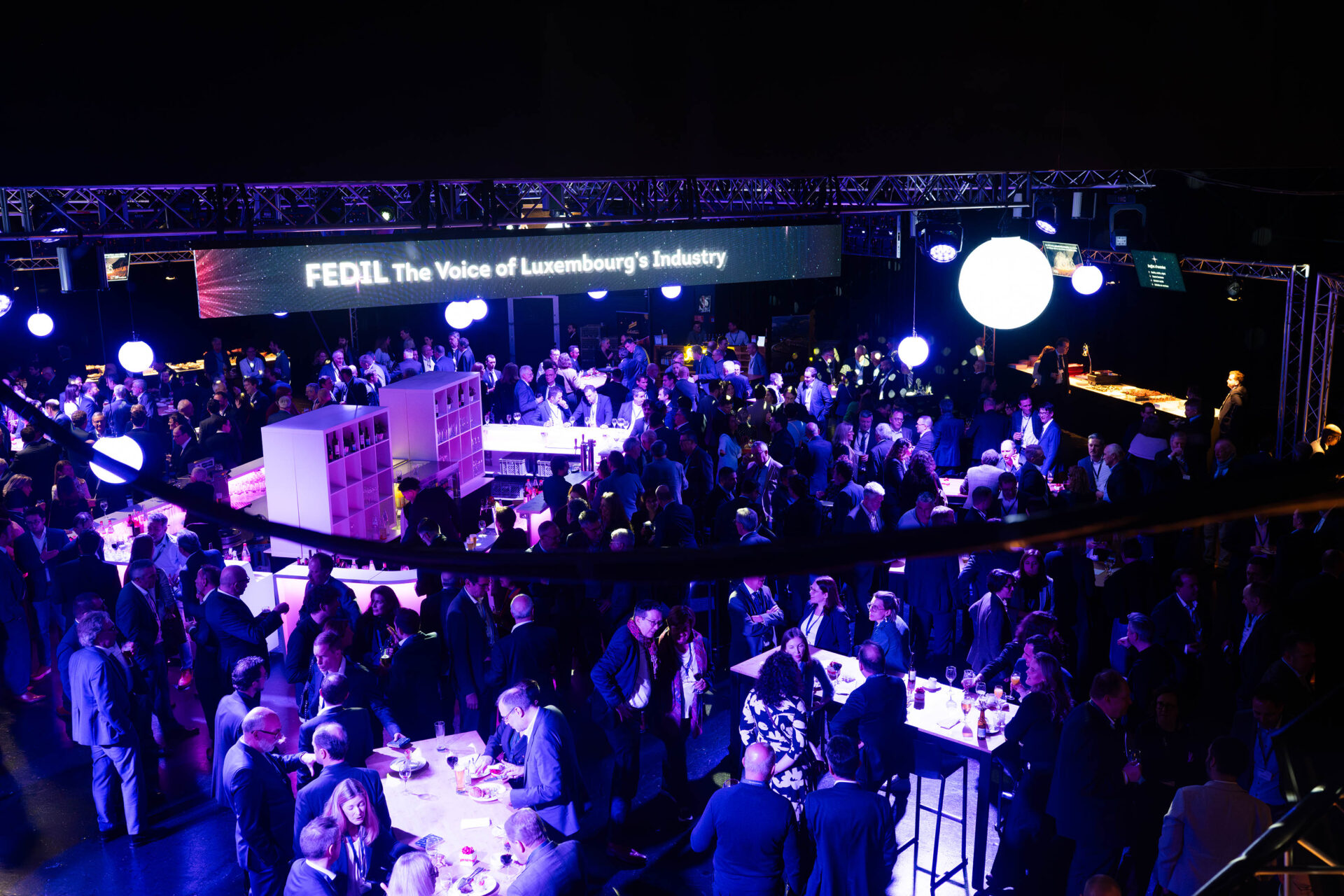
FEDIL was delighted to welcome a large number of guests to its Réception du Nouvel An des Entreprises 2026 on 16 January at Luxexpo. The evening was marked by the attendance of Prime Minister Luc Frieden and his address, as well as a keynote speech by Adel Al-Saleh, CEO of SES, and the message from FEDIL chairman Georges Rassel.
2026 has been designated to become the ‚Year of Competitiveness‘, a vision not only championed by Prime Minister Frieden, but also echoed throughout the event.
The collective ambition is clear: to achieve this, we must take bold steps to reduce excessive regulation, accelerate digitalisation and the adoption of artificial intelligence, encourage innovation, address housing issues and restore constructive social dialogue.
These priorities were encapsulated in Adel Al-Saleh’s brilliant keynote speech “Space as a Driver for Continued Growth – Transforming the Industry for Bigger Impact and Value Creation”. His insights highlighted how harnessing new frontiers can propel industries forward and generate meaningful value.
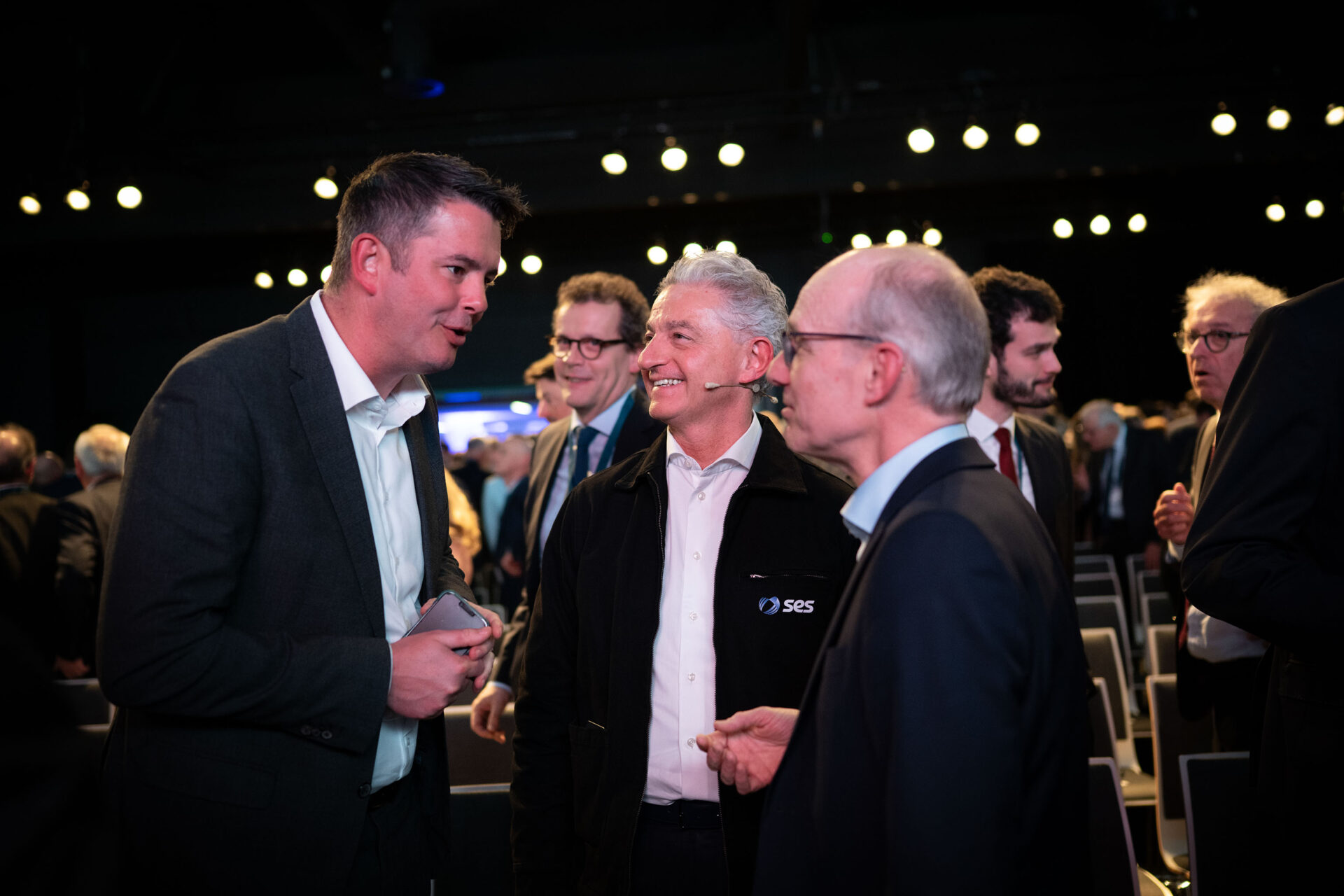
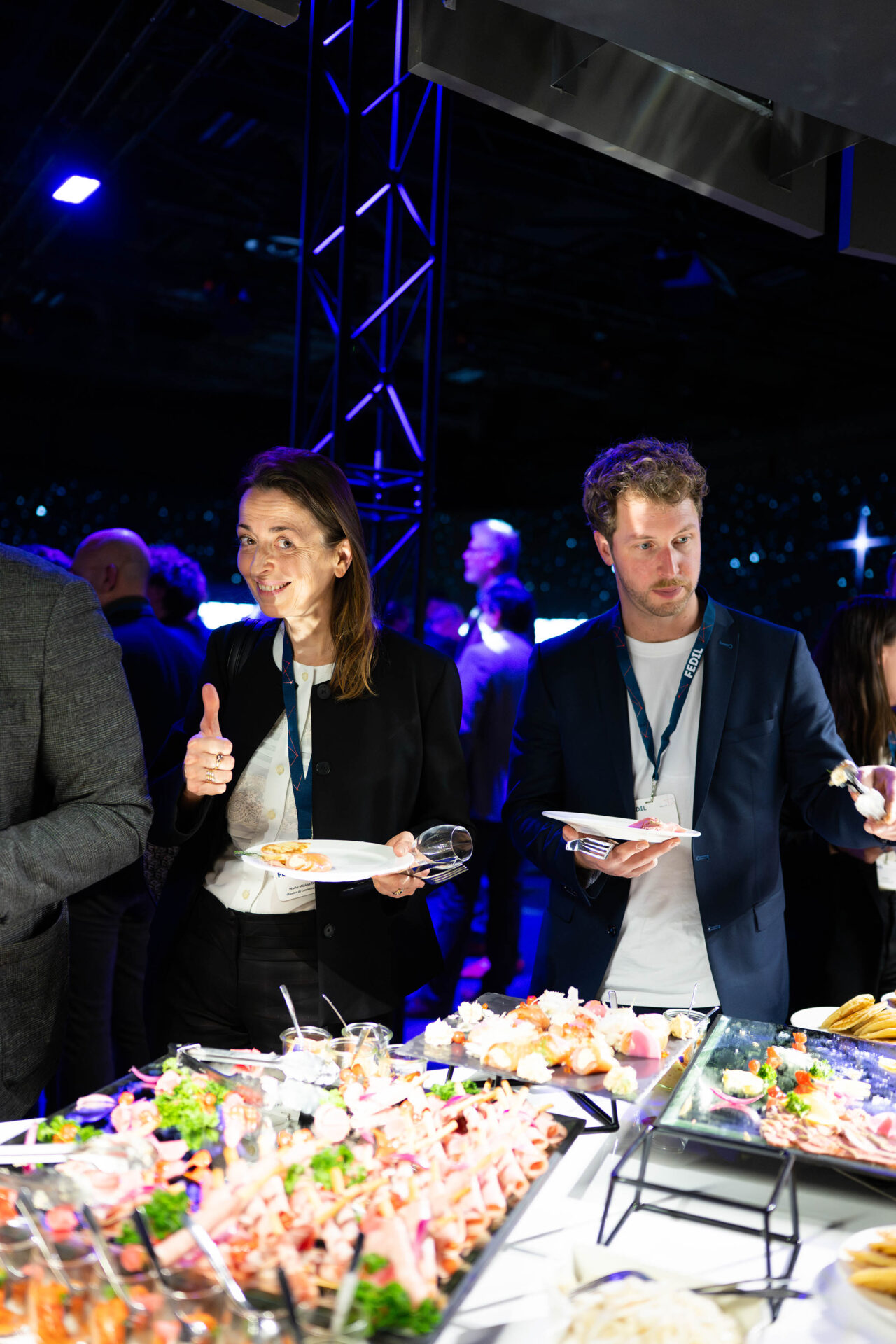
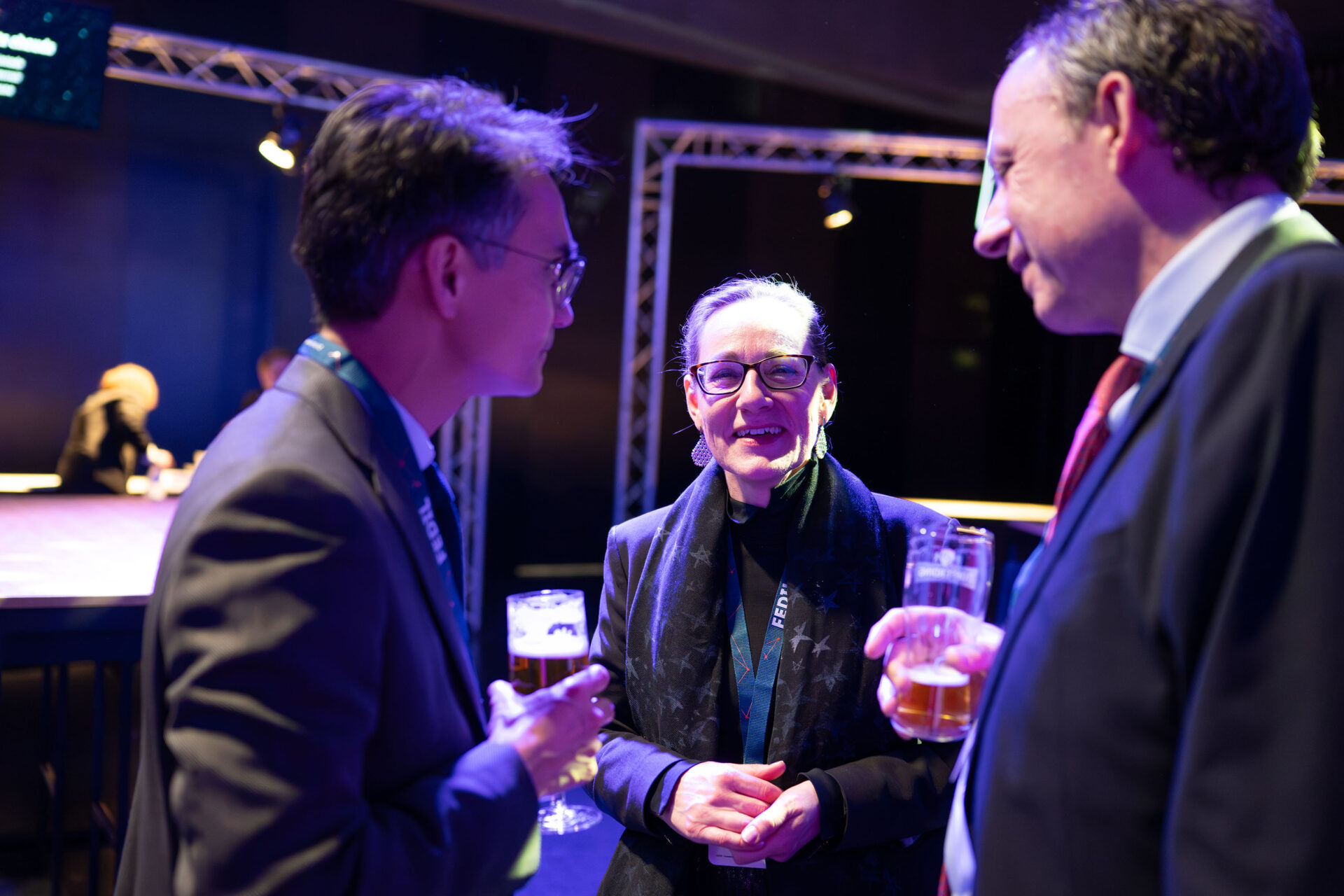
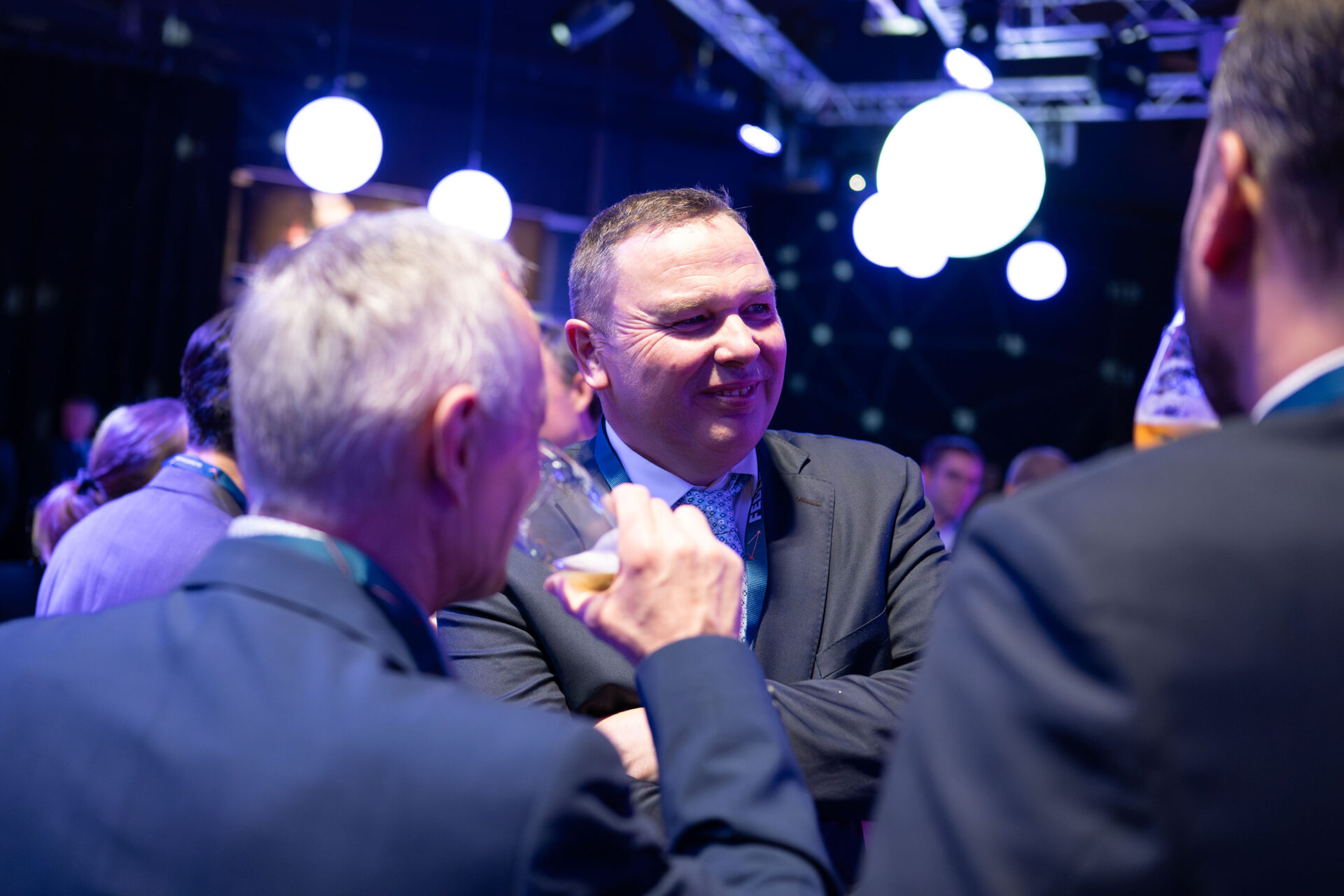
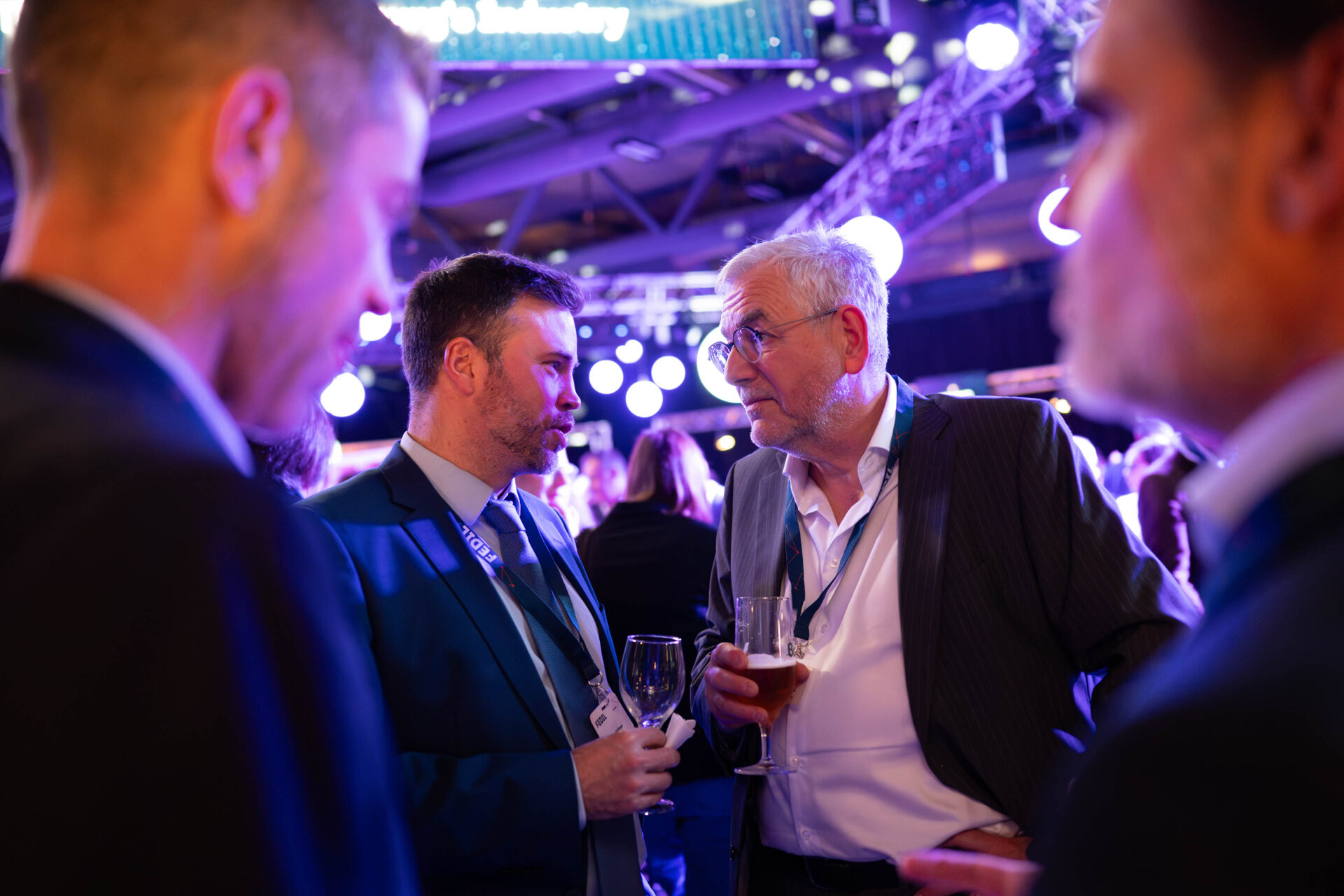
In keeping with tradition, a great deal of time was devoted to networking, which was much appreciated by all!
FEDIL would like to extend its warmest thanks to the sponsors who contributed so much to the success of our New Year’s Reception: BGL BNP Paribas – Groupe Foyer – LuxConnect – Office du Ducroire Luxembourg – Société Nationale de Crédit et d’Investissement – Landewyck – Amazon – Losch Luxembourg – LuxAirport – Bexeb – Ferrero – Luxexpo the Box – Codex – Imprimerie Centrale.
Address by Georges Rassel at the New Year's Reception 2026
Mr President of the Chamber of Deputies,
Mr Prime Minister,
Members of the Government,
Members of Parliament,
Members of the European Parliament,
Madam Mayor of the City of Luxembourg,
Excellencies,
Esteemed members of FEDIL, dear guests,
Welcome to FEDIL’s New Year Reception. I am glad to see so many guests tonight at our traditional event. I hope you will have a very pleasant evening here with us.
A special welcome to Prime Minister Luc Frieden, who has once again taken the time to be here this year. We look forward to his address to the business community present and hope for insights into national, European, and international issues that concern us, as well as an outlook on the challenges the government intends to tackle.
Another special welcome to Adel Al-Saleh, CEO of SES – the former Luxembourg start-up that has become a global satellite powerhouse after the acquisition of Intelsat last year. Furthermore, SES has also announced investments in manufacturing here in Luxembourg, a decision well noticed here at FEDIL. We are eagerly awaiting Adel’s keynote speech on “Space Innovation as the Foundation for Continued Growth.”
Ladies and gentlemen,
As every year, this occasion serves as an excellent opportunity to celebrate our achievements, reflect on areas where we can improve, and consider the challenges and opportunities ahead.
Over the past year, we have navigated an evolving international framework, particularly regarding trade policy and political initiatives that impact our supply chains. At FEDIL, we have strengthened our team around international relations and trade policy, enhancing our ability to represent and inform our members. One highlight in this area was our successful FEDIL Industry Day in September, which brought these issues to the forefront.
The drive towards technological transformation, propelled by digitization and notably artificial intelligence, opens the door to huge opportunities, but it also raises new questions in areas such as HR or cybersecurity. Our members have expressed a clear need for greater knowledge and access to shared references and experiences. In response, FEDIL has provided valued platforms such as the Digital and Innovation meet-ups and the FEDIL AI Forum that are widely used by our members. As regards the legislative tech agenda, we have worked on numerous legislative initiatives designed to guide digital transformation. Presently, we are focusing on omnibus proposals intended to address and correct instances where rules and reporting obligations have been excessive.
This brings me to one of our flagship files in 2025: the EU Commission’s omnibus 1 package, aimed at simplifying and aligning recent EU-legislation in the area of sustainability, such as the Corporate Sustainability Reporting Directive or the Corporate Sustainability Due Diligence Directive. FEDIL has devoted significant effort to supporting a harmonized set of European rules. First feedback from major international trading partners highlighted that Europe can no longer impose all its regulations on them. Accordingly, we underlined that our companies should neither be exposed to unmanageable risks nor to unjustifiable legal uncertainties. We are pleased to note that substantial improvements have been made to the initial legislative texts. A hard-fought but necessary accomplishment.
On the energy front, while market developments have led to slight relaxation, the cost gap with our global competitors remains substantial. Nevertheless, we have made notable progress at the national level, strengthening our dialogue and cooperation with the relevant ministry. At the close of last year, a unanimous parliamentary vote approved financial intervention in the electricity grid. This illustrates the political will to use national leeway to ease the burden on energy consumers. Our members but surely also all private consumers appreciate this step. We have also advanced discussions towards a fairer approach to Emissions Trading System costs, although further work remains. We are all aware that achieving the country’s industrial, digital, and climate ambitions largely depends on the availability of sufficient quantities of affordable, low-carbon electricity. And it’s no secret either that the question of energy cost competitiveness remains critical for our companies exposed to international competition. FEDIL is keen to go on working with relevant parties to further reduce the energy bills of our businesses in the context of energy transition.
We are encouraged by recent successes in attracting additional industrial investments. Although this remains challenging, we firmly believe that robust framework conditions and rapid, pragmatic responses are key to continued progress.
Defense has emerged as a new driver. We are glad to see that the government is supportive of new promising initiatives in that area. More generally, industrial innovation – particularly achieving shorter times to market and offering quick, plug-and-play solutions – is being constructively addressed within the Haut Comité pour l’Industrie.
Dear guests, these are some major achievements I wanted to highlight, and that have contributed to our progress in 2025. Let me move over to an ongoing issue of the utmost importance to many companies:
Last year, we discussed the problem of overregulation with our keynote speaker Mrs. Roberta Metsola and we made a call for a “regulatory holiday.” Simplification is not an answer to everything. Bad legislation remains bad legislation and simplifying it does not resolve its fundamental flaws. Hence, poor laws should be abandoned altogether.
Here we must enter an “erase and rewind” scenario. “Erase and rewind”, not only a well-known song by the Cardigans but also a good recipe for politicians who want to lead Europe out of some regulatory dead ends. Some policymakers may feel that they recently managed to reverse the trend of overregulation and rising costs, compared to a baseline situation that was frankly untenable. And it’s true, some regulations have been made more digest. However, businesses will only be concretely confronted with these texts in the coming months and years. As a matter of fact, new directives or regulations – including CSDDD, CSRD, deforestation, pay transparency, to quote only a few – are still to enter into force. Accordingly, and despite corrections regarding overregulation, 2026 and 2027 will still bring exceptional burdens to our companies. Therefore, we must guard against complacency. Indeed, we haven’t gotten any further than the first few rows of trees in thinning the forest.
A next row is about to be addressed by the digital omnibus which is aiming at simplifying the digital regulatory landscape. Europe is at risk of missing the digital train of the 21st century. “Stop the clock” initiatives and a little cosmetic correction will not do the trick.
Ladies and gentlemen,
The time where Europe must simply think digital is over. Europe must build digital. It must do so massively and quickly, while continuing to cooperate with its partners abroad. But first and foremost, Europe must stop over-regulating digital and hampering innovation in that area. The legislative process surrounding the digital omnibus is a big opportunity, but – if handled badly – it could turn out to be counterproductive in the end. Are we going to break the clock or are we going to fix the thing? That is the question for 2026, it seems to me.
Mrs von der Leyen’s vision for Europe to have a leading role in tech industry is much welcome. The ability to produce successful showcases, to outperform competitors and to assure a lasting technological, economic and social footprint, that’s what makes up a leading role. When it comes to the tech industry, leading policy makers should be ambitiously active indeed, rather than offended reactive.
FEDIL for its part, will continue to advocate in favor of an internationally minded digital landscape where real-world simplification and delivery are key. Not just words. And delivery is not limited to the regulatory part, but also to the infrastructural part. The EU must deliver. The Governments must deliver. And the private sector must deliver as well. We are confident the Luxembourg Government shares our views, and a number of initiatives taken in the last years show that it does indeed. Luxprovide and Meluxina are just two examples here, and we are looking forward to the continuation of our positive cooperation in 2026. Again, FEDIL likes concrete delivery, not so much high-level talk – except once a year, and that is today.
Prime Minister, dear guests,
Europe faces significant challenges. We must ask whether its decision-making processes are still fit for purpose in confronting them. Issues such as the never-ending Mercosur-story, the slow and insufficient implementation of Draghi and Letta’s widely accepted recommendations, disparities in the defense sector, and delayed responses to clear commercial or even security threats; these are all causes for concern. We need a commitment to not just recognize the challenges but actively work towards addressing them.
It is encouraging that Luxembourg is among the countries advocating for competitiveness and more ambition in completing the internal market and in simplification. Dear Luc, FEDIL wants to thank the government for its constructive and positive role in that endeavour.
Ladies and gentlemen,
There is considerable diversity in how the different EU Member States experience and address economic challenges and the costs associated with their social welfare systems. It is evident that some governments are struggling to cope, have become increasingly fragile and, as a result of deteriorating economic performances, are witnessing a rise in support for extreme parties. In addition, the global context is becoming more and more challenging. Sadly, if we extrapolate all those internal and geopolitical tendencies from recent years, it appears that the European Union’s most difficult test for achieving sustainable peace and welfare for all citizens on our continent, still lies ahead.
From a business point of view, competitiveness and investment must become top priorities again.
The largely acclaimed Draghi report leaves no doubt about that. But then it is rather alarming to read how, even now at highest political levels, some people are still convinced that what they believe are European « vertues » such as heavy regulation, strict climate targets or tight anti-merger rules would promote Europe’s competitiveness. « No, no, no » once said a former British Prime Minister in another context, but expressing the same disagreement, which I would also like to make clear here.
Don’t understand me wrong: I am not saying that the underlying political goals and some related rules are unnecessary, but they are far from improving our chances for economic success. Let me explain this using the example of climate neutrality in industry:
Here, the low hanging fruits have been reaped. Investments that are supposed to be made now expose energy-intensive European companies to higher operating costs. The carbon border adjustment mechanism has not been introduced because European industry has become more competitive! This tool, or other protective measures are welcomed by exposed industries, but let’s be clear: They increase prices on the European market for other industries and eventually for end consumers and, as they stand, they do not even tackle our weakened position on export markets. The fact is that Europe’s industrial investment climate and its industrial ambitions have been so weak in recent years that the potential opportunities of energy transition have barely been seized here. We all know who supplies our batteries, our solar panels and an increasing part of our wind turbines. We know who sits on the basic raw materials that feed the transition. Let’s take greater control of our industrial future in this sector. Huge amounts of public money are and will have to be mobilized in the coming years for Europe’s pioneering role in an area where we urgently need global action. It’s the price to pay if we want to avoid reaching our lower emission targets mainly through deindustrialization on our continent, with all the negative impact on our employment and social welfare system.
Prime Minister,
Your government is preparing to produce a social climate plan to address the potential effects of the CO2 costs introduced by ETS2. Fine, but I am sure you know that, at the end of the day, the social cost of an insufficiently reformed ETS1 or a failed energy transition at the European level is many times greater than what ETS2 could ever cause. We urge you to support rapid and sufficient reforms of existing European climate policy instruments affecting industry if we want to avoid climate social plans of another kind.
Ladies and gentlemen,
I cannot touch upon the broader political context without mentioning tenser international relations, open conflicts in which rules and conventions mean little and the power of the stronger increasingly prevails. This regrettable new approach is also affecting international trade relations. When these relations are weaponized in a global power game, Europe finds itself in an uncomfortable position as it comprises some important Member States that rely on exports and want to remain open, while others plead in favor of more protectionist measures. The recent trade deal that has been struck with the US, is far from being perfect and certainly needs additional adjustments on products such as steel and aluminium, but business in general prefers it to a vacuum situation, where unpredictable decisions can deteriorate the tariff framework at any time.
Openness is one of FEDIL’s values and it is also part of our nation branding. These days we are invited to position ourselves on questions such as European preference and industrial or digital sovereignty. Ideally, both would be the outcome of a convincing and affordable, thus competitive European offer, rather than imposed choices. But there might be cases where Europe has an interest in prioritizing local content anyhow. FEDIL will take position on these issues by weighing new security and sovereignty needs and opportunities with possible economic constraints and with the strong desire to continue cooperation with our foreign partners some of which proudly call Luxembourg their home or base for Europe.
In the long run, our common approach should focus on building up strengths rather than covering up weaknesses. Corrective measures and the building up of a stronger Europe presuppose that its decision-takers acknowledge existing problems and undesirable developments at EU level and in the different Member States as far as these problems and developments affect the Union’s chances of success.
Leadership, unity and speed is what must be built up rapidly if we want to face the upcoming decades under the blue flag with yellow stars, each star representing a member State supportive of the European project and its competitiveness agenda. This means that performing national reforms will be necessary to keep it on board. To keep it on board of a journey through turbulent times. A promising journey if we roll up our sleeves and stick together.
Prime Minister, ladies and gentlemen,
Turning to Luxembourg, I am sure you all agree with me that the financial aspects of the social security system as well as social dialogue remain crucial topics.
Parliamentary debates and worries, increasingly stronger, expressed by young people indicate that the outcome of the social roundtables on pensions falls short of expectations. Prime Minister, you have managed to introduce the principle of working longer, although cautiously. In Germany, discussions are centered around the unaffordability of retirement at the average age of 64,5 and we would be fortunate to move closer to 61 or 62 over the next five years, provided newly introduced incentives will prove to be effective.
We all recognize that the measures now adopted in December have only gained very limited time before another deficit emerges. We hope that all political parties will clarify their positions ahead of the next election, enabling a well-founded decision by a new majority. Consultation with interested parties is welcome, but the ultimate decision must be made and upheld by the next ruling coalition, considering financial means, social equity and economic attractiveness. We trust that politicians have learnt the lessons. A repeat of the “summer 2025” approach would likely prove unconstructive, inconclusive, politically damaging, and harmful to social dialogue in the country.
I believe we can agree, far beyond the corporate world, that the recent statements of trade union leaders have been somewhat exaggerated. The class conflict presented by unions does not reflect our social reality. For our companies, the workforce is a vital asset. How can anyone believe that the employers in this room treat their employees in the manner union leaders have recently suggested in their pamphlets or in their speeches? It has certainly been contrary to the image we all wish to project, including in the interests of working people.
All sides must return to a respectful and constructive social dialogue if we are to revive the virtues of the Luxembourg social model. This requires facing reality and identifying intelligent, sustainable long-term solutions to uncomfortable problems, ideally implementing them jointly. In doing so, we will relieve political decision-makers of a significant burden, and we will all contribute to the stability and performance that have defined our country over the last decades and that distinguish us from neighboring countries. Because stability will be essential if Luxembourg is to make the most of its opportunities.
If we want to maintain even a remotely similar level of today’s social benefits in this country, then we must build upon our assets and values to reach sufficient growth as quickly as possible. Today’s macroeconomic figures and forecasts show that additional stimulus is required. In this respect, the weakening, or should I say toxic, situation in the housing sector must continue to be addressed as a priority. The future economic potential of the country and its social cohesion are at stake.
An economic upturn, the return to a constructive dialogue regarding the national challenges ahead and corrective action on the key European issues mentioned earlier will restore the confidence of our entrepreneurs.In that spirit, I wish everyone present a good, successful and above all a healthy New Year 2026.
Thank you,
Georges Rassel
Photos